Here’s why NFFTY is an amazing film festival for new talent
NFFTY still feels like the place where the next big voice in cinema can sneak up on you in a dark theater and change the conversation before the rest of the industry catches on. The festival has always traded in that particular kind of discovery, and its move into a deeper partnership with SIFF has only widened the runway without sanding down the edges that made it essential in the first place.
Founders Jesse Harris, Kyle Seago, and Jocelyn R.C. started the whole thing in 2007 because nobody else was giving serious space to filmmakers under 25 who were already working at a professional level. The mission has stayed consistent: give those voices a platform, connect them with people who can help move their careers forward, and treat short films like the vital medium they are rather than a stepping stone.
Organizational Evolution and SIFF Partnership
After nearly two decades operating as an independent nonprofit, NFFTY shifted under the SIFF umbrella in 2025. The move expanded resources and visibility while keeping the festival’s programming team and curatorial voice intact. Organizers have described the arrangement as a way to scale the operation without losing the scrappy, filmmaker-first ethos that defined its early years. Seattle audiences now see NFFTY screenings slotted into the larger SIFF calendar, yet the event still runs on its own timeline and identity.

Notable Alumni Success Stories
The festival’s track record of spotting talent early keeps compounding. Period. End of Sentence. premiered at NFFTY before its Oscar win, and recent editions have surfaced work from filmmakers who later broke through at Sundance and beyond. Sean Wang’s early shorts screened here before Dìdi put him on the map. Programmers point out that many alumni return as jurors or mentors, closing a loop that keeps the community tight even as individual careers accelerate.
Current Edition Highlights and Scale
The 2026 edition screened more than 235 short films from 41 countries and 30 U.S. states across the March 26–29 run. Programming stayed split between in-person Seattle venues and virtual access options, allowing remote audiences to catch premieres without travel. Attendance numbers reflected both local regulars and a growing international contingent drawn by the festival’s reputation for strong curation over red-carpet flash.
Submission Process and Accessibility Initiatives
Submissions continue exclusively through FilmFreeway, with early-bird deadlines already posted for the 2027 cycle. To lower barriers, NFFTY offers 50 percent entry-fee discounts for Black, Indigenous, MENA, and Latinx directors as well as filmmakers with disabilities. The festival also maintains separate jury tracks for student and non-student work, keeping the focus on age rather than academic status.
Leadership has shifted since the 2019 interviews that once anchored coverage. Dan Hudson moved on after his tenure as managing director, later taking the executive director role at Images Cinema. Ryan Saunders now holds the managing director position and continues the emphasis on professional development that Hudson helped expand. Workshops, masterclasses, and industry conversations remain core to the schedule, with recent sessions covering virtual production pipelines and distribution strategies for short-form work.
Diversity metrics have evolved past the 2019 benchmarks. Recent years have seen non-white filmmakers exceed 50 percent of the slate, with sustained attention to women, BIPOC, and LGBTQIA+ directors across every category. The festival’s age cap of 24 at time of production still sets it apart from strictly student-focused events, allowing emerging professionals a place to show work without enrollment requirements.
Year-round programming has settled into a steady rhythm of Film of the Week releases, podcast episodes, and alumni spotlights that keep the conversation going between annual editions. Virtual access to select titles and recorded panels has become standard, extending the reach beyond the physical weekend in Seattle. The nonprofit structure stays the same—supported by tax-deductible donations year-round through the organization’s site.
Be sure to follow us on Facebook, Twitter, and Instagra to keep up with the latest announcements. We exclusively accept submissions via FilmFreeway, where we have been honored four years running as a Top 100 Best Rated festival. These both drop weekly on our social media platforms, website, email newsletter, and all major podcast platforms. There is a huge archive available from our 2018 and previous editions you can check out on the podcast here.
Filmmakers who have passed through NFFTY often cite the same advice that surfaced in earlier conversations: make the story only you can tell, resist the urge to chase trends, and treat the short form as a complete work rather than a demo reel. That stance still feels current in an industry where attention spans are fragmented and platforms reward distinctive voices over safe bets.
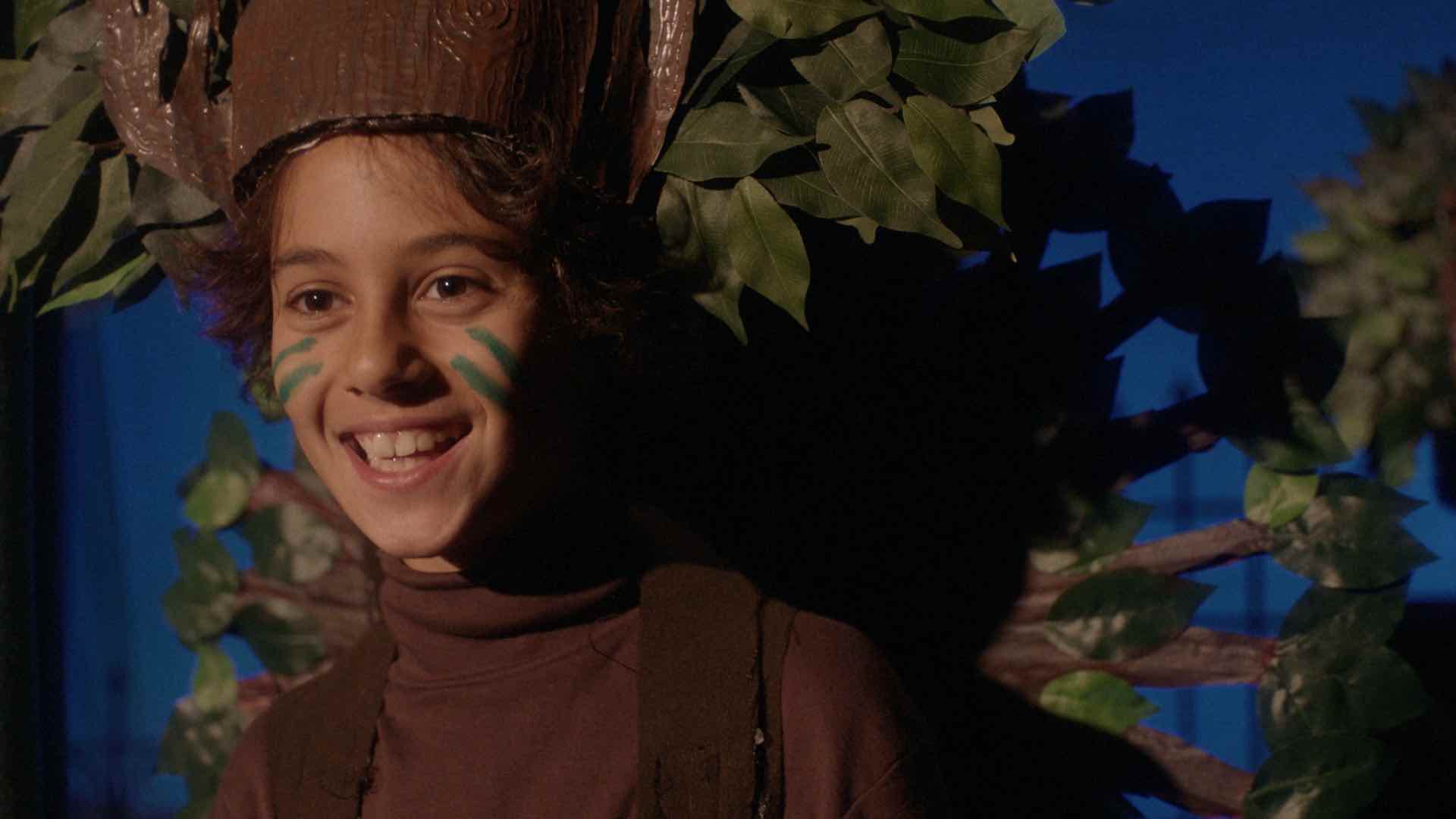
Hoo boy, don’t know if I can even answer this one. I tend to be a bit of a sap sometimes, going for the feel-good standbys. Tree #3 by Omer-Ben Shachar is in our opening night showcase, and is one of the films that makes me believe in both cinema as an art and cultural balm. The 20th anniversary edition is already on the calendar for April 2027, promising another round of discovery, mentorship, and the kind of late-night screenings where tomorrow’s headliners still feel like secrets. For anyone tracking the next wave of directors, the festival remains one of the clearest signals worth watching.