



TCA Awards: Are critics even relevant in our new times?
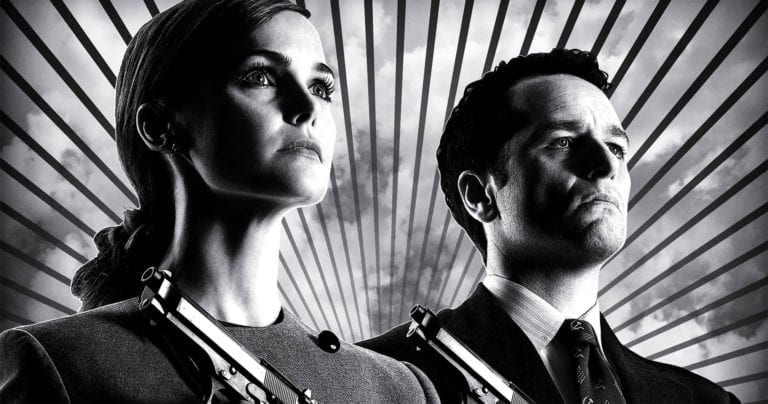
Another day, another awards ceremony. The 34th annual TCA Awards came and went last weekend, with writer and producer Robin Thede hosting the event which hands out engraved glass trophies instead of little gold statuettes in recognition of television’s crème de la crème. Snark aside, the TCA Awards have proven to be the anti-Emmys over the years, in that they at least award the shows that deserve it (no Jim Parsons of The Big Bang Theory fame taking home the Lead Comedy Actor award four years in a row here). This was reflected in the 2018 event, with FX’s The Americans winning big, taking home Outstanding Achievement in Drama, Program of the Year, and Individual Achievement in Drama for star Keri Russell. Elsewhere, The Good Place took home Outstanding Achievement in Comedy, Queer Eye nabbed a trophy for Outstanding Achievement in Reality, and Killing Eve won Outstanding New Program. As mentioned, the TCA Awards often reward the Emmys underdogs. “Having critics bang the drum for an underdog series is sometimes the push a show needs to succeed, or in some cases remain on air past its inaugural season,” noted Variety.
TCA Awards examples and context
Shōgun earned four wins in 2024 TCA Awards. The 2026 nominations led by Heated Rivalry, Industry, and Widow's Bay continue the pattern of spotlighting prestige work that might otherwise slip past broader industry radars. The Television Critics Association still functions as an early signal for programs that reward close attention rather than mass familiarity. That positioning has held steady even as streaming schedules and release patterns have grown more crowded. The awards keep their edge by staying smaller and more selective than the Emmys, which helps preserve their reputation for identifying shows that matter before wider audiences catch on.
The Rise of Algorithmic and Social Recommendations
Platforms like TikTok drive discovery for TV and film through short-form clips and trends. This adds to the collective, non-expert opinion ecosystem described in the original piece. Viewers scroll past 15-second scene excerpts or cast interviews and form impressions long before they encounter a full review or aggregator page. The speed of these recommendations compresses the window where traditional criticism might once have shaped early conversation. Studios and streamers now monitor social momentum as closely as they track critic scores, since algorithmic amplification can move a title into the cultural conversation faster than any single publication. The result is a noisier, faster-moving landscape where individual critical voices compete with clips, comments, and algorithmic playlists rather than just other print or online reviews.
Impact of Aggregator Scores on Renewal and Cancellation Decisions
High audience scores have been linked in industry commentary to sustained viewership. This builds on the Shadowhunters fandom example with broader industry patterns. Streaming services increasingly reference aggregated audience metrics when deciding show futures. A strong Rotten Tomatoes or IMDb audience number can signal to executives that a title still carries enough engagement to justify another season, even when linear ratings look modest. Conversely, middling or declining audience scores can accelerate cancellation conversations. The data feels concrete to finance and marketing teams who may not watch every show themselves. That reliance on collective viewer numbers extends the original point about underdog advocacy into a structural industry practice rather than a one-off campaign.
Shadowhunters audience score example
Current Rotten Tomatoes audience score averages 76% with higher marks for season 3 in reports. The show’s dedicated following has not disappeared since the original run ended, and the audience percentage still functions as a quick reference point for anyone checking its reception years later. The gap between that audience number and the critic score remains instructive. It shows how passionate viewers can keep a title alive in discussion even after official support ends. The example continues to illustrate the article’s larger point about how audience metrics now carry measurable weight in conversations about a show’s value and longevity.
Critic Consensus vs Audience Polarization in the Streaming Era
Analyses note audience scores often higher for blockbusters while critics are more selective. This amplifies the original discussion on reductive vs nuanced evaluation. The split has become more visible as streaming catalogs grow and release volumes increase. Audience scores tend to cluster around popular entertainment that delivers clear spectacle or emotional payoff. Critic scores more often reward structural ambition or tonal risk. The divergence creates parallel conversations: one measured by volume of viewers who finished a season, the other by a smaller group weighing craft and context. Both numbers now appear side by side on the same pages, making the contrast harder to ignore than it was when most people encountered reviews only in newspapers or magazines.
The Role of Professional Critics in an AI-Generated Review Landscape
Debates around reliability of aggregator data persist alongside new AI influences. This extends the relevance question into contemporary technological shifts. AI-generated summaries and review snippets are beginning to appear alongside human-written criticism on aggregator sites and recommendation engines. The tools can produce coherent surface-level takes quickly, yet they still lack the lived context and comparative knowledge that experienced critics bring to a new season or film. The presence of these synthetic opinions further crowds the space where individual critical voices once operated. Professional critics now compete not only with audience scores and social clips but also with algorithmically assembled text that mimics the form of analysis without the same accountability or depth.
Diversity in criticism reference
Monica Castillo and other critics continue to advocate on the topic. The 2018 study remains the primary cited benchmark while acknowledging the issue persists without major new quantification. The lack of broader demographic data makes it harder to measure whether accreditation and screening access have improved for critics from underrepresented backgrounds. The structural barriers noted in the original reporting still shape who gets invited to early viewings and whose perspectives reach wider audiences. That ongoing gap affects the range of lenses applied to new releases, from major studio films to smaller streaming originals. Without updated industry-wide numbers, the conversation stays anchored to the same core concern that appeared years earlier.
The original question still stands: Are critics even relevant in our new times? They remain essential for the detailed, comparative work that numbers alone cannot supply. Yet their influence now shares space with algorithmic feeds, audience tallies, and emerging AI summaries. The TCA Awards continue to highlight shows that reward sustained attention, and professional criticism still supplies the context that turns a score into an argument. The field has simply become one voice among several rather than the dominant one it once held.
