



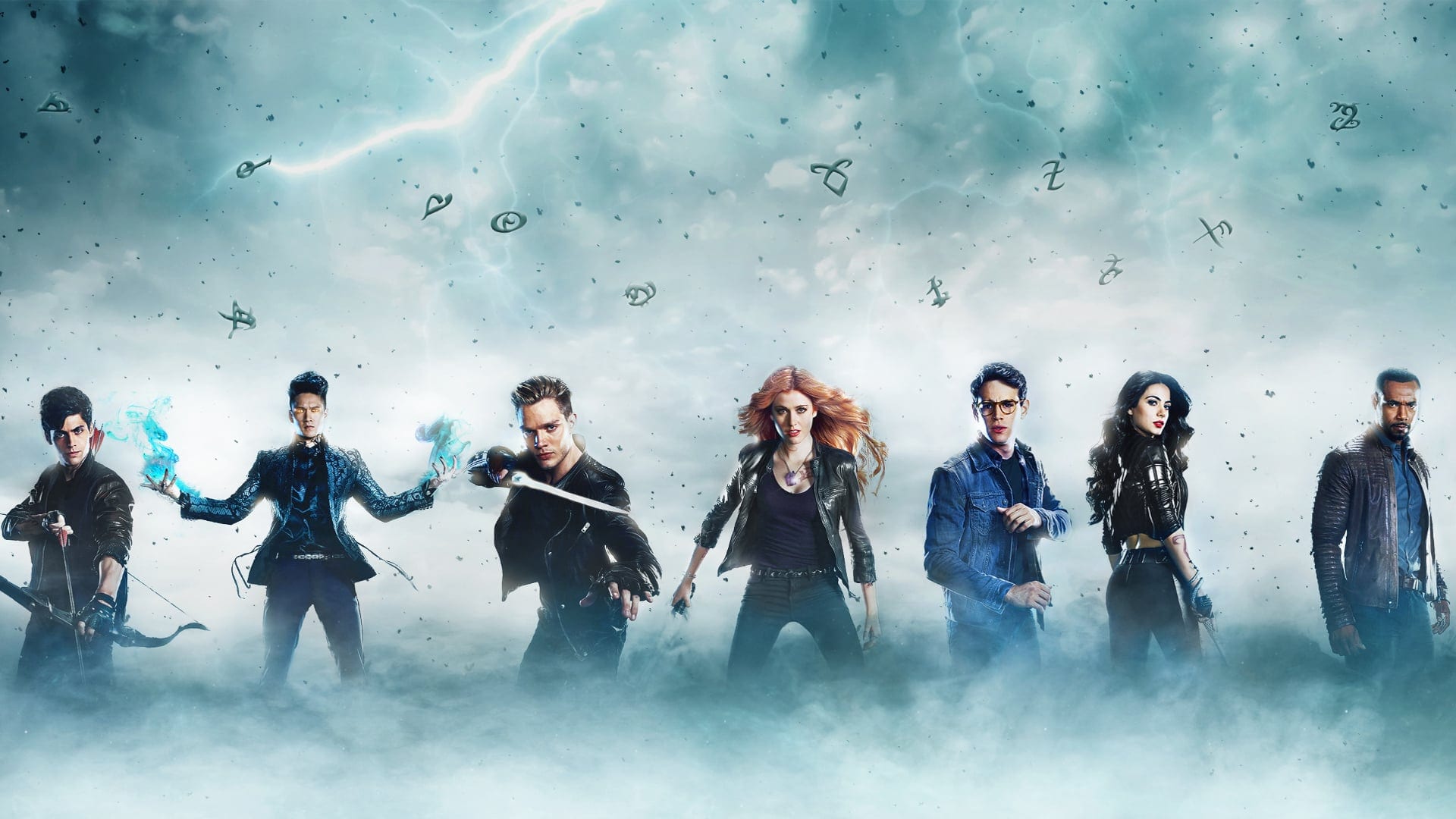
‘Shadowhunters’ is an LGBTQI love letter, so why has it been axed?
Shadowhunters carved out rare space for LGBTQI characters whose stories centered on love, identity, and survival rather than tragedy or token status. The series ended in 2019 after Freeform confirmed the cancellation in 2018, yet the conversation around its representation has only grown louder since.
The fandom responded with immediate, creative force. Supporters hired a branded pedicab at San Diego Comic-Con, flew a banner over Netflix headquarters, bought Times Square billboard space, and placed subway ads in Seoul. Those 2018 efforts signaled something larger: viewers were no longer passive consumers waiting for networks to decide a story’s worth.
Cancellation Context
Freeform announced the end after season three in June 2018, citing economic factors despite creative satisfaction from executives. The series finale aired on May 6, 2019, closing the adaptation after three seasons and ending the Netflix output deal with co-production partner Constantin Film. The decision locked the narrative at a point where multiple book arcs remained unadapted.
Fan Campaign Actions
Early actions at Comic-Con included the pedicab service blasting the theme song and actor Jack Yang riding in character as Asmodeus. Additional stunts ranged from aerial banners to print ads. Petitions launched during that period stayed active into 2025 and 2026, with renewed calls directed at Hulu and Constantin Film as streaming windows shifted.
Representation Impact on Viewers
Fans repeatedly described the series as a safe space that normalized LGBTQI relationships without reducing characters to stereotypes. Magnus Bane’s confidence as a bisexual warlock helped some viewers process internalized biphobia. Alec Lightwood’s coming-out arc offered a model of queer courage that resonated beyond the screen. Raphael’s asexuality, the sapphic relationship between Sam and Ollie, and Underhill’s quiet journey all expanded the range of identities shown with depth. The show earned praise for healthy, non-stereotyped roles across orientations rather than quick dramatic beats.
Behind-the-Camera Inclusivity
Episode 12 of season one, which featured Alec’s coming-out storyline, was written by openly gay producer Michael Reisz. Director Amanda Row, who is bisexual, spoke about the honor of telling those stories on camera. The production’s inclusive staffing aligned with GLAAD recognition for storytelling that treated queer characters as fully realized people rather than plot devices.
Awards and Recognition
Shadowhunters won the 2017 GLAAD Media Award for Outstanding Drama Series, driven largely by the Malec storyline. The series received additional nominations in 2018 and 2019. It also claimed the Bisexual Representation Award, underscoring the show’s commitment to nuanced portrayals rather than surface-level inclusion.
Streaming Renaissance and Renewed Popularity
All three seasons left Netflix globally on January 1, 2026. The titles then appeared on Apple TV’s purchase and rental charts, entering the Top 10 in both Canada and France. The post-exit surge demonstrated that the audience for these stories had not disappeared with the original broadcast run.
Barriers to Revival: Rights and Ownership
Cast members have cited ownership and rights complications as the primary obstacle to any return. Producers have described ongoing discussions as complex, with no clear path through the tangled agreements that currently stand between the property and new episodes. These structural hurdles differ from the simpler renewal conversations that surrounded other fan-driven rescues in 2018.
Evolution of Fandom Activism Post-Cancellation
The 2018 Comic-Con campaign has evolved into sustained digital organizing. A Change.org petition launched in 2025 gathered signatures from new viewers discovering the series through PVOD. Targeted outreach to Hulu and Constantin Film continued into 2026, focusing on unresolved book storylines rather than nostalgia alone.
Book Universe Expansion Beyond the Show
Cassandra Clare’s Shadowhunter Chronicles kept publishing after the series ended. The 2025 short-story collection Better in Black introduced fresh entries, while The Wicked Powers trilogy, beginning in 2026, continues arcs that fans hoped to see adapted. Aline’s romance, Malec’s future family, and other unfilmed threads remain available only on the page.
Cast Careers and Legacy Projects
Katherine McNamara moved into Walker and The Stand. Other cast members have taken on varied film and television roles, with occasional reunion appearances noted in 2024. These individual projects keep the performers visible while the original series remains a fixed chapter rather than an active production.
The show’s influence persists because it treated LGBTQI characters as people with histories, ambitions, and relationships that mattered. Viewers who found validation in those portrayals continue to track the property across platforms and petitions. The question now centers less on whether another season could happen and more on how the existing episodes continue to reach new audiences long after the finale aired.
