



How did BTS find its ARMY? The story behind their dedicated fan base
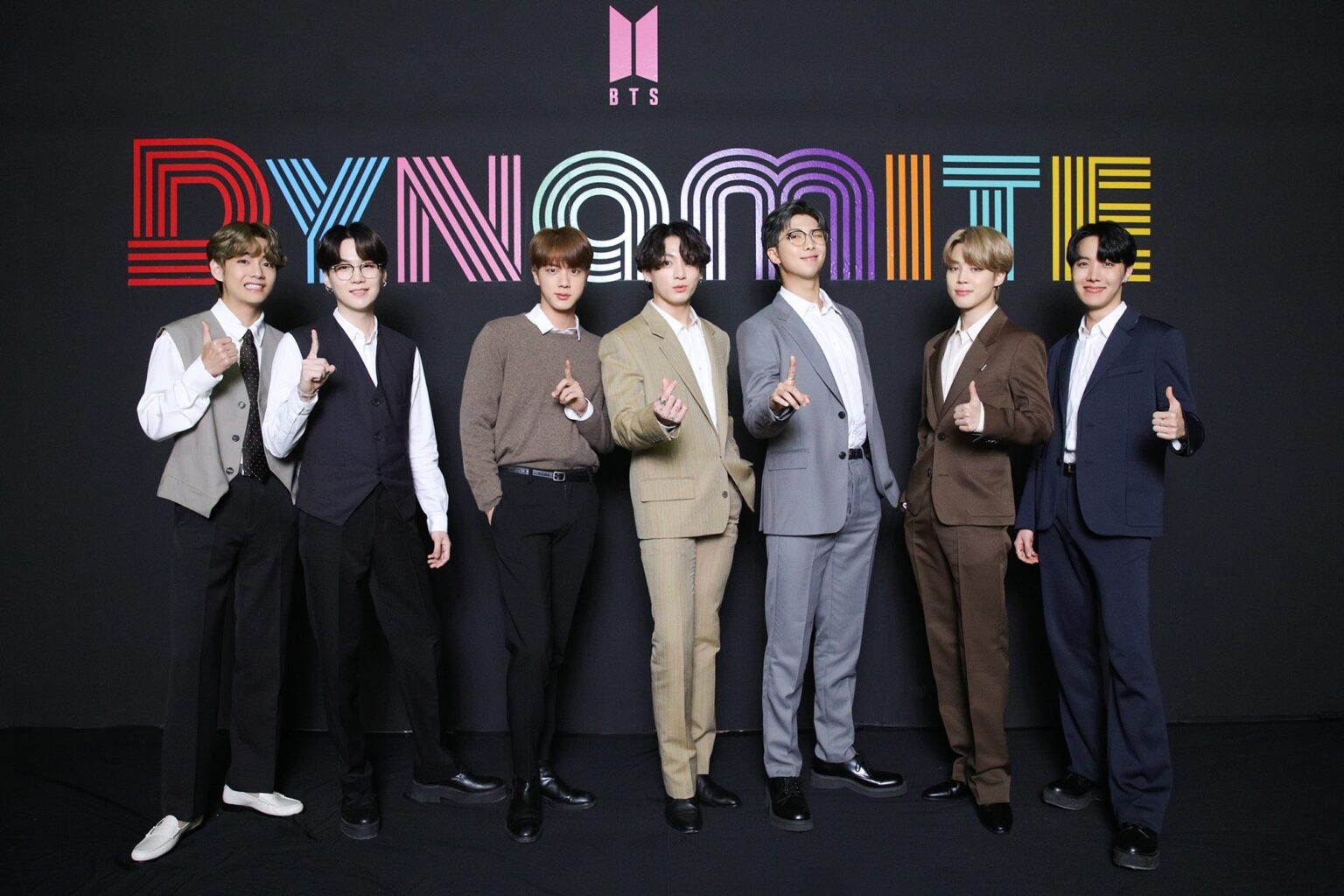
BTS arrived with seven members who carved out their own lane in global pop. RM, Jin, SUGA, J-hope, Jimin, V, and Jung Kook formed the group that would become synonymous with relentless chart runs and an unusually organized fanbase. That base called itself ARMY, short for Adorable Representative MC for Youth, and the name stuck because the music gave listeners a sense of belonging that crossed languages and time zones. Two albums hit number one on the Billboard charts, a stadium show filled Citi Field, and the screams at every airport arrival proved that translation was never required.
Idol worship & BTS
Pop fandoms have always run hot. Swifties, the BeyHive, and the Cumberbitches all prove that organized devotion is nothing new. BTS ARMY stands out because the tone stayed generous. The name itself came from Big Hit Entertainment when the group was still building momentum. Today the collective footprint sits above 80 million followers across YouTube, Instagram, Spotify, and TikTok combined, with Weverse adding another 30 million users who gather for official posts, live streams, and member updates. Secret accounts, regional servers, and member-specific pages keep the conversation going even when the main feed goes quiet. The reach has only widened since the group returned from hiatus.
BTS grateful to its ARMY
Jin once said the band exists because ARMY exists, and the members have repeated variations of that line for years. The original membership plan started as a way to build direct contact through early social channels. That system now lives on Weverse with reorganized tiers that run about twenty-two dollars a year. Benefits center on presale access, exclusive media drops, and occasional raffles rather than handwritten notes. Members still set firm boundaries; showing up at private flights or airports can cost a fan their standing. The focus has shifted to shared digital spaces where the interaction feels immediate without crossing into intrusion.

Military Service Hiatus and Full Reunion
Between 2022 and 2025 every member completed mandatory service. RM, Jin, SUGA, J-hope, Jimin, V, and Jung Kook each finished their terms by June 2025. The staggered schedule kept individual projects alive while the full group paused. Once the final discharge cleared, the seven came back together for new music and live dates. The reunion removed the question of whether the unit would continue and instead opened the door to the next chapter of releases and performances.

Weverse and Modern Fan Engagement Platforms
Weverse replaced the scattered forum model with one central app. Over thirty million users log in for member lives, behind-the-scenes clips, and direct posts that used to land on multiple platforms. The same membership that unlocks ticket windows also bundles digital content and community events. Fans who once tracked separate Twitter accounts and Instagram stories now find the same updates in one feed, while language tools and translation threads keep the conversation open to listeners who do not speak Korean. The platform turned casual followers into daily participants without requiring constant travel or expensive merch hauls.

Record-Breaking 2026 Comeback and Tour
Arirang, the fifth studio album, debuted at number one on the Billboard 200 with 641,000 units sold in its first week. The 34-city world tour that followed filled arenas from Seoul to Los Angeles and added extra dates in markets that had waited through the service period. Ticket demand ran higher than the pre-hiatus peaks, and secondary markets showed prices that reflected both pent-up interest and new listeners who joined during the solo eras. The tour also marked the first full-stage production the group mounted after every member returned, giving long-time fans the reunion shows they had tracked for years.

Sustained Streaming Dominance and Billion-Stream Milestones
Dynamite alone has passed 2.2 billion Spotify streams. The catalog now includes multiple additional tracks that crossed the billion mark, a sign that the 300 percent listener spike reported in 2020 was not a one-time surge. Playlists still surface older title tracks alongside newer singles, and the numbers keep climbing because the songs travel across languages and generations. Streaming platforms treat BTS as evergreen catalog rather than a momentary trend, which in turn feeds the algorithm that brings in listeners who never saw the early music shows or fan cams.
The love for BTS grows exponentially
Economic studies now place the group’s annual contribution to South Korea in the billions through tourism, concert spending, and merchandise. One major stadium date has been estimated to generate up to 800 million dollars in local revenue. Projections from research institutes suggest fan-driven activity could add 0.35 percent to national GDP by 2040 if current patterns hold. HYBE reported 477 million dollars in first-quarter 2026 revenue, a 39.5 percent jump tied directly to the comeback cycle. The company’s earlier IPO plans have already been realized, yet the same fanbase that supported the debut still drives the bulk of the numbers. ARMY’s habit of charity matching and multilingual streaming campaigns continues to expand the circle without changing the original invitation: like the music and you are in.
