



When will western award shows take BTS and K-pop seriously?
BTS broke through Western barriers with the release of “Dynamite” in 2020, turning a Korean act into a global streaming force that continues to rack up numbers years later. The track’s early dominance on Spotify and YouTube signaled that the group had moved past niche status, yet questions lingered about how Western award shows would respond to that level of commercial reach. The 2020 Billboard Music Awards offered one snapshot of that relationship, but the story has kept evolving since.
Cut to Billboard Music Awards 2020
The 2020 Billboard Music Awards, hosted by Kelly Clarkson, handed out trophies across a wide field. Taylor Swift and Billie Eilish led the nomination count, with Eilish taking Top Female Artist and Top Billboard 200 Album for When We All Fall Asleep, Where Do We Go? Post Malone swept several major categories, including Top Artist. BTS collected their fourth straight win for Top Social Artist, beating out nominees that included Billie Eilish, EXO, GOT7, and Ariana Grande. The group later went on to win 12 total Billboard Music Awards, the highest total for any act in the show’s group category history.
Gratitude for the ARMY
J-Hope opened the acceptance speech by thanking fans directly: “Thank you ARMY for giving us this award four years in a row.” RM followed by framing the trophy as evidence that distance could not break the connection between the group and its supporters. Suga described the relationship as “a collaboration of our special connection.” BTS had also been nominated for Top Duo/Group that night, though the Jonas Brothers took the award. The same bond between BTS and ARMY carried forward through later wins, including the 2026 American Music Awards victories.
What else happened at the BBMAs 2020?
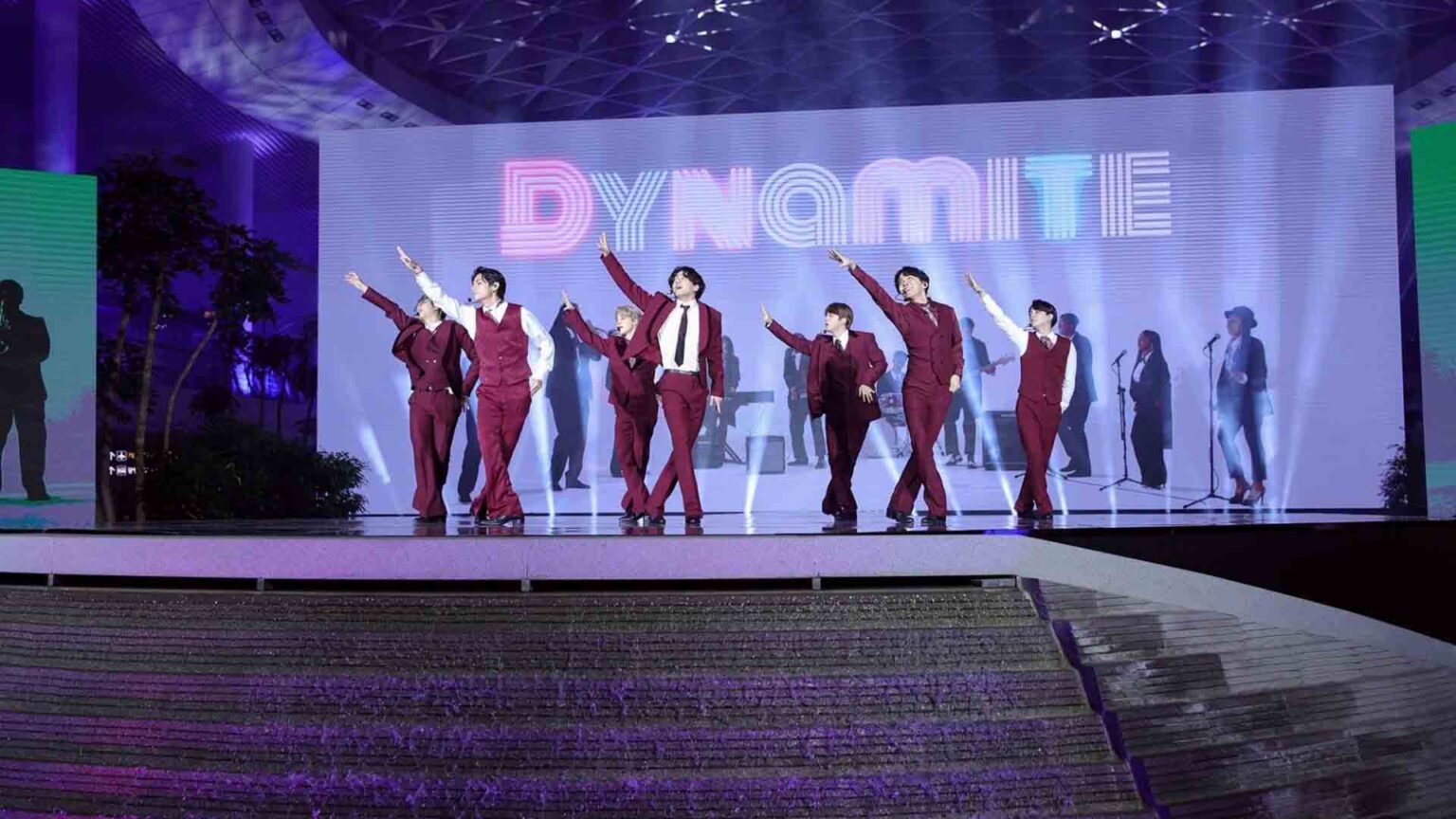
Garth Brooks received the Icon Award from Cher and performed several signature songs, including “The Thunder Rolls,” “The River,” and “Friends in Low Places.” Other performers included Demi Lovato, John Legend, Alicia Keys, En Vogue, BTS, and Luke Combs. Those 2020 moments remain a fixed part of the evening’s record.

BTS Post-2020 Award Milestones
After the 2020 Billboard Music Awards, BTS continued to collect hardware at the same show, finishing with 12 total wins across multiple categories. The group also returned to the American Music Awards in 2026 and swept Artist of the Year plus Song of the Summer for “Swim,” bringing their AMA total to 14. These later victories directly address the original question about Western recognition and show measurable progress beyond the 2020 results.
Dynamite's Enduring Legacy
The song that first pushed BTS into mainstream Western playlists has kept growing. The official music video has now surpassed 2.1 billion YouTube views, while Spotify streams have crossed 2.29 billion. Those long-term numbers place “Dynamite” among the most durable catalog tracks released during the pandemic era and continue to drive ongoing interest in the group’s earlier Korean-language releases.

ARMY's Evolving Global Impact
The fanbase that powered the 2020 streaming records has expanded into a worldwide network estimated at tens of millions of supporters. Projections for the 2026 comeback activities place combined revenue from tickets, merchandise, albums, and streaming above one billion dollars. Cities on the planned tour route are expected to see roughly 5.3 billion dollars in direct fan spending, illustrating how the ARMY’s economic footprint has scaled alongside the group’s award-show presence.
Broader K-Pop Presence at Western Shows
BTS no longer stands alone at major Western ceremonies. Stray Kids later won Top Global K-Pop Artist at the Billboard Music Awards, and Jungkook collected individual category wins. BLACKPINK and other acts have also charted and received recognition at the same shows, indicating that the industry has widened its aperture beyond a single group. This wider field of honorees updates the conversation that began with BTS’s 2020 Billboard Music Awards appearance.
The numbers attached to BTS and the larger K-pop wave have shifted since 2020, and the award shows have registered some of those changes. Whether future ceremonies continue to close the gap between commercial scale and trophy counts remains an open thread, but the record so far shows incremental movement rather than a closed door.
