BTS and the ARMY: How the two support and care for each other
Even in the middle of uncertainty, people still found ways to lean on one another. BTS and ARMY built a bond that stretched across continents and survived long separations. The connection started with music and grew into something steadier, a two-way street of support that kept both sides moving forward.
“I’m your hope, your my hope”
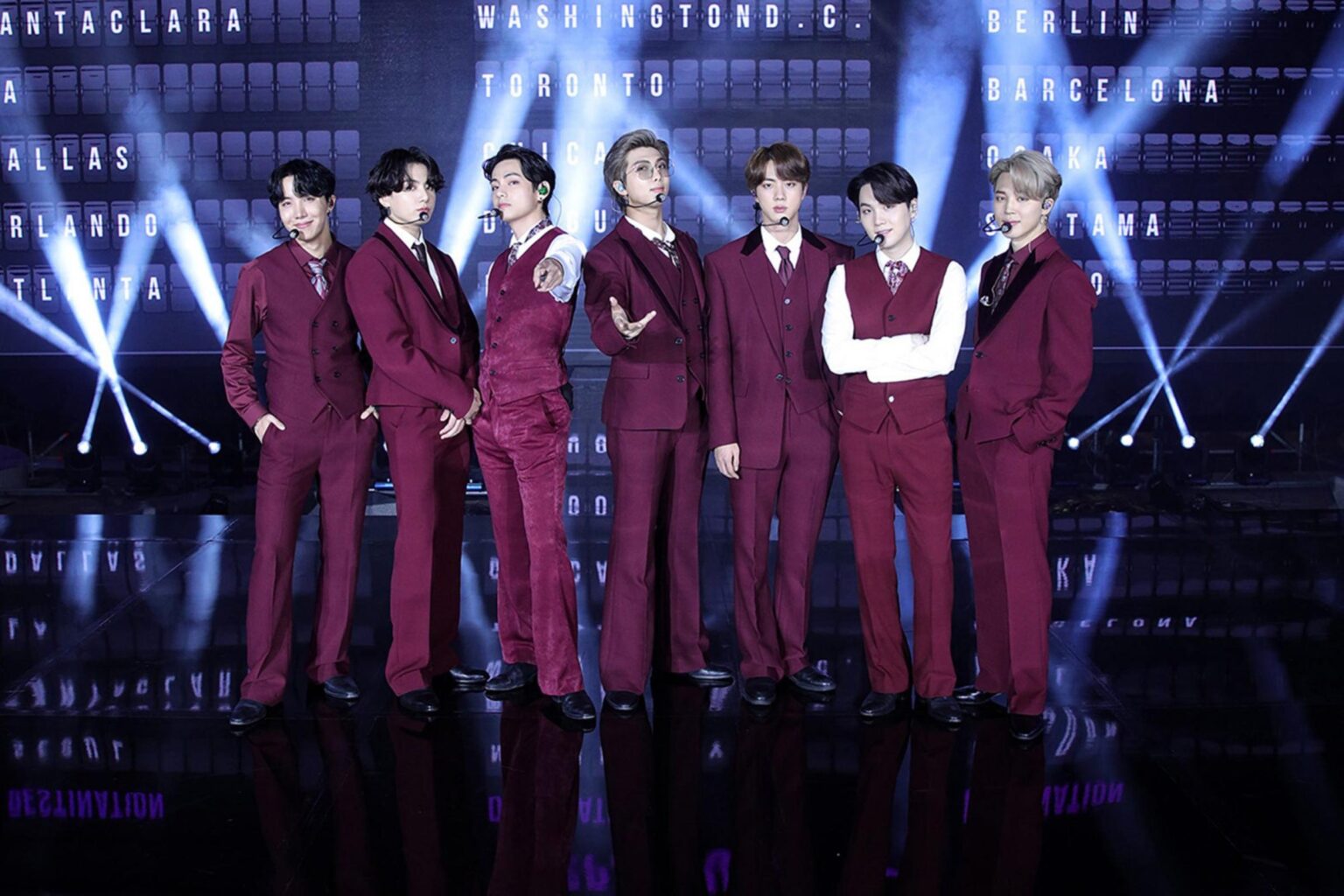
J-Hope’s line captured the mood when live shows disappeared. BTS staged Map of the Soul ON:E on October 10-11, 2020, and nearly one million paid viewers tuned in from 191 regions. Light sticks glowed in living rooms while a screen behind the stage showed ARMY faces scattered across time zones. V closed the final night by saying the fans felt present even though they were not in the room, and the line still reads as a promise rather than a memory. The moment marked the last major virtual gathering before the members entered military service.
BTS sends more love to ARMY
Dynamite arrived in August 2020 as a deliberate bright spot. The track spent three weeks at number one on the Billboard Hot 100 and later crossed two billion YouTube views. The all-English single gave listeners an immediate lift while the group prepared for an extended break. BTS In the Soop ran from August to October 2020, with a second season the following year, offering quiet footage of the members resting in a forest setting. Fans treated the series as a shared pause rather than an escape, and the show’s calm tone mirrored the mental-health messages already present in the group’s lyrics.
The ways ARMY supports BTS
ARMY engagement never dipped. Streams, fan art, and Weverse conversations stayed constant through the years the members were away. The community also kept watch on privacy. Reports of fans gathering outside members’ homes continued, and Jungkook issued direct warnings in 2026 that the behavior crossed a line. ARMY accounts publicly backed those statements, repeating that respect for personal space is part of the contract between artist and listener.

Post-Military Service Reunion and 2026 Comeback
All seven members completed service by June 2025. BIGHIT MUSIC announced a full-group album titled Arirang for release on March 20, 2026, followed by a world tour beginning in April. The timeline replaced years of solo projects and online updates with a single shared schedule. Fans tracked discharge dates the way earlier generations tracked tour announcements, and the reunion plans turned the long wait into a measurable countdown.

ARMY-Led Mental Health Initiatives
The ARMY Help Center expanded its reach with webinars and partnerships that focus on peer support. Programs mirror the openness BTS modeled in interviews and songs, turning individual coping strategies into organized community resources. Volunteers run regular check-ins that keep the conversation going beyond any single release cycle, and the effort has drawn attention from mental-health organizations looking for models that work across language barriers.
Ongoing Privacy Advocacy and Sasaeng Challenges
Incidents involving invasive behavior have not disappeared. Members have spoken about the strain of constant surveillance, and ARMY responses remain consistent: public statements condemn the actions and urge stricter enforcement. The pattern shows that fan protection of boundaries is not a one-time campaign but an active, repeated stance that travels with the group wherever schedules take them.
Global Virtual and In-Person Engagement Evolution
Map of the Soul ON:E proved that distance could still produce collective energy. The 2026 world tour announcement now pairs that lesson with the return of live venues. Organizers expect both formats to coexist, using the reach built during the virtual era to fill arenas once the group resumes full travel. The shift does not erase the online chapter; it simply adds the missing piece fans had been promised since 2020.
Landmark Releases and Lasting Cultural Impact
Dynamite remains the clearest example of BTS meeting listeners in a difficult moment and leaving a measurable mark. Its chart run and streaming numbers turned a pandemic single into a permanent catalog entry. Later releases will carry the same expectation: that one song can still travel farther than any single tour date and keep the conversation between artist and audience alive across time zones.
The relationship between BTS and ARMY has moved through virtual stages, solo eras, and now a scheduled return. Each phase added new evidence that the support runs both directions and holds when circumstances change. The next chapter begins with an album and a tour, but the habit of showing up for one another is already in place.