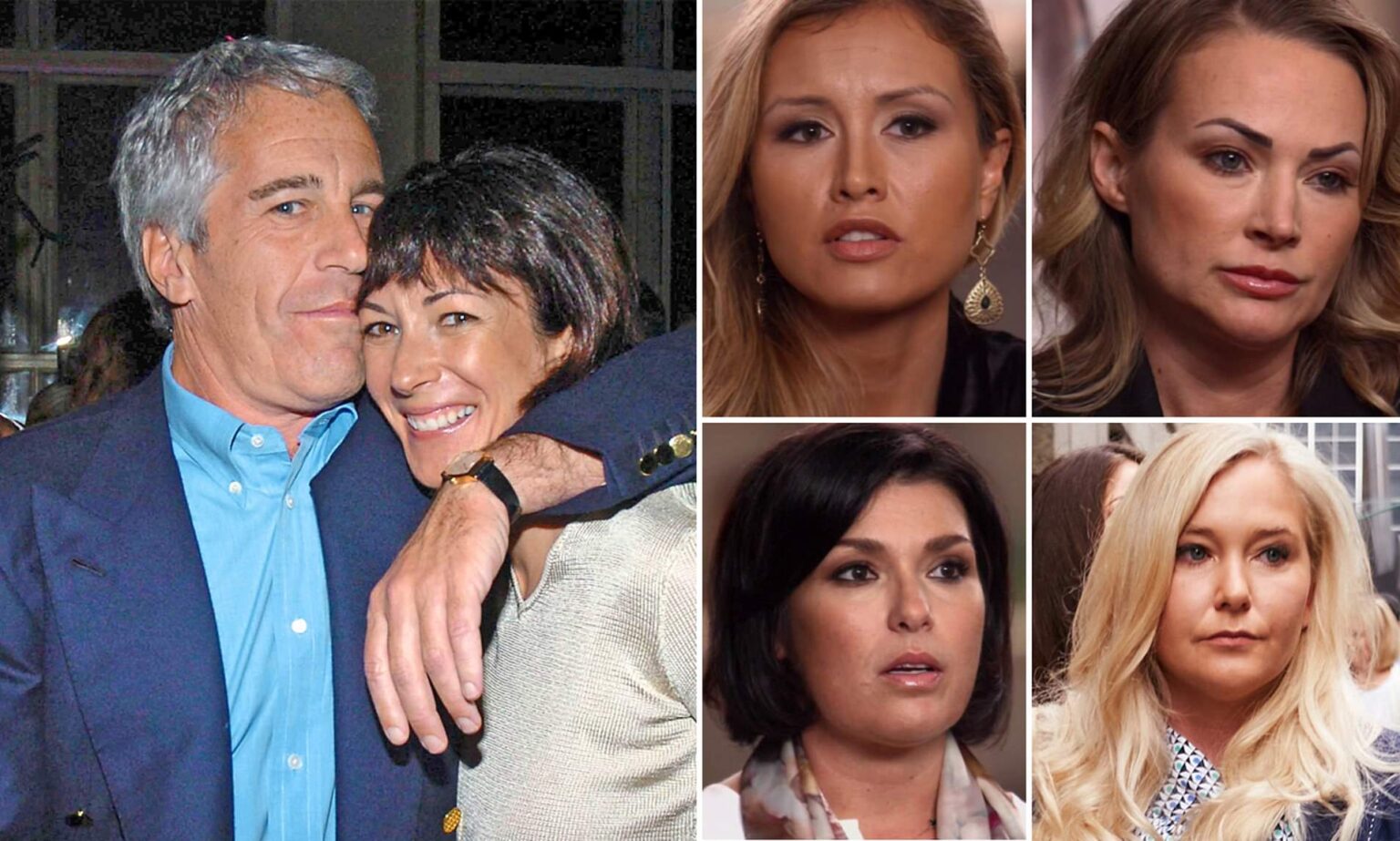
Jeffrey Epstein victims: How Ghislaine Maxwell’s arrest may affect them
The 2008 non-prosecution agreement reached between Jeffrey Epstein, his legal team, and then-U.S. Attorney Alex Acosta granted Epstein a single count of soliciting prostitution and a single count of soliciting a minor. In exchange, he received a year in county jail with generous work-release privileges, another year of probation, and sex-offender registration. Florida investigators and the FBI already held evidence that could have supported multiple federal sex-trafficking charges carrying a life sentence. The victims learned of the terms only after the deal was signed.

Crime Victims’ Rights Act and the 2008 Agreement
The Crime Victims’ Rights Act of 2004 requires federal authorities to notify victims of plea discussions and sentencing proceedings so their input can be considered. Court records later showed that victims received no advance notice and that prosecutors were directed to avoid contact. Courtney Wild, identified in filings as the lead petitioner, began pressing for enforcement of those statutory rights almost immediately after learning the terms.

Co-Conspirator Protections in the Non-Prosecution Agreement
The agreement extended immunity to unnamed co-conspirators. Four individuals were later identified in investigative files, including Ghislaine Maxwell. Maxwell’s name did not appear on the original list of protected parties, yet prosecutors and courts examined whether the broad language still shielded her from later federal charges.

Final Resolution of Victims’ CVRA Claims
An initial panel decision in April 2020 upheld the agreement. The full Eleventh Circuit granted rehearing en banc and, in April 2021, denied relief by a 6-4 vote. The court held that CVRA rights do not attach before formal charging and that victims lack a freestanding private right of action outside an existing proceeding. The Supreme Court declined review in February 2022, closing the litigation.

Ghislaine Maxwell’s Conviction and Sentencing
Maxwell was indicted in July 2020 on independent federal charges. A Manhattan jury convicted her in December 2021 on five counts, including sex-trafficking conspiracy. She received a twenty-year sentence in June 2022. The Second Circuit affirmed the conviction in September 2024, and the Supreme Court denied certiorari in October 2025. No additional counts arising from the 2008 agreement were ever added.
Named Co-Conspirators and Limited Unsealing
In February 2026 the Department of Justice released previously redacted portions of 2019 Office of Professional Responsibility files. The documents named four individuals referenced in the original non-prosecution agreement, among them Maxwell, Lesley Groff, Jean-Luc Brunel, and Les Wexner. The release did not void the agreement or produce new criminal cases beyond Maxwell’s earlier conviction.
Long-Term Victim Advocacy and Legislative Efforts
After the CVRA litigation ended, Wild and other survivors continued pressing Congress for statutory changes. Proposals to strengthen pre-charging notice requirements and to create clearer private rights of action have been introduced in multiple sessions, some bearing Wild’s name. Hearings and testimony extended through 2025, reflecting sustained efforts to close gaps exposed by the Epstein case.
The 2008 agreement remains in force. Maxwell’s separate prosecution and sentencing closed one chapter of accountability, while victims’ groups continue seeking broader reforms that would prevent similar exclusions in future cases.