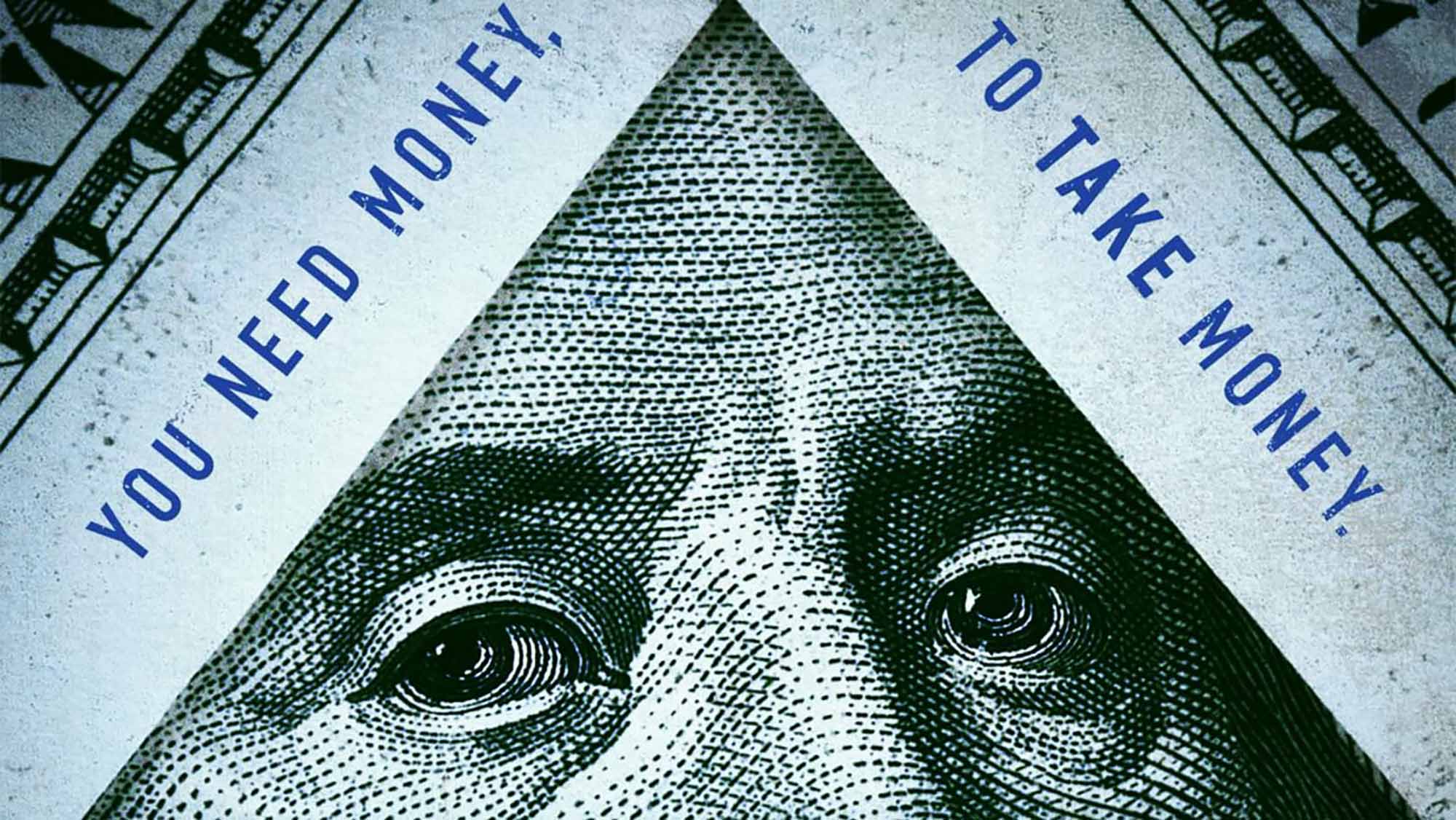
Netflix follows the money in new docuseries ‘Dirty Money’
Dirty Money remains one of the most infuriating programs available on Netflix, not because of any shortfall in its production but because of its unflinching commitment to exposing some of the most brazen corporate schemes of recent decades. The anthology format lets a roster of directors examine how six lucrative operations targeted consumers and rivals alike, from Volkswagen’s emissions deception to payday lenders and pharmaceutical pricing games, along with quieter maneuvers inside Quebec’s maple syrup federation. The series totals twelve episodes across two seasons released in 2018 and 2020, and it still streams with its original trailers intact.
Each installment stays tightly researched and edited, steering clear of the self-referential style associated with Morgan Spurlock and Michael Moore. The directors’ signatures show through without breaking the overall rhythm, giving the project the same binge-friendly pull that Making a Murderer once delivered and the character-driven momentum of Narcos. That consistency makes the full run feel like a single, coherent warning about how profit motives can override both regulation and basic fairness.
Overall series description and Netflix context
The opening episode, “Hard Nox,” directed by Alex Gibney of Going Clear fame, still stands as the clearest example of how personal stakes can complicate an otherwise crisp investigation. Gibney and his wife bought a Volkswagen “clean diesel” on the strength of its advertised emissions numbers, only to learn the company had installed software to cheat the tests. The rest of the hour tracks the German automaker’s attempts to stall once regulators caught on, and the personal footage feels slightly out of place next to the otherwise detached reporting. Gibney’s stronger contribution came as executive producer, recruiting a group of filmmakers who kept their own presence minimal.
“Drug Shorts” and Fahmi Quadir profile
Erin Lee Carr’s “Drug Shorts” remains an early high point precisely because she lets the story drive itself. The episode follows short-sellers who bet against Valeant Pharmaceuticals after noticing the company’s pattern of buying smaller firms and then hiking drug prices while cutting research budgets. Fahmi Quadir, a former medical specialist turned short-seller, emerges as the clearest voice in the piece, treating each target like a case file that needs both financial scrutiny and a sense of accountability. She later founded Safkhet Capital and has continued the same approach, discussing in 2026 how short-selling still functions as one of the few consistent checks on corporate overreach.
“Payday” episode on Scott Tucker
Jesse Moss’s “Payday” takes a similar personality-driven route but gives more space to the central figure, payday lender Scott Tucker. The episode shows Tucker’s gaudy lifestyle and his use of high-interest loans to fund a racing career, then lets him argue that his business simply met existing demand. Tucker was sentenced in 2018 to more than sixteen years for running a 3.5-billion-dollar unlawful lending operation; a later concurrent sentence added thirty-six months for related tax fraud, and he paid over forty million dollars in restitution to the IRS. The projected release date sits in 2032, closing one chapter while leaving the broader question of regulatory priorities unanswered.
“Cartel Bank” HSBC coverage
Kristi Jacobson’s “Cartel Bank” traces how a routine fraud case against a West Virginia doctor opened a larger file on HSBC, one of the world’s largest banks. Investigators found the institution had become a favored channel for cartels and other criminal networks. Jacobson’s film lacks the visual punch of Carr’s or Moss’s work, yet the scope of the conspiracy and the practical immunity of executives labeled “an unjailable class” by journalist Matt Taibbi still makes the hour one of the series’ most unsettling entries. Additional anti-money-laundering fines surfaced in 2024 and 2025, and reporting from the FinCEN Files showed HSBC continued to move suspect transactions long after the original 2012 settlement.
Season 2 Expansions on Banking and Real Estate Scandals
The second season, which arrived in March 2020, widened the lens without changing the core approach. Six new stories examined Wells Fargo’s fraudulent account practices, Jared Kushner-linked real estate financing, and Malaysia’s 1MDB fund, among others. Each installment kept the same emphasis on institutional shortcuts and weak oversight, showing how the patterns documented in season one had simply migrated into new sectors. The addition of these episodes turned Dirty Money into a twelve-part record rather than a limited snapshot.
Legacy of Short-Selling and Corporate Whistleblowers
Fahmi Quadir’s later work at Safkhet Capital illustrates how the short-selling tactics shown in “Drug Shorts” have persisted. In 2026 she spoke publicly about navigating a market environment she described as a “golden age of fraud,” targeting additional companies after Valeant with measurable effects on share prices and investor attention. Her trajectory supplies a concrete follow-up to the episode’s portrait of outsiders who treat corporate disclosures as investigative leads rather than marketing copy.
Enforcement Outcomes and Appeals in Featured Cases
Legal resolutions for several subjects featured in the series offer measurable updates to the original claim that none of the stories end happily. Scott Tucker’s extended sentence and restitution payments sit alongside HSBC’s repeated fines, suggesting that while individual accountability can occur, the structural advantages that let large institutions absorb penalties without fundamental change remain intact. These outcomes reinforce rather than contradict the series’ central observation about uneven enforcement.
Relevance in a Post-Pandemic Corporate Landscape
No third season has followed, yet the themes continue to surface in ongoing financial reporting. Active short-sellers still cite the same gaps in oversight that the original episodes highlighted, and recent cases echo the Valeant and HSBC examples without requiring new documentary treatment. The absence of fresh installments has not diminished the original material’s utility as a reference point for understanding how profit incentives can outpace regulatory response.
Dirty Money never promises tidy conclusions, and the two-season run leaves viewers with the same discomfort the first six episodes produced. The series functions as a durable catalog of how corporate schemes adapt faster than the systems meant to contain them, and its continued availability on Netflix keeps that record accessible for anyone tracking the same patterns today.