



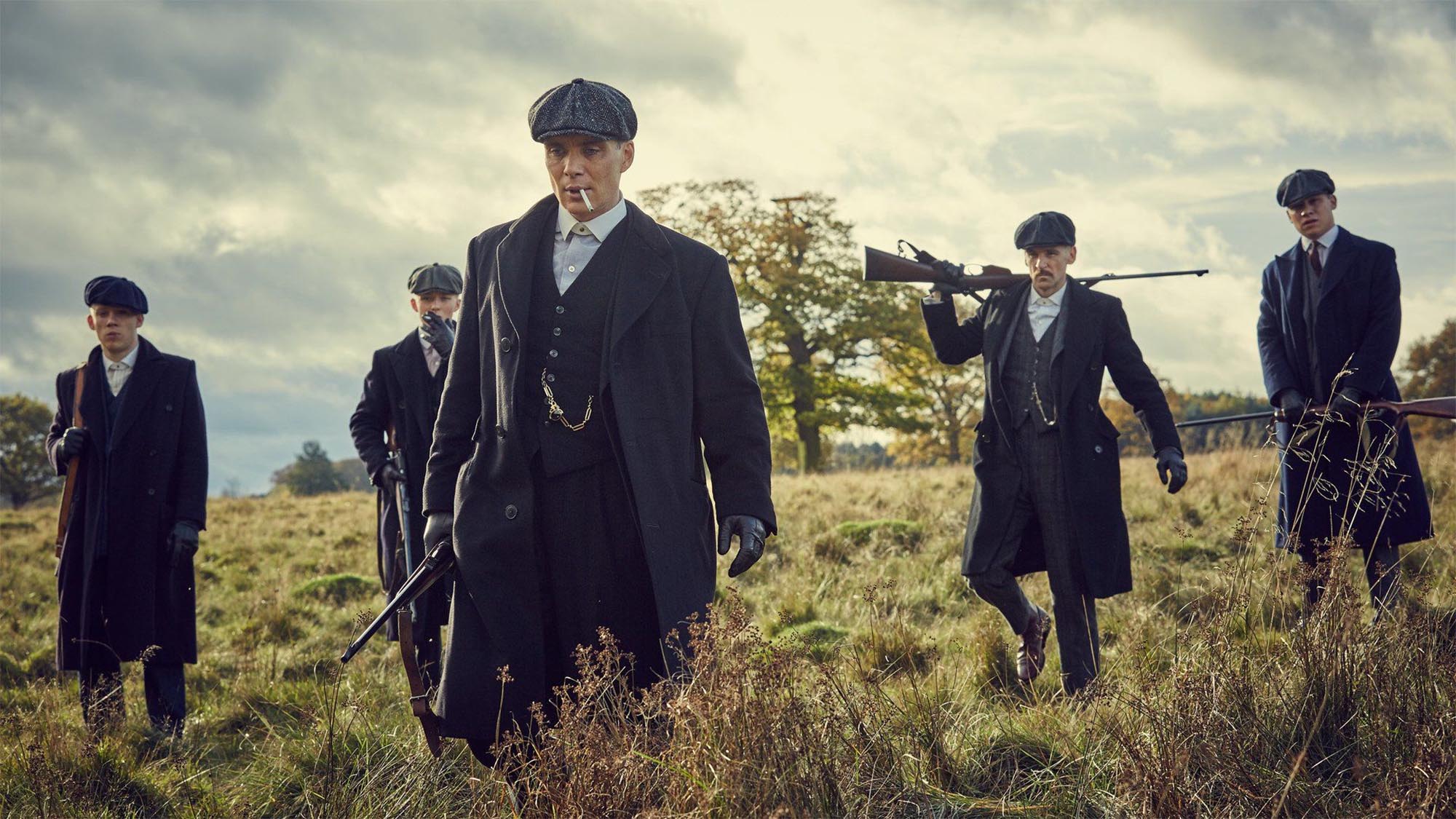
Everything you need to know about ‘Peaky Blinders’ S5
Peaky Blinders moved into the 1930s with Season 5 and the series kept its grip on viewers through the economic crash, political maneuvering, and the rise of fascism. Steven Knight framed the move forward as a way to finish the job, and the season delivered on those stakes with sharper visuals and a tighter focus on power. The original promise of at least two more seasons held true, and the show later wrapped after Season 6 before a feature film continuation arrived in 2026.
Who’s the new director?
Anthony Byrne directed all six episodes. His approach leaned into a more cinematic visual style that suited the larger political canvas and the period’s heavier atmosphere. Byrne had previously directed ITV’s three-part drama Butterfly and directed and co-wrote In Darkness with Natalie Dormer, so the move into prestige television felt like a natural step for the series.
When will it air?
Season 5 premiered on BBC One on August 25, 2019, and ran weekly through September 22, 2019. The shift from BBC Two brought stronger visibility and marked the first time the show aired on the flagship channel. All six episodes later became available on Netflix, widening the audience beyond the original UK broadcast.
Key Cast Additions and Returns
Sam Claflin joined as Oswald Mosley, the central antagonist whose fascist leanings gave the season its clearest historical target. Anya Taylor-Joy arrived as Gina Gray, adding fresh family tension and a transatlantic edge to the Shelby orbit. Cillian Murphy, Paul Anderson, and Sophie Rundle returned in their established roles, keeping the core ensemble intact while the new faces pushed the story into sharper conflict.
Plot Overview and Historical Backdrop
The season opens with the 1929 financial crash hitting the Shelby empire and forcing Tommy to adapt quickly. He secures a seat as an MP and uses that position to build alliances against Mosley while the family navigates the economic fallout. Knight’s earlier comments on the Depression and the rise of fascism across Britain and Europe play out through these plot lines, giving the story a grounded historical frame without losing the series’ signature grit.
Reception and Legacy of Season 5
The move to BBC One delivered strong viewership and confirmed that the political themes introduced here would carry forward. Critics noted Byrne’s cinematic direction and the way the season drew timely parallels between 1930s extremism and contemporary unease. The season also clarified Arthur’s growing political ties, as Paul Anderson explained, giving the family more cover, opportunity, and protection under the guise of respectability.
Steven Knight kept the larger arc moving even after the season aired, and the series eventually closed after Season 6 before the 2026 film continuation. Season 5 still stands as the point where the show fully embraced its 1930s setting and the darker political currents that defined the rest of its run.
