School pride: The best LGBTQI teen characters of all time
Every second Friday in April, the Day of Silence draws attention to the bullying LGBTQI students still face in schools nationwide. The observance marks its thirtieth anniversary in 2026, and the conversation has only grown louder since the event began in 1996. In the same stretch of time, television has introduced a string of memorable queer teen characters who refused to hide or apologize. Their stories ranged from quiet defiance to full-throated celebration, and they gave viewers proof that school hallways could hold space for every kind of identity. Here is our ranking of eleven of the best LGBTQI teen TV show characters of all time.
11. Brittany Pierce: Glee
Played by Heather Morris, the bisexual character enjoyed one of the most satisfying character arcs and relationships of the entire show. Brittany and Santana marry in season six, a resolution that gave their long friendship a clear romantic payoff. Fans still revisit their journey because it treated a same-sex romance with the same weight the series gave its straight couples.
10. Eric van der Woodsen: Gossip Girl
Producer Joshua Safran later admitted one of his few regrets about Gossip Girl was the limited space given to characters of color and gay storylines. Eric, played by Connor Paolo, received a coming-out arc and several relationships, yet the writers gradually sidelined him once a boarding-school subplot took over. His presence still mattered at the time because it placed an openly gay teen inside a glossy Upper East Side world that rarely made room for difference.
9. Danny Māhealan: Teen Wolf
Teen Wolf leaned into homoerotic tension from the pilot, so it felt natural that the show introduced a gay character early. Danny, played by Keahu Kahuanui, never existed only to comment on his sexuality; he stayed central to the first three seasons as a sharp, loyal friend who helped ground the supernatural chaos.
8. Alex Kelly: The O.C.
Marissa and Ryan may have been the official couple, but many viewers quietly rooted for Bait Shop manager Alex, played by Olivia Wilde. The bisexual character brought a cool, self-possessed energy that contrasted with the show’s more dramatic teen romances. Her short run left fans wondering how different Marissa’s story might have turned out if the writers had let her follow her sapphic instincts.
7. Toni Topaz: Riverdale
Riverdale offered several LGBTQI characters, including Kevin Keller and Cheryl Blossom, yet Toni Topaz stood out for her unapologetic attitude. Played by Vanessa Morgan, the Southside Serpent shrugged off rejection from Jughead by declaring she was “more into girls” anyway. By the series finale, Toni graduates, takes leadership of the Serpents, and appears in later timelines as an activist, extending her story past high school.
6. Elena Alvarez: One Day at a Time
Isabella Gomez delivered a frank coming-out scene with her mother, played by Justina Machado, that still ranks among the most realistic exchanges ever shown on television. Elena’s confidence and political awareness gave the reboot a fresh voice for queer Latinx teens. The episode continues to surface in lists of groundbreaking moments because it treated the conversation with humor and honesty instead of tragedy.
5. Jack McPhee: Dawson’s Creek
Creator Kevin Williamson kept Jack’s sexuality a secret from the writing staff at first, which may explain why the reveal felt abrupt. Kerr Smith’s performance still landed as a milestone: the show delivered the first passionate male-male kiss on U.S. primetime network television. That single episode shifted what teen dramas were willing to depict on broadcast screens.
4. Emily Fields: Pretty Little Liars
Emily, played by Shay Mitchell, remained one of the few lesbian leads in mainstream teen television who stayed out from the beginning. Her relationship with Alison received the same narrative attention as the show’s straight couples, and the series finale let the two marry and raise twins. Later spin-offs introduced complications, but the original run gave Emily a rare happy ending for the genre.
3. Willow Rosenberg: Buffy the Vampire Slayer
Alyson Hannigan’s Willow moved from shy computer nerd to powerful witch while also discovering her attraction to women. Her romance with Tara, played by Amber Benson, unfolded through shared magic rather than a single coming-out episode. The arc treated queer desire as part of Willow’s larger journey toward self-possession instead of a separate subplot.
2. Lionel Higgins: Dear White People
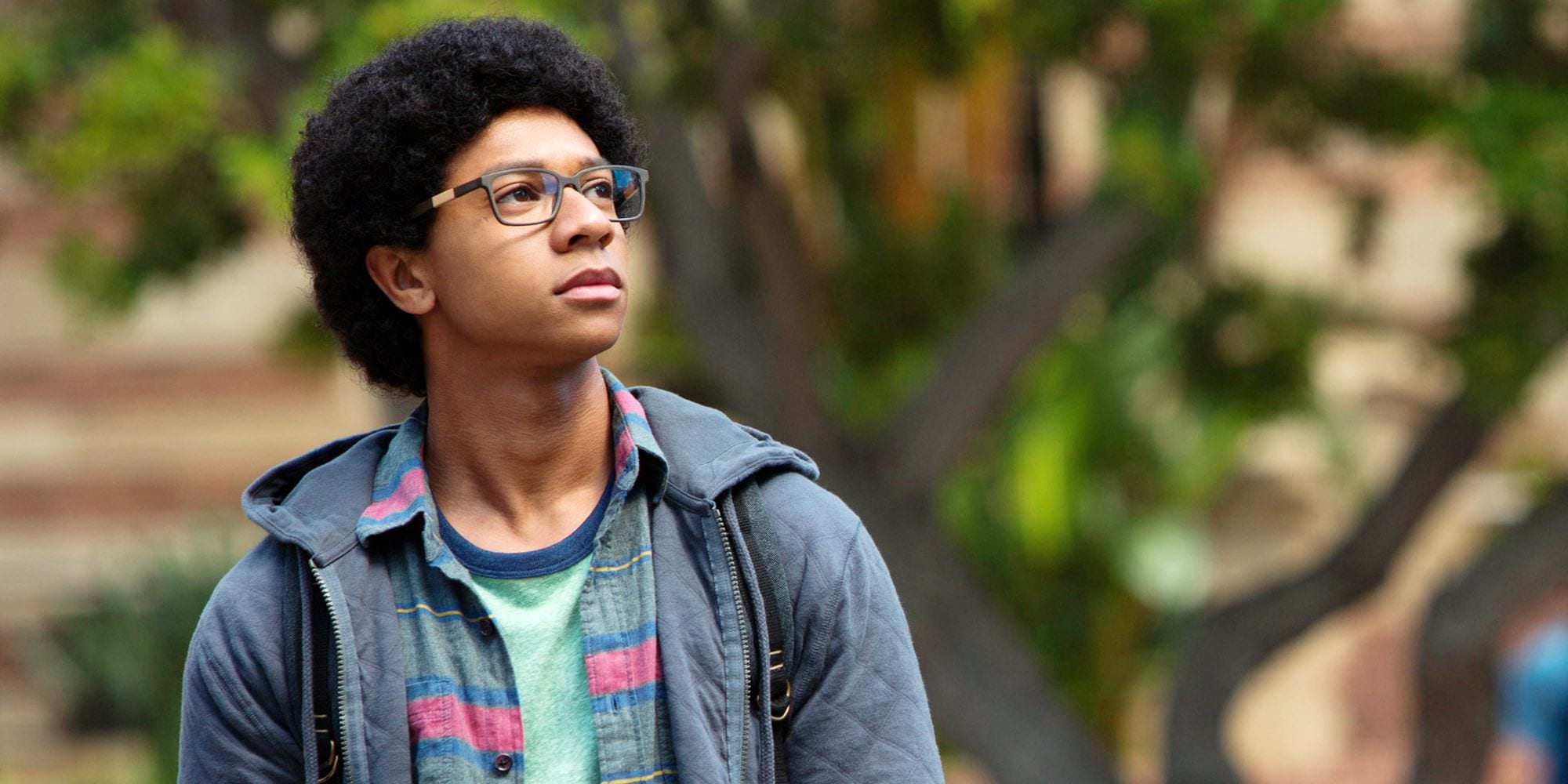
The Netflix series expanded on Justin Simien’s 2014 film and gave Lionel, played by DeRon Horton, a deeper look at what it means to be a gay Black man on a predominantly white campus. The writing did not shy away from awkward or painful moments, yet it kept Lionel’s intellect and ambition at the center. The result felt raw without turning into trauma porn.
1. Ricky Vasquez: My So-Called Life
Wilson Cruz played Ricky without ever reducing him to a single label. The character danced to Haddaway in the hallway, argued with Angela over the same crush, and claimed the girls’ restroom as neutral territory. In 1994, when the show aired, Cruz became the first out gay actor to portray an out gay teen lead on network primetime television. The performance still reads as radical because it refused to make Ricky’s sexuality the only thing worth noticing about him.
Evolution of Queer Teen Representation Since the 2010s
The original list ends around 2018, yet the years since have produced a wave of dedicated queer teen stories. Heartstopper on Netflix follows ongoing romances and includes trans characters in steady relationships. Young Royals and Heartbreak High bring international perspectives that reflect different cultural attitudes toward identity. GLAAD tracking reports show a steady rise in LGBTQI teen characters on streaming platforms, a shift that moved these stories from side plots to center stage.
The Impact of Streaming on Teen Queer Visibility
Broadcast networks once limited episode counts and subject matter, but streaming services removed those guardrails. Netflix and similar platforms revived or extended series with longer arcs that let characters explore identity over multiple seasons. International co-productions also introduced varied viewpoints, from Swedish royalty navigating first love to Australian students dealing with school politics. The format change allowed writers to linger on quiet moments that earlier schedules rarely permitted.
Persistent Challenges: Bullying and School Climate Today
Representation has increased, yet advocacy groups report that LGBTQI students still encounter harassment in hallways and locker rooms. The Day of Silence continues each year with participation from thousands of schools, a sign that the original mission remains relevant. Laws and visibility have advanced in some regions, but local climates vary, and many teens still weigh whether it is safe to be open at school. The gap between screen progress and daily experience keeps the observance necessary.
Actors Who Brought These Characters to Life
Wilson Cruz’s work as Ricky set a benchmark because he stepped into the role as an out performer at a time when few peers had that opportunity. Heather Morris brought physical comedy and warmth to Brittany, giving the character an easy confidence that made her bisexuality feel lived-in rather than announced. Isabella Gomez received praise for grounding Elena’s political edge in everyday family dynamics. These performances helped normalize queer teen lives on screen without turning them into teaching moments.
The list above captures a generation of characters who walked into fictional schools and refused to disappear. Their influence shows up in newer series that treat queer identity as one thread among many rather than the sole focus. At the same time, the Day of Silence reminds viewers that real students still need allies and protections. Television can model acceptance, but lasting change still depends on what happens after the credits roll.