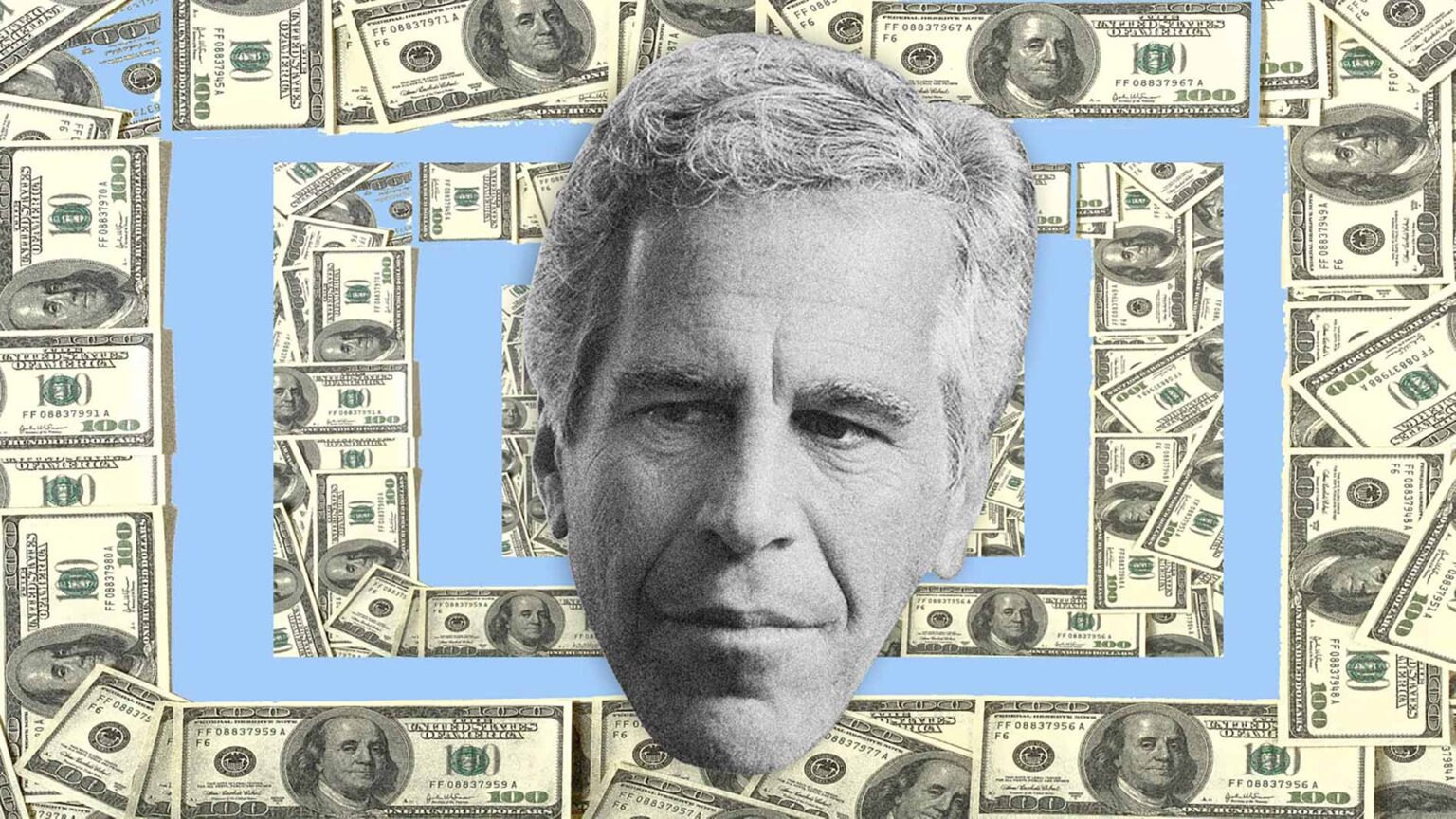
How did Jeffrey Epstein make his net worth? The craziest theories
Jeffrey Epstein’s 2019 death left behind an estate valued at roughly $577 million, yet the sources of that fortune stayed murky for years. Public filings offered little clarity, and the same powerful connections that shielded him from accountability also kept his finances opaque. Recent document releases and reporting have filled in some gaps while leaving the core questions intact.
Two documented clients accounted for the bulk of his reported income. Les Wexner and Leon Black supplied close to 75 percent of the roughly $490 million in fees Epstein collected between 1999 and 2018. Those relationships, along with offshore holdings and earlier associations, continue to anchor the main theories about how he built his wealth.
Key Clients and Fee Income
Wexner granted Epstein power of attorney in 1991, a role that lasted until 2007 and gave him broad control over the retail magnate’s finances. Reporting has described alleged transfers of hundreds of millions during that period, with roughly $100 million later repaid. Black paid Epstein between $158 million and $170 million for tax and estate planning services. Together the two men formed the documented core of Epstein’s fee income, replacing earlier speculation that his money arrived from unidentified or shadowy sources.
Money laundering
Epstein’s assets were held offshore, a detail that drew scrutiny from the start. Wexner’s power of attorney allowed Epstein to move funds across accounts with limited oversight, while JPMorgan later flagged more than one billion dollars in suspicious transactions tied to his accounts. Senate investigators examined compliance failures around those movements and Black’s large payments. The pattern fits the classic money-laundering profile, though concrete proof tying every offshore dollar to illegal proceeds remains limited.
Ponzi scheme
Steve Hoffenberg, convicted in the 1990s for a $460 million fraud at Towers Financial, repeatedly described Epstein as the architect of the scheme. Hoffenberg died in 2022 still maintaining those claims. Later lawsuits in 2016 and 2018 echoed the same accusations. A New York Times investigation later framed Epstein’s early work with Hoffenberg as part of a longer pattern of scams and misappropriation rather than legitimate finance. Epstein was never charged in the Towers case.
Blackmail
Virginia Roberts Giuffre’s 2015 court filing alleged that Epstein recorded sexual encounters involving underage girls and powerful men, then used the material to secure investments. Senate records have referenced Epstein’s alleged surveillance of women connected to Black’s payments. No major new video evidence has surfaced since the 2019 raid, yet the financial records and client relationships keep the blackmail theory in circulation.
Banking Relationships and Suspicious Transactions
JPMorgan’s internal alerts after 2019 revealed more than one billion dollars in flagged activity across Epstein-linked accounts. Investigators examined whether the bank’s compliance lapses allowed continued movement of funds tied to Black’s payments and other clients. The records add concrete infrastructure to earlier suspicions about offshore accounts without proving every transaction’s origin.

Recent Document Releases and Investigations
The 2025-2026 release of millions of pages from DOJ files included the 1953 Trust document and new reporting on Epstein’s dealings with Wexner. A December 2025 New York Times investigation concluded that scams and outright theft from Wexner formed the central source of his wealth rather than sophisticated investment strategies. The files also named trust beneficiaries for the first time, moving the story beyond speculation about unknown heirs.

Post-Death Estate Administration and Victim Compensation
The estate has shrunk to an estimated $120-200 million after taxes, legal fees, and more than $160 million in victim distributions and settlements. Little St. James and Great St. James sold for $60 million in 2023. A $35 million class settlement with executors Darren Indyke and Richard Kahn received preliminary approval in 2026. The 1953 Trust named specific beneficiaries, including Karyna Shuliak, Mark Epstein, Ghislaine Maxwell, and others, though final payouts will be scaled to remaining assets after all claims are resolved.