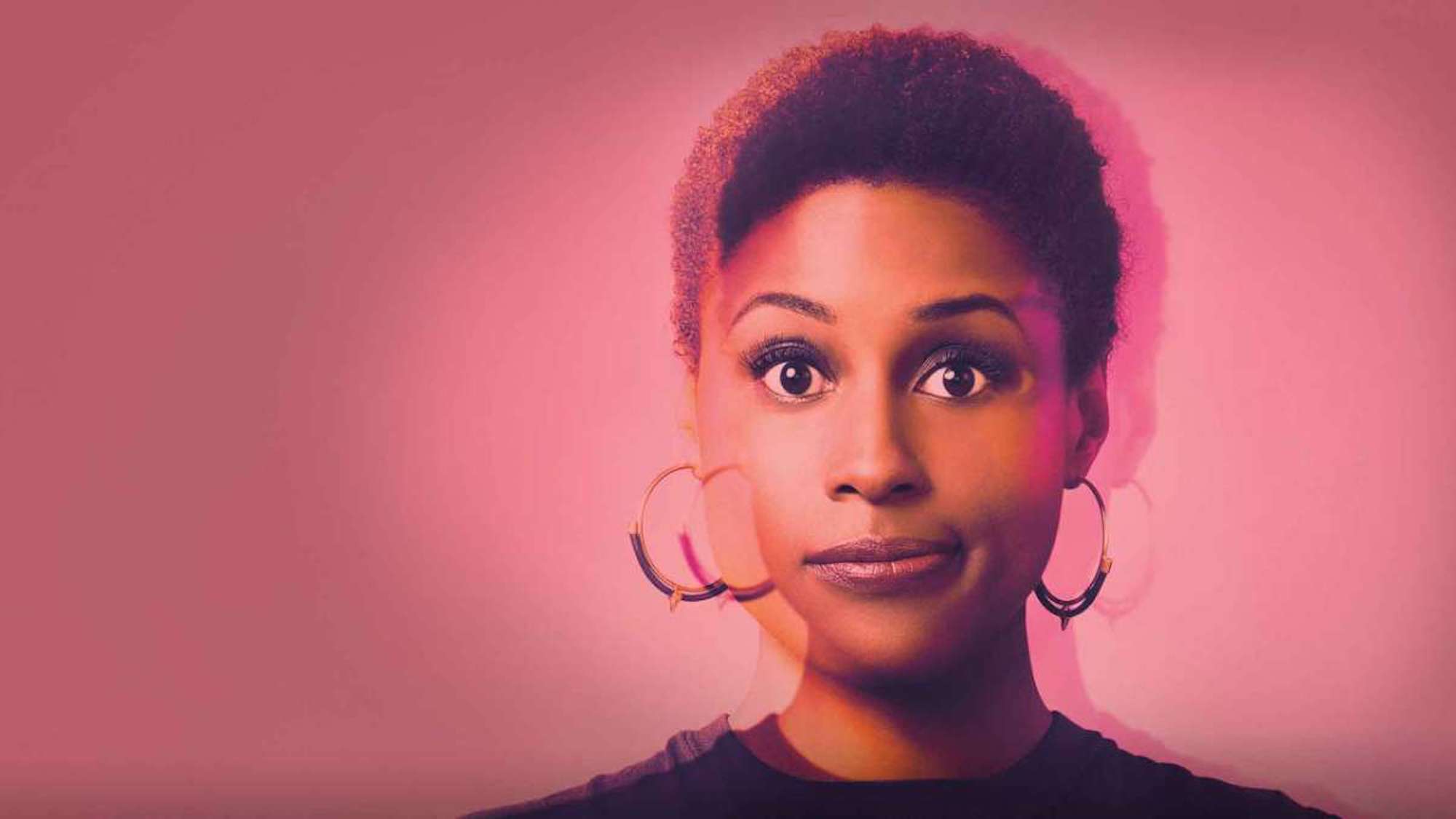
‘Insecure’ is back! Why Molly and Issa’s friendship is the best on TV
There’s a lot to love about Insecure. It has a complex, perceptive, but compellingly flawed lead in Issa (Issa Rae). It’s got sharp writing and moments of weird, surrealistic intrigue. And the HBO drama does right by depicting affairs of the heart for being just as complicated and messy as they often are in real life. But the part of Insecure that we love the most is in the portrayal of the friendship between Issa and Molly (Yvonne Orji). The portrayal of the best friends doesn’t just amplify what women mean to each other in such a close relationship – but also how they act with one another. Since S2 ended in the summer of 2017, we’ve been pining for shows that delve into the deep intricacies of female friendship as well as Insecure does. While shows like GLOW, Jessica Jones, Broad City, and The Bold Type all delve deep into the intricacies of close friendships, none of them get as deep and dirty into the reality of that relationship like Insecure does. Where Molly and Issa’s friendship differs from others on TV can be found in the minutiae of their dynamic. They finish each other’s sentences and know exactly what snack food best conveys an apology following a spat. But they’re also unafraid to boldly and loudly call each other out for their bullshit as and when they need to. It’s refreshing as hell to see on television, but it’s even more glorious to see such a relationship depicted between two women of color. Especially as both characters mercifully sidestep the painfully tired trope of the sassy black female sidekick. As Vogue speculated in its celebration of Molly and Issa’s on-screen friendship, “Scandal, How to Get Away With Murder, and Empire all have amazing and complicated black female leads with meaty roles and interesting plot twists – but seemingly no black girlfriends.” In Insecure, the publication argued: “Black female friendship is treated more than just a connection – it’s a means to emotional and mental survival.” The two have each other’s backs on everything, but their friendship is more complex than simply sharing similar frustrations and being able to bust out a convivial rant over a bottle of wine and a bowl of Cheetos every now and then. Perhaps the best example of their friendship (and why it’s so important to see on TV) can be found in the pilot episode of Insecure where Issa takes to an open mic night stage to perform “Broken Pussy” – a rap song that’s also an ode to Molly’s dysfunctional dating life. As New Republic outlined of Molly’s reaction to Issa “tryna be a rapper now”, the character delivers “a swift and necessary message that while she loves her friend, she’s not buying her mixtape . . . In one fell swoop, Molly manages to admonish, advise, and support her best friend.” In a show that so piercingly brings to light issues concerning how women can sometimes struggle to fuck all the noise, find the confidence to be their best selves, and stride forward in life, the dynamics of this relationship are even more critical. Contrary to archaic stereotypes about women (and particularly about black women), insecurities don’t have to be a conduit for catty, competitive behavior. Insecurities can actually unite women, rather than divide them. That doesn’t mean that supporting other women should solely involve cheerful and unconstructive declarations of support from the sidelines at all times (though lawd knows, we all need a bit of that from time to time). What Insecure highlights is that in order to fuck all the noise and find confidence, you sometimes need a woman who knows you and loves you well enough to tell you when you’re off your game and need to step up and make some changes. And afterwards, you can still split of bowl of Cheetos and a bottle of wine without it being weird. As Molly and Issa prove – that’s what true platonic love involves. And it’s rarely seen or done well on television for women.
The Series Finale and Friendship Resolution
The five-season run ended with the series finale on December 26, 2021. Later seasons showed the friendship under real pressure, with boundary issues and separate life choices forcing both women to recalibrate. Those tensions never erased the core bond. Instead they gave the relationship room to mature into something sturdier. By the closing episodes, Molly and Issa had learned to hold space for each other without needing constant agreement, and the final scenes made clear that honest friction had strengthened rather than fractured their connection.
Real-Life Friendship Between Issa Rae and Yvonne Orji
Off-screen, Rae and Orji carried the same blunt affection into their own friendship. During final-season promotions they spoke openly about personal growth, career pivots, and the weight of carrying a show centered on Black women. Their interviews echoed the on-screen dynamic: quick to tease, quick to defend, and quick to name when one of them needed a reality check. That lived-in rapport gave the scripted moments extra weight for viewers who followed both the series and the actresses’ public appearances.
Legacy of Black Female Friendship on Television
Insecure set a benchmark for how Black female friendship could be treated as emotional infrastructure rather than background flavor. The Peabody Awards profile noted the show’s role as a pipeline for Black talent both in front of and behind the camera. Subsequent series such as Harlem picked up the baton, placing ensembles of Black women at the center of character-driven stories that prioritize loyalty, conflict, and repair. The ripple effect is visible in casting patterns and writing rooms that now treat these friendships as narrative engines instead of decorative asides.
Where to Stream Insecure Today
All five seasons remain available on major platforms, making it easy to revisit the pilot rap, the Cheetos-and-wine apologies, and the later seasons where the friendship faced its hardest tests. The complete run lets new viewers watch the arc from tentative support to full-throated accountability without waiting for weekly drops. For longtime fans, the same episodes still reward rewatches, especially once the finale reframes earlier fights as necessary steps toward mutual clarity.
Comparisons to other shows have also shifted. Later recommendations include Harlem and other character-driven dramedies featuring Black women who navigate career ambitions, romantic missteps, and the daily work of staying close. The full series trajectory replaced early anticipation around Season 3 with a longer view: five seasons in which Molly and Issa’s bond faced and overcame challenges that felt earned rather than manufactured. The honesty that once read as refreshing still lands because it never pretended conflict was the enemy. It treated conflict as the price of staying known.