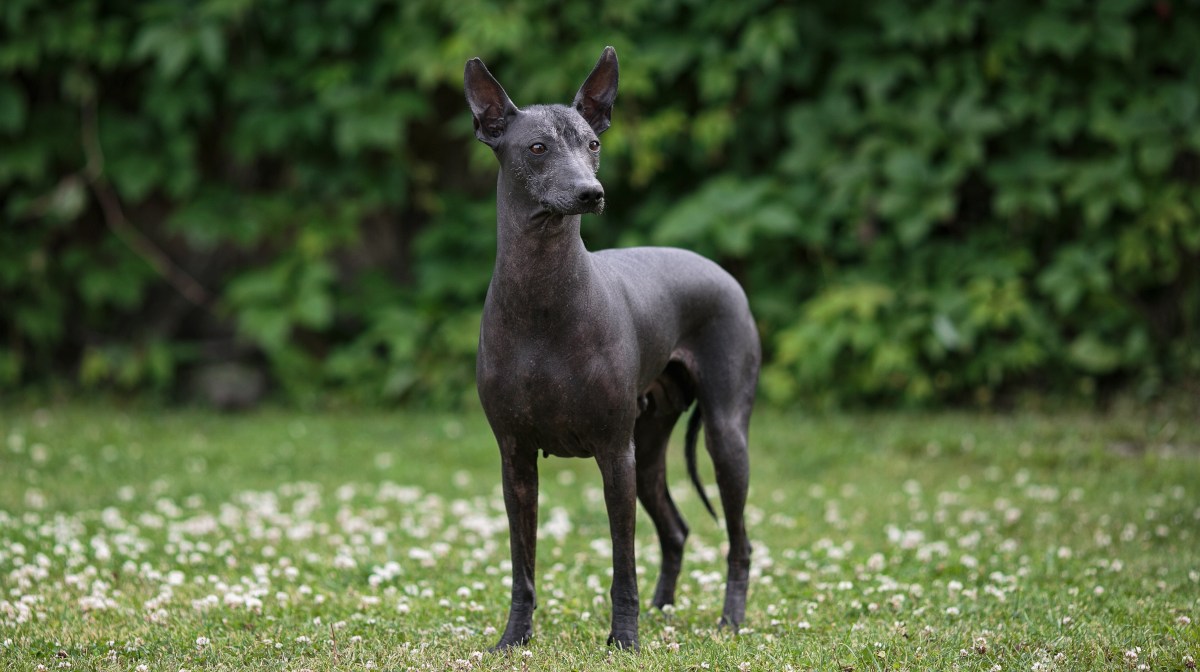
The Best Dogs in the World: Xoloitzcuintle
The Xoloitzcuintle remains one of the most distinctive breeds in the canine world, an ancient dog whose roots stretch back through pre-Columbian Mexico. Owners prize the breed for its loyalty, intelligence, and striking appearance, and the Xoloitzcuintle continues to hold its place among the most compelling choices for anyone drawn to a rare companion.
Coated vs. Hairless Varieties
Modern standards recognize both hairless and coated Xolos equally. The coated variety carries a short, easy-care coat that needs only occasional brushing, while hairless dogs require regular skin moisturizing and sun protection to stay comfortable. Both types appear side-by-side in AKC and UKC events, giving prospective owners a clear choice between the two looks without sacrificing any of the breed’s signature traits.
Health Considerations and Lifespan
Xolos typically live 13 to 18 years when given proper care. Responsible breeders screen for hip dysplasia, patellar luxation, eye disorders, and cardiac issues through OFA evaluations. Hairless puppies may experience a brief bout of adolescent acne in their first year, which usually resolves with basic skin management. These straightforward health considerations help keep the breed active and comfortable well into their teens.
AKC Recognition and Modern Popularity
The American Kennel Club granted the Xoloitzcuintle full recognition in 2011 after an earlier period of deregistration tied to its rarity. The breed ranks around 123 out of 208 breeds in recent popularity surveys. Its revival began in the 1950s in Mexico, when dedicated fanciers worked to restore numbers after the dog nearly disappeared. That steady resurgence has made quality puppies more accessible while preserving the breed’s distinctive character.
Cultural Significance in Mexico Today
Mexico officially recognizes the Xoloitzcuintle as its national dog. The breed appears at cultural events such as Día del Xolo celebrations, where enthusiasts gather to honor its long history. The Fédération Cynologique Internationale and the Mexican Canine Federation both acknowledge the Xolo, reinforcing its role as a living emblem of national heritage rather than a purely historical curiosity.
Finding a Responsible Breeder or Adoption
Because the breed remains relatively rare, careful research matters. The AKC marketplace lists registered puppies from health-tested parents, and the Xoloitzcuintli Club of America maintains resources for locating ethical breeders. Prospective owners who take time to verify pedigrees and health clearances help ensure the continued well-being of this ancient line.
The main introduction now includes precise measurements: toy dogs stand 10 to 14 inches at the shoulder, miniatures 14 to 18 inches, and standards 18 to 23 inches, with weights spanning roughly 12 to 70 pounds. Both hairless and coated coats receive equal standing under current standards. The temperament section balances the breed’s affectionate side with its natural reserve toward strangers, describing Xolos as calm, tranquil, aloof yet attentive, cheerful, alert, and never aggressive. These traits make them reliable watchdogs that still form deep bonds with their chosen people.
Frida Kahlo’s connection gains sharper detail with the confirmed presence of a third dog named Señor Xolotl. Her 1938 painting Itzcuintli Dog with Me features one of her companions, while The Love Embrace of the Universe places Señor Xolotl in a central role. These works underscore how deeply the artist integrated her dogs into both her daily life at Casa Azul and her creative output.
The Dante section now notes the Aztec belief that Xolos guide souls to the afterlife, a tradition that directly shaped Pixar’s decision to cast the breed in Coco. Research trips to Mexico allowed the animation team to observe real Xolos in their native environment, lending authenticity to the character’s appearance and behavior throughout the film.
The benefits section adds concrete care guidance. Owners should plan for about 30 minutes of daily exercise, usually a neighborhood walk or light play. Hairless dogs benefit from consistent skin routines, and first-year acne remains a manageable phase rather than a long-term concern. With a 13-to-18-year lifespan, these moderate requirements suit households that value companionship without intense physical demands.
The Xoloitzcuintli Club of America continues to serve as the primary U.S. organization for the breed. Events now regularly showcase both hairless and coated varieties together, reflecting the inclusive standards maintained by the AKC and UKC. This shared showing environment helps newcomers understand the full range of options before bringing a dog home.
From precise size standards and health protocols to cultural context and practical acquisition advice, the updated picture of the Xoloitzcuintle offers readers a complete view of what living with one of these dogs actually entails. The breed’s combination of ancient lineage, manageable care needs, and steady modern revival keeps it firmly among the most intriguing choices available to dedicated owners today.