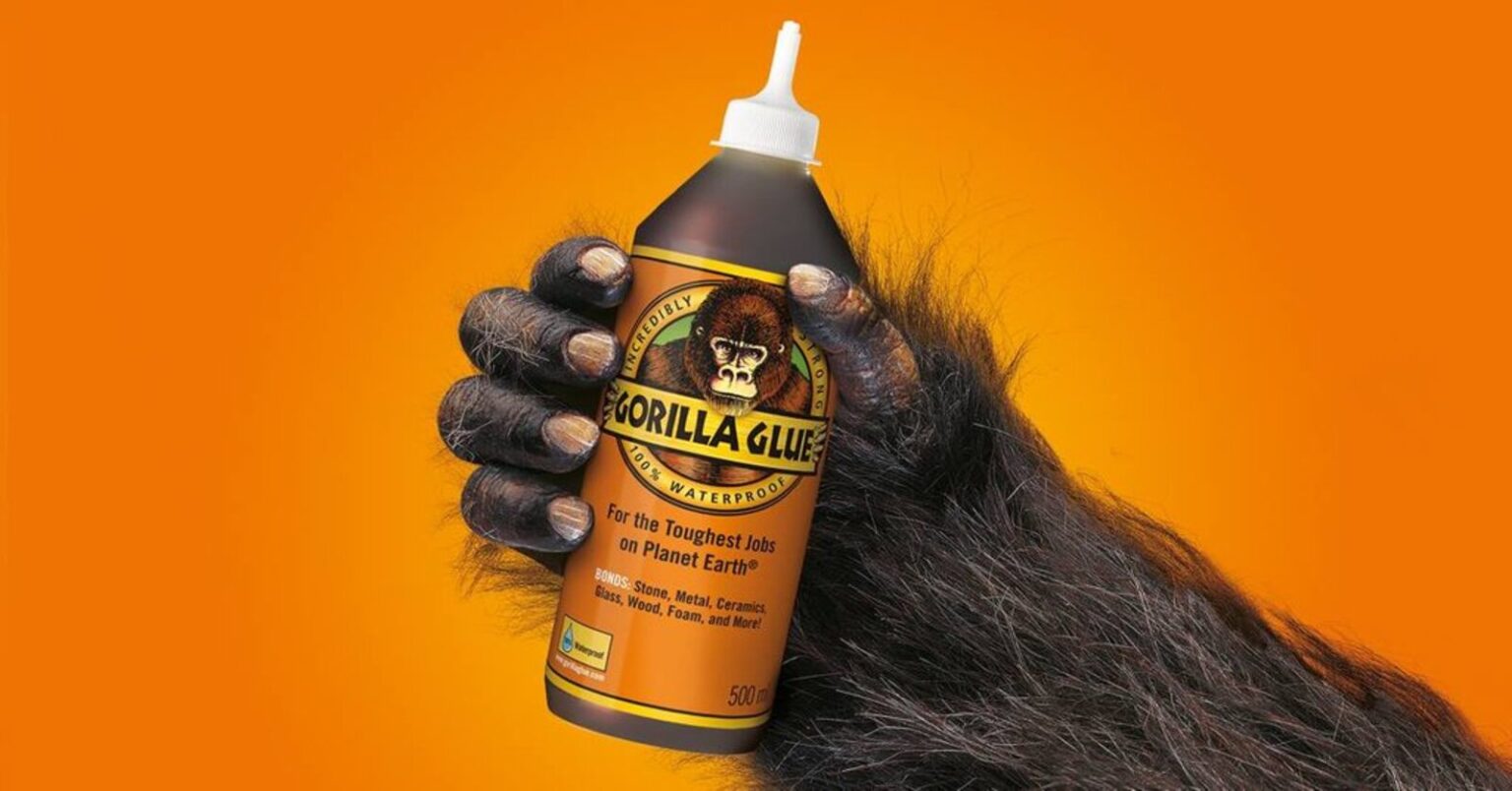
Memes: Twitter tries to figure out how to remove Gorilla Glue from hair
The 2021 TikTok video of Tessica Brown using Gorilla Glue spray adhesive in place of hairspray turned into one of the more memorable internet cautionary tales. Brown explained she had run out of her usual Got2b Glued product and reached for the hardware-store alternative, only to find her hair cemented in place. The clip spread quickly across platforms, sparking a wave of memes that asked the same practical question: how to remove gorilla glue without making the situation worse.
Those early reactions mixed genuine concern with the usual online humor. Viewers traded guesses about solvents, oils, and home remedies while the story stayed in the headlines for weeks. Brown eventually sought professional care after nearly a month of living with the hardened adhesive.
The Real Story Behind the Viral Video
Tessica Brown posted the original video explaining she ran out of Got2b Glued spray and used Gorilla Glue instead. Her hair remained stuck for approximately one month before seeking medical help. The clip captured the moment she realized the spray had created a solid helmet rather than a temporary style, and the footage quickly moved from TikTok to Twitter where users began collecting reactions.
How It Was Actually Resolved
Dr. Michael Obeng performed a free four-hour surgical procedure in February 2021 that successfully removed the glue. Brown recovered and later reflected on the experience publicly. The operation required careful mechanical removal rather than chemical solvents, and the surgeon documented the process to reassure viewers that professional intervention worked when home attempts failed.
Quick fix
Professional surgical intervention by a plastic surgeon was required for full removal. Early online suggestions ranged from dish soap to olive oil, but none loosened the industrial adhesive enough to free Brown’s hair on their own.
#Dead
Genuinely, we feel awful. He gets the idea of sticking to the plan, but not literally!
New warning label
Manufacturer explicitly warns against misuse on hair or skin and provides emergency contact info. The product label already carries clear instructions against using the adhesive anywhere near the body, yet the video still prompted a fresh round of safety reminders from viewers who had never considered the possibility.
New usage rate
Well . . . let’s just throw gorilla glue against the wall and see what ideas stick. Technically everything should, right?
Hard-headed
It’s never a good thing when Spongebob is laughing at you . . .
Oops, she did it again
Even Britney thinks you’re insane for doing that. Yikes.
Twitter for the win
Perfect meta description.
My leg
The original videos served as a widely viewed cautionary example at the time. One widely shared clip showed Brown attempting to demonstrate the stiffness of her hair while a friend reacted off-camera, turning the moment into an accidental public service announcement.
Looks like play-doh
Holy H$!!, this is an actual brand?
Handing off of the torch
This even got Bernie out of his chair. We’re impressed.

Safety Advice from the Manufacturer
Gorilla Glue recommends avoiding acetone and solvents on skin; use mechanical methods or seek professional care. They maintain a dedicated line (1-800-420-7186) for adhesive-related medical questions. The company has stressed that their products are formulated for construction and craft use, not cosmetic applications, and that any skin or hair contact should be handled by trained professionals.
From Viral Moment to Lasting Meme
The event continues to be referenced in online discussions and reposts into 2025. Brown released music reflecting on the experience and maintained a public profile. The story occasionally resurfaces whenever someone stumbles across the original clip, usually followed by a mix of sympathy and recycled jokes about the durability of the adhesive.
The memes that followed the initial video captured the internet’s habit of turning real mishaps into running jokes, yet the underlying lesson stayed consistent: industrial adhesives belong on building materials, not on hair. Brown’s later reflections and the continued circulation of the footage show how a single mistaken product swap can linger in the cultural memory long after the glue itself has been removed.