



Discover Screen Yorkshire: The heart of the UK’s fastest growing filming location
Despite Los Angeles being widely regarded as the filming hub of the world, a recent study by Film.L.A. showed that production figures took a nosedive in the city last year. Compared to 2016, the number of on-location shooting days on feature films hit a five-year low, despite the $330 million in annual tax incentives offered by the state. With such a competitive market and high production fees, many TV and movie teams are fleeing Tinseltown to discover pastures new. One such place is the UK, thanks to its hefty government tax breaks, the impact of the EU referendum on the exchange rate, and access to top-class talent and studio facilities. In particular, the northern county of Yorkshire has long been considered a great destination for filming, with fantastic scenery and a connection to the creative and talent-filled city of Leeds. However, up until recently Yorkshire did not have a facility suitable for accommodating large-scale productions requiring studio space. That’s where Church Fenton Studios came in.
“As production in Yorkshire, and in the UK as a whole, expanded, it was clear we needed to fill this gap and ensure that Yorkshire was in a strong position to compete and attract the kind of studio-based productions that create impact, longevity, and economic growth,” explained Sally Joyson, chief executive of Screen Yorkshire – a company that works in conjunction with Church Fenton Studios and is at the heart of Yorkshire’s fast-growing filming location. To fill in the gap, in 2014 an enormous former RAF site at Church Fenton was acquired and converted into the large-scale film and TV studio facility now known as Church Fenton Studios. The site includes three hangars totalling nearly 100,000 sq ft of internal production space, plus additional workshops and offices. It also has one of the biggest back lots in the UK – 440 acres of land with clear vistas and a network of full width runways and roadways.
“It’s been regularly described as having the potential to become the ‘Pinewood of the North’, and that is not an understatement. The scale of the site is awesome; it is nestled in quiet countryside between two major cities so productions can operate away from the public eye, but also know they have access to hotels, bars, and restaurants within a relatively short journey.” In partnership with Makin Enterprises – which oversee all aspects of the management and development of the site – Screen Yorkshire leads on all film and TV related business as well as the marketing and promotion of the site as a film and TV facility. Studio development came naturally to Screen Yorkshire, as the company’s been selling the region as a production center for more than fifteen years. Its investments in globally successful dramas like Peaky Blinders and Dad’s Army has shone a spotlight on the industry in Yorkshire, helping it to become a fast growing region for film and TV in recent years.
Screen Sector Growth Strategy 2026–29
Screen Yorkshire has moved beyond the original studio conversion with a formal multi-year plan. In June 2026 the organization appointed Dom Dwight and Athena Witter to the board to steer the Screen Sector Growth Strategy 2026–29. The strategy sets targets for production volume, crew development, and infrastructure spend across the county. It also formalizes partnerships with regional funds and national broadcasters to keep Yorkshire competitive against London and the South East. The appointments signal a shift from reactive project support to structured sector planning that stretches well into the next decade.
Recent High-Profile Productions
When it came to the development of Church Fenton Studios, the plan fell well into place, as Mammoth Screen – a production company that Screen Yorkshire supported through its production investment activities – was in preparation for ITV’s Victoria. “They approached us looking for help and advice to locate a site in Yorkshire large enough for them to build their Buckingham Palace set and the two projects became one,” declared Joyson. ITV’s worldwide hit has been a resident since the studio began, with season three set to commence imminently. However, Victoria is only the beginning of the story.
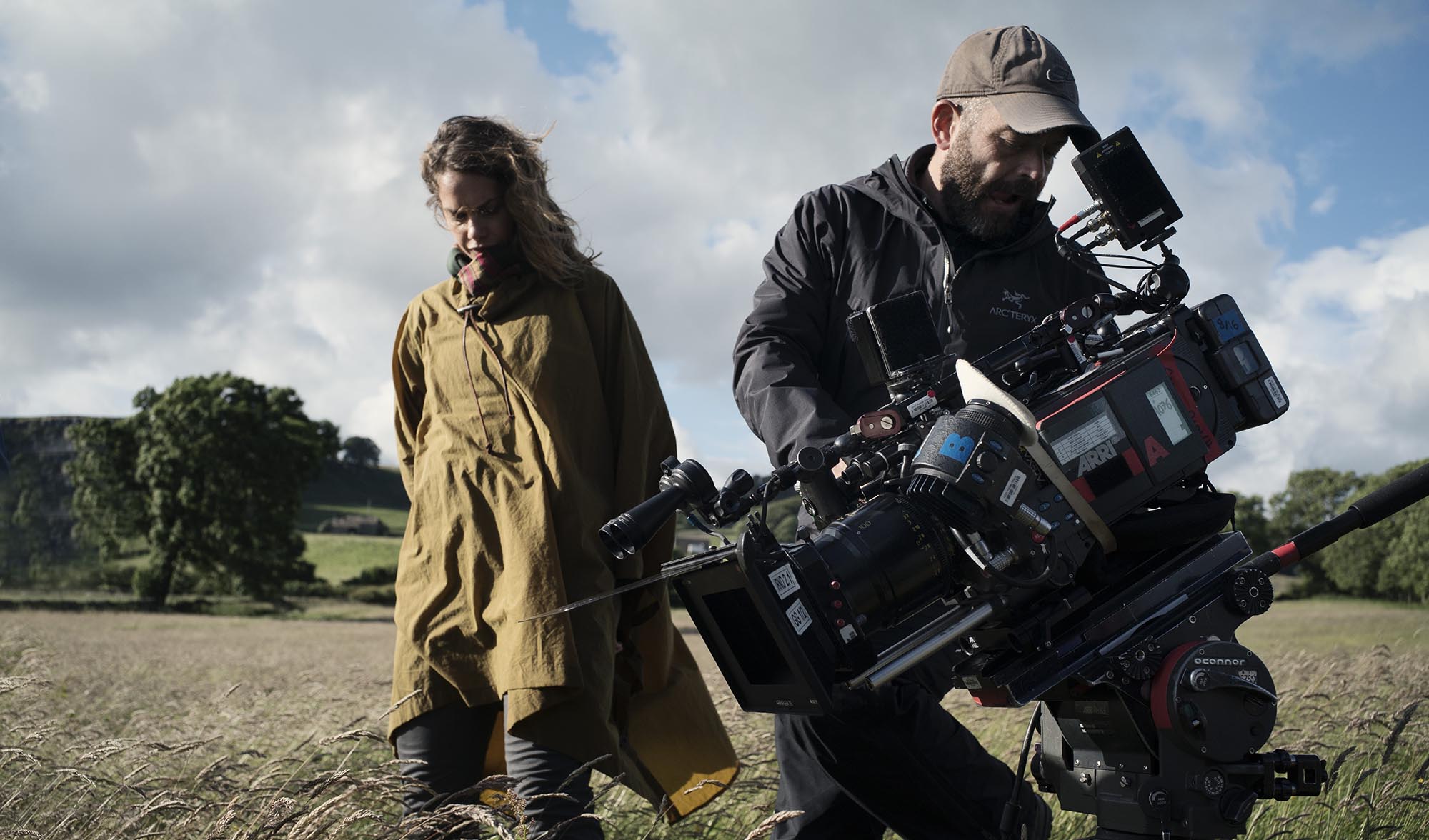
In recent years the pipeline has shifted to new titles. Emerald Fennell’s Wuthering Heights used the Yorkshire Dales for principal photography in 2025 and 2026. Dragonfly, backed by the Yorkshire Content Fund, screened at the Leeds International Film Festival in 2025. Additional supported projects include Virdee and The Choral, both filmed on location and at Church Fenton. These productions keep the studio booked and the local crew base active across seasons.
Studio Expansions and Future Development
Church Fenton Studios has progressed beyond the original 2014 conversion. Planning approvals secured in 2024 cleared the way for additional sound stages under the Create Yorkshire project. The new facilities will increase hangar capacity and provide dedicated post-production suites. Core assets remain unchanged: three hangars, nearly 100,000 sq ft of production space, and the 440-acre back lot. The expansion keeps the site viable for larger international shoots while preserving the rural setting that originally attracted producers seeking privacy and quick access to Leeds and York.
Screen Tourism and Economic Impact
Screen tourism in North Yorkshire continues to grow year-on-year. Visitors cite filming locations in the Dales and Bradford as factors in travel decisions. Bradford’s status as a UNESCO City of Film and its designation as UK City of Culture 2025 have amplified the effect. Hotels and restaurants near Church Fenton report steady bookings tied to production schedules. The pattern mirrors earlier successes with Peaky Blinders and Victoria, where on-screen exposure translated into measurable footfall for regional businesses.
National Context: UK Production Recovery
UK film and high-end television production spend reached £6.8 billion in 2025, according to BFI statistics, with feature films accounting for £2.8 billion. The figures reflect a 22 percent increase on 2024 and confirm continued inward investment. Yorkshire’s share of that activity remains significant because of its combination of locations, crew depth, and tax relief. The national recovery provides a broader backdrop for why Screen Yorkshire and Church Fenton Studios continue to attract projects that might once have defaulted to London or overseas.
Speaking on filming in the UK, Joyson outlined how Yorkshire in particular has become an increasing force over the past five years. “Film and TV production in Yorkshire has grown faster than anywhere else in the UK, and that includes London and the South East. Employment in the sector has grown by 88% (national average 32%) and turnover is up 247% (nation average 118%) so that gives you some idea of how dynamic the industry is in the region.” Diverse locations, some of the country’s best crew members, and the tax incentives provided by the UK make Yorkshire a cost effective and ideal area in which to conduct film and TV production. And with its ability to help finance film and TV production and its collaboration with Church Fenton Studios, Screen Yorkshire is at the heart of it all. “That’s why we believe we can look forward to welcoming more Oscar-winning films like Phantom Thread and Darkest Hour here in the future.” The combination of all of these factors is helping to further boost Yorkshire’s reputation as a world class center for filmmaking.
