‘120 Beats Per Minute’: Passion is the beating heart of this fest fave
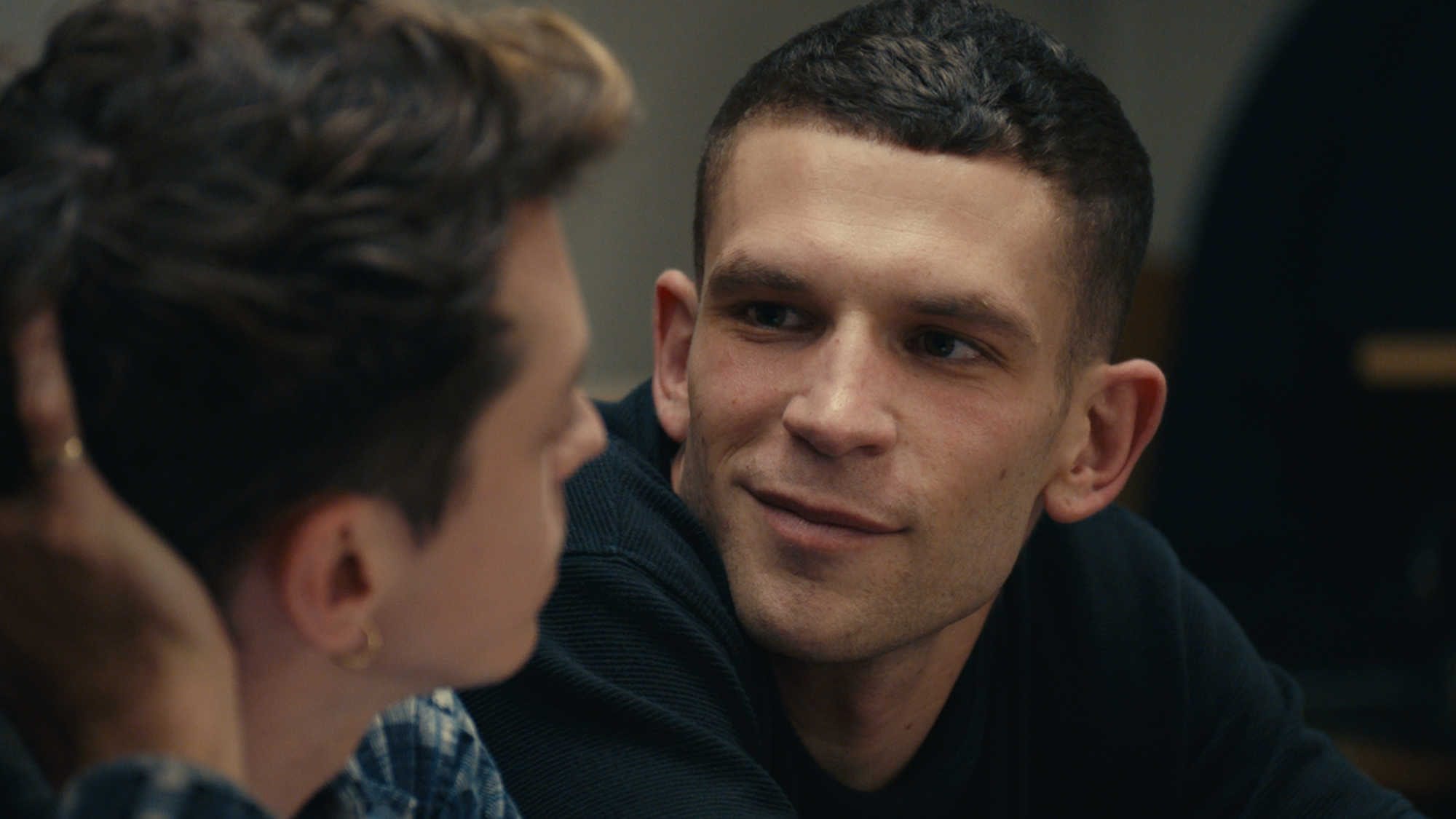
Logline: Activist group in Paris fights through knocks and successes for AIDS awareness. Verdict: This festival favorite, winner of awards at Cannes, Hamburg, and London FFs, is finally hitting our screens this weekend. 120 Beats Per Minute takes an intimate look at trauma and triumph within the early nineties AIDS activist groups. The film comes from director-writer Robin Campillo (Eastern Boys) and centers around a group associated with the Paris chapter of ACT UP, an AIDS awareness campaign. The story mostly follows activist newbie Nathan (Arnaud Valois), who falls headlong into the group and gets stuck in the orbit of radical Sean (Nahuel Pérez Biscayart). 120 Beats Per Minute opens with an inventive sequence to set the tone, as viewer becomes voyeur of the same protest scene from different angles via prolonged debate in a lecture hall. The radicals in the group argue their tactics were appropriate, the scene flashing back and forth between the debate and the reality of their previous actions. The storytelling and structure show real confidence, unafraid to mirror group dynamic through set design, camera work, and clever editing.
Awards and Festival Success
The film swept through the 2017 festival circuit with the Grand Prix, Queer Palm, and FIPRESCI Prize at Cannes. Six César Awards followed in 2018, including Best Film, and France submitted the title for the Academy Awards. Those honors cemented 120 Beats Per Minute as the definitive French-language drama on the ACT UP years, and they still shape how programmers and audiences approach the picture.
Cast and Performances
Nahuel Pérez Biscayart anchors the ensemble as Sean, moving from fury to tenderness in a single cut. Arnaud Valois brings grounded curiosity to Nathan, the newcomer whose perspective guides viewers through the meetings and street actions. The pair’s chemistry fuels the central romance, and recent festival appearances confirm that Pérez Biscayart’s profile has only grown since the shoot.
Critical Reception
Aggregate numbers remain sky-high: 99 percent on Rotten Tomatoes and 84 on Metacritic. Reviewers continue to single out the film’s refusal to soften history with melodrama, praising its clear-eyed look at meetings, funerals, and late-night strategy sessions. The consensus holds that the picture delivers both political urgency and personal intimacy without tipping into sentiment.
Streaming Availability in 2026
Viewers no longer need a festival pass. As of June 2026 the film streams on Amazon Prime Video, MUBI, and fuboTV, and it rotates through free ad-supported platforms including Pluto TV. That spread makes it simple to revisit the ACT UP sequences on any screen, whether for a first watch or a reappraisal after nearly a decade.
Director's Personal Connection to ACT UP
Robin Campillo drew the screenplay from his own time as an ACT UP militant in the nineties. He co-wrote with Philippe Mangeot, another former member, and the script incorporates moments from Campillo’s experience caring for a partner who was dying. Those details give the lecture-hall debates and apartment scenes a lived-in texture that outside observers rarely capture.
Nahuel Pérez Biscayart's Career Since BPM
Since the release, Pérez Biscayart has stayed busy on the festival circuit. He joined the 2025 Un Certain Regard jury at Cannes and appeared in No Love Lost and Kill the Jockey in 2024. Those credits keep his name circulating among programmers who first noticed him as Sean, extending the reach of the performance that put him on the map.
Enduring Legacy and Relevance
Recent festival notes observe that the film still functions as a reminder to honor the activists who forced public attention onto the AIDS crisis. Its focus on memory and survival resonates whenever new health emergencies surface, and programmers continue to slot it into programs that trace the long arc of queer activism.
The slower second half tests patience, yet the same sequences that drag also build the weight of loss and resolve. Levity surfaces in small moments, whether activists tease a photographer or trade quiet affection in cramped apartments. Those flashes keep the story human while the larger fight plays out. The result is a film that asks viewers to stay with its characters long after the meetings end, and the invitation still lands with force.