



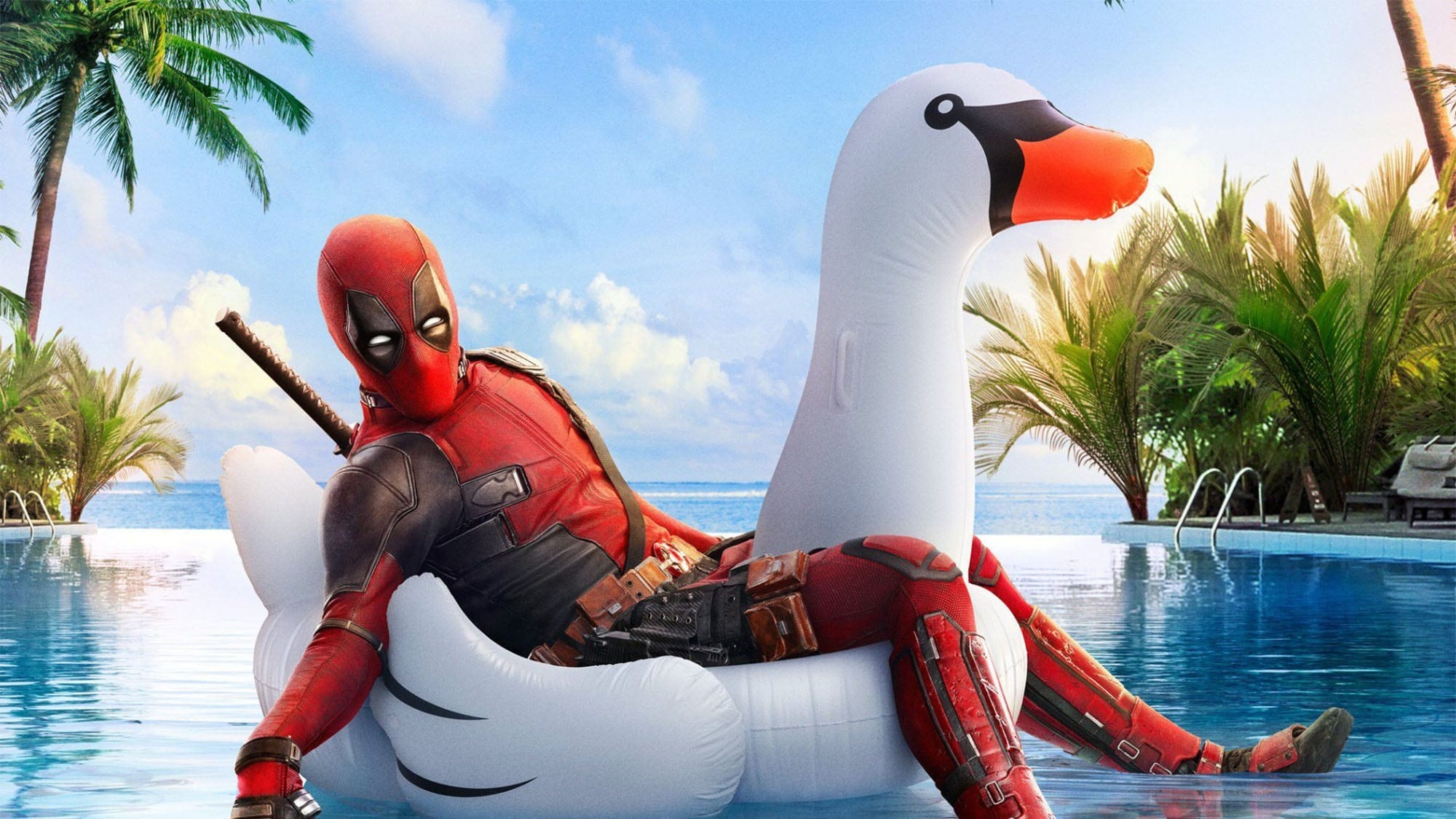
Why superhero movies hinder original ideas
Superhero films still command the largest marketing budgets and the most consistent global distribution deals, yet the numbers tell a more complicated story than the blanket dominance once taken for granted. Studios keep the machinery humming because the IP already exists and the merchandising pipeline is locked in, but audiences have grown selective. The same year that produced no superhero release above seven hundred million worldwide also marked the first time in fourteen years that none of the domestic top four belonged to the genre. Even titles that cleared the critical bar, such as Thunderbolts, landed below earlier franchise benchmarks, signaling that brand recognition alone no longer guarantees an automatic windfall.
Original films continue to surface as counterweights. Get Out and A Quiet Place proved that lean, high-concept stories can break through when the execution lands. More recent data shows non-franchise titles again claiming early 2026 chart positions, with industry trackers noting a modest rebound for originals after several lean years. The pattern suggests viewers will still turn out for something that feels new, provided the studio gives the project room to breathe.
When addressing the problem with superhero movies, director David Fincher once stated, “Look, there’s a very large talent pool of people who are—don’t feel there’s much for them in terms of sustenance (working for Marvel). And I think that if we can make a playground for them that is thoughtful, adult, interesting, complex, challenging stories and figure out ways to pull them into it, there’s a chance at something that isn’t lassoed and hogtied by three acts.” The comment, now several years old, remains the most frequently cited observation on the topic, and the structural issues Fincher described have not disappeared.
Signs of Superhero Fatigue and Market Correction
Box-office analysts began flagging audience pushback after a string of expensive entries failed to match prior peaks. The absence of any superhero film clearing seven hundred million worldwide in 2025 reversed a run that stretched back to 2011. Domestic charts reinforced the shift, with no superhero title finishing inside the year’s top four for the first time since the early 2010s. Even projects that earned stronger reviews, such as Thunderbolts, posted results that fell short of internal forecasts, prompting quiet conversations about whether blanket release strategies still pay off.
Studio Strategies in a Post-Peak Era
Despite the 2025 dip, planning documents for 2026 show continued reliance on franchise titles. Global box-office projections sit near thirty-five billion dollars, and the bulk of that figure is expected to come from established properties. Avengers: Doomsday and a new Spider-Man installment anchor the slate, while executives privately describe the previous year as a litmus test rather than a permanent retreat. The approach appears to be calibrated caution paired with long-term brand protection rather than wholesale abandonment of the model.
The Rise of Strong Originals in Recent Years
Early 2026 data already shows original stories capturing meaningful theatrical traction. Hollywood Reporter tracking indicates that non-franchise releases have posted stronger opening weekends than comparable titles from the prior two years. Insiders point to improved marketing discipline and lower production costs as factors that let these films compete without needing to outspend the largest superhero campaigns. The trend has renewed optimism that 2026 could mark a modest rebalancing rather than another year of franchise-only visibility.
Talent Migration and Alternative Storytelling Platforms
Directors and writers continue to weigh the trade-offs Fincher outlined. Many now split their time between selective theatrical originals, prestige streaming series, and limited series that allow for tonal complexity without the three-act mandate. The same talent pool once funneled almost exclusively toward franchise work now finds sustained employment on projects that prioritize character over set pieces. Studios have responded by green-lighting a handful of adult-skewing titles outside the superhero pipeline, though these remain exceptions rather than the rule.
The conversation around superhero dominance has therefore shifted from outright monopoly to measured coexistence. Box-office results from 2025 demonstrated that the genre can still draw crowds when the material connects, yet the same data also showed that connection is no longer automatic. Original films have carved out space where execution and cost align, and talent continues to seek outlets that reward narrative ambition. The landscape remains competitive rather than closed, which keeps the pressure on every release—franchise or otherwise—to earn its audience rather than assume one.
