



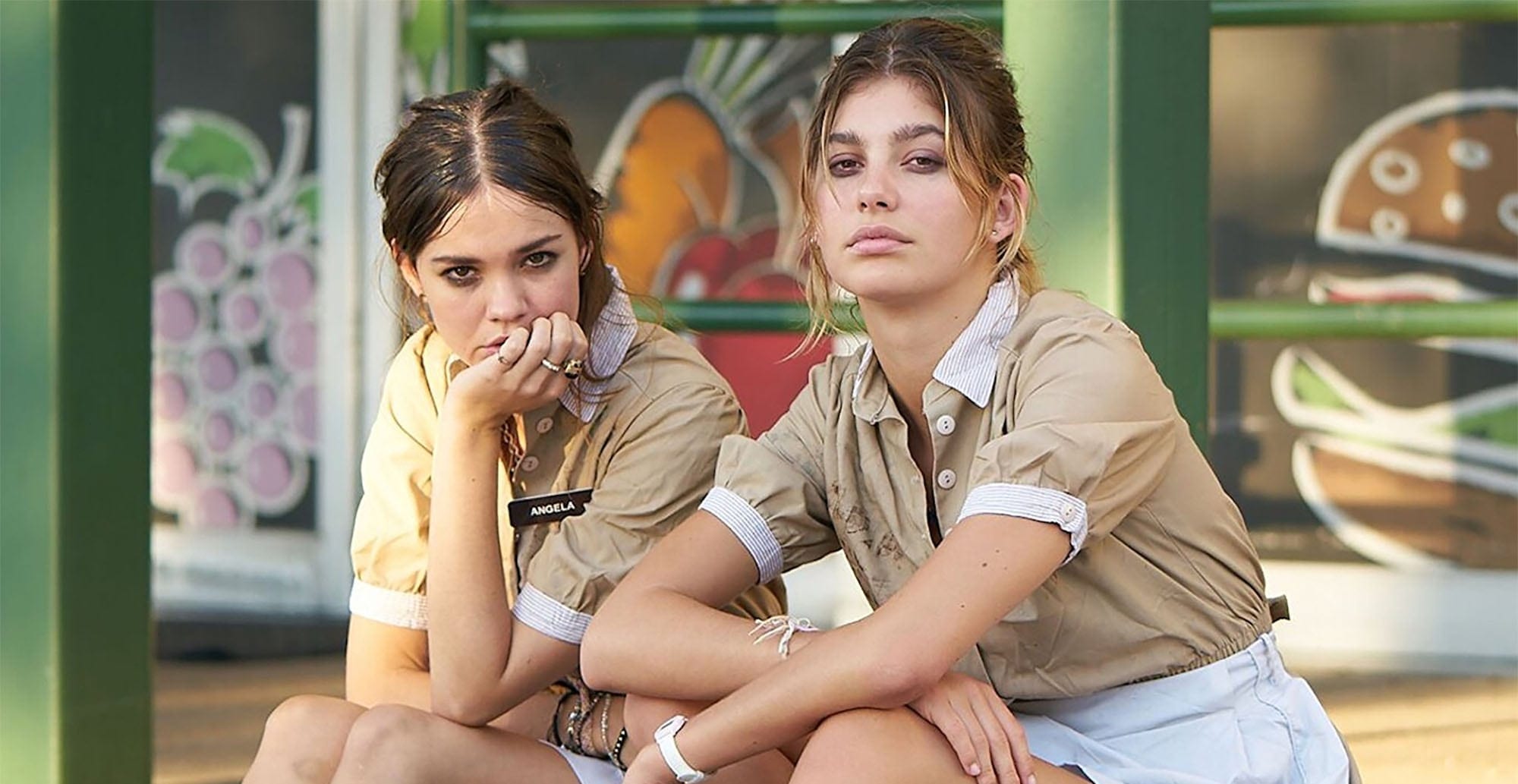
A look back at the highlights of Sundance London 2018
Sundance London 2018 offered a compact European window into the Park City slate, and the edition made its priorities clear from the start. Seven of the twelve features came from women directors, a figure that landed right around the fifty-eight percent mark cited in contemporary coverage. The programming leaned into the #WhatNext campaign, a prompt that asked what the industry owed its female storytellers after years of underrepresentation. Three titles stood out for their range and visibility: Amy Adrion’s documentary Half the Picture, Debra Granik’s Leave No Trace, and Jennifer Fox’s autobiographical opener The Tale.
Legacy of the #WhatNext Campaign
The question posed in London echoed across the festival circuit that year. #MeToo and Time’s Up had already begun reshaping public conversation, and Sundance placed its programming weight behind the same push for equity. The Institute kept the momentum alive through women-focused labs, fellowships, and annual inclusion studies that tracked participation numbers long after the London run ended. Those programs still operate, and the data they collect continues to inform selection and funding decisions at the main event.
Evolution of Sundance London
The 2018 edition sat inside a short but steady run of international showcases. Sundance London first appeared in 2012 and returned on an irregular schedule through 2019, moving between The O2 and Picturehouse Central. After the final London program closed, the Institute shifted resources back to Park City and its growing slate of year-round initiatives. The London series therefore functions as a finite chapter rather than an ongoing outpost.
Ongoing Relevance of Highlighted Films
Half the Picture found a steady second life on Kanopy and in international broadcasts, giving new audiences access to Adrion’s survey of women behind the camera. Leave No Trace has kept its profile through 2024 retrospectives and director Q&As that revisit Granik’s understated approach to family and survival. The Tale remains a reference point in discussions of autobiographical nonfiction, its layered structure still cited in festival panels and academic settings. Each film has therefore outlived its initial festival slot.
Changes at the Main Sundance Festival
While London wrapped its run, the Park City festival itself has entered a period of transition. The 2026 edition marks the final year in Utah before the event relocates to Boulder, Colorado in 2027. That move will alter logistics for programmers, press, and attendees who have long treated Park City as the default January destination. The relocation also arrives alongside continued efforts to expand the pipeline for women and nonbinary filmmakers, an institutional thread that traces directly back to the #WhatNext framing on display in London eight years earlier.
Looking across the 2018 slate, the London program captured a moment when Sundance used its European platform to test how far the #WhatNext prompt could travel. The numbers on female directors, the choice of opening-night title, and the subsequent life of those films all point to a festival willing to track its own rhetoric against measurable outcomes. The London chapter closed, yet the questions it raised continue to shape Sundance programming decisions on both sides of the Atlantic.
