



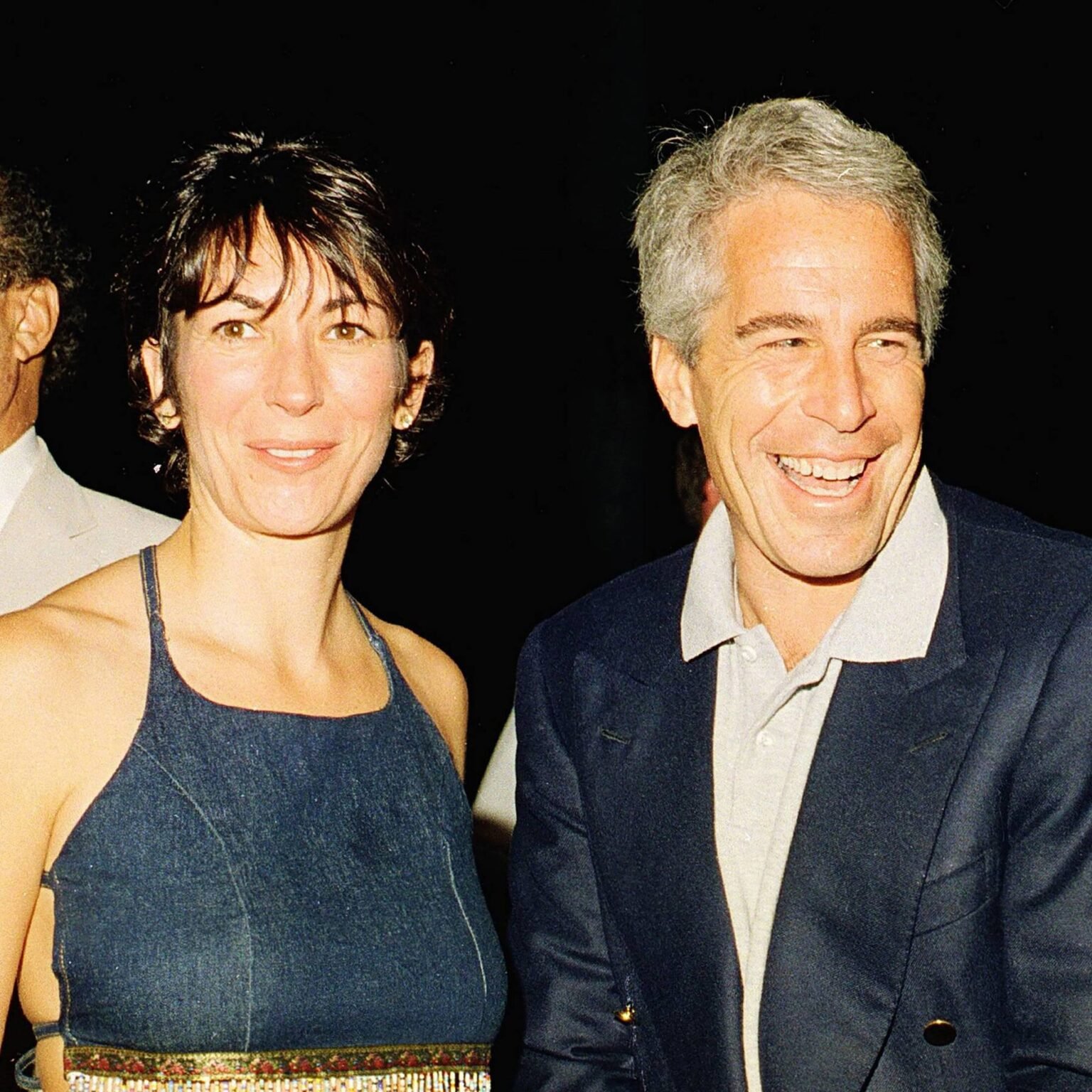
Did Ghislaine Maxwell deny knowing about Jeffrey Epstein’s sex ring?
The 2016 deposition from the Virginia Giuffre defamation suit against Ghislaine Maxwell stayed under seal for years until the Second Circuit lifted the confidentiality order and allowed public access. The transcript captured Maxwell answering questions under oath about her role with Jeffrey Epstein and the network of young women who moved through his properties.
Maxwell was arrested in New Hampshire in July 2020 and later convicted on five federal counts tied to sex trafficking. She received a 20-year sentence in June 2022 and a $750,000 fine. Appeals through the Second Circuit and the Supreme Court were denied, leaving the conviction and sentence in place.
The released transcript runs 421 pages and shows repeated denials and memory lapses when Maxwell was pressed on specific events. The questions focused on recruitment, travel, and the handling of minors who spent time with Epstein.
How the deposition was released
Judge Loretta Preska ordered the transcript unsealed in 2020 after the appeals court rejected Maxwell’s attempts to keep it private. The defense claimed the release would prejudice her criminal case and violate self-incrimination protections, but the court called those arguments meritless. The document became public on October 22, 2020. A later batch of related Giuffre v. Maxwell materials was unsealed in January 2024, adding more context to the same civil record.
Giuffre had sought the transcript since March 2019. Maxwell’s team argued that disclosure would damage her standing with future jurors, yet the court prioritized public interest in the civil allegations.
What did Maxwell say?
Maxwell answered most questions about Epstein’s activities with minors by saying she did not recall or did not know. She denied witnessing Epstein engage in sexual activity with anyone under 18. When asked directly about sex trafficking, she told Giuffre’s lawyers she was “not aware of what you’re talking about.” Prosecutors later cited those answers when they charged her with perjury elements in the criminal case that ended in conviction on sex trafficking conspiracy counts.
She also stated she had no knowledge of how Epstein earned his money and claimed she never observed anything illegal. The transcript shows her calling Giuffre a liar multiple times and refusing to engage with details about specific encounters.
Redacted questions & answers
Large sections of the transcript remain blacked out, including full paragraphs and several pages. Redactions covered victim identities and some associate names. Later document releases in 2024 included additional exchanges from the same case that had been withheld earlier, giving researchers more names and dates without lifting every prior seal.
Among the visible but still limited exchanges, lawyers asked about Epstein’s flight logs, an incident involving a puppet, and Giuffre’s time in London. Those passages stayed heavily edited even after the 2020 release.
Revelations from uncovering redacted names
Reporters at Slate matched redacted names in the index to known figures by studying alphabetical order. One exchange involved Prince Andrew. Maxwell stated that the prince “doesn’t even know who Virginia Roberts is” and added that it would be difficult for him to have sex with someone he did not know. A widely circulated photograph shows Giuffre, Maxwell, and Prince Andrew together, with the prince’s arm around Giuffre’s waist. Giuffre and Prince Andrew later reached a civil settlement. In March 2024, Giuffre issued a statement addressing the accuracy of some earlier allegations involving other associates.
Other deduced names included Bill Clinton, Alan Dershowitz, Jean-Luc Brunel, Eva and Glenn Dubin, Leslie Wexner, and Kevin Spacey. These references appear in the transcript but receive no substantive answers from Maxwell.

Maxwell's Criminal Conviction and Sentencing
Maxwell went to trial in November 2021 on charges that included sex trafficking conspiracy. The jury convicted her on December 29, 2021, of five counts. On June 28, 2022, she received 20 years in prison and the $750,000 fine. The Second Circuit upheld the verdict in September 2024. The Supreme Court declined to hear the case on October 6, 2025, ending her appeals.

Maxwell's Current Incarceration and Prison Transfer
Maxwell began serving her sentence at a facility in Florida. In August 2025 she was moved to the Federal Prison Camp in Bryan, Texas, a minimum-security camp. In June 2026, staff from the House Judiciary Committee visited the camp to review conditions and the circumstances of the transfer. The committee later issued statements questioning the move.

Later Document Releases and Maxwell's 2025 DOJ Interview
After the 2020 deposition release, additional Giuffre v. Maxwell files were unsealed in January 2024. In July 2025 the Department of Justice released redacted transcripts from a proffer interview conducted with Maxwell. Those materials contain further references to associates and properties but maintain many of the same restrictions on victim names that appeared in the earlier transcript.

Virginia Giuffre's Later Developments
Virginia Giuffre remained the central plaintiff in the civil case that produced the 2016 deposition. She died by suicide in April 2025. Her posthumous memoir was published in October 2025 and revisited the claims she made against Maxwell and Epstein. The memoir added personal context to the long legal record without reopening the criminal proceedings.
The 2016 deposition supplied prosecutors with statements that factored into the perjury counts at Maxwell’s criminal trial. While many answers stayed vague or redacted, the later conviction and upheld sentence replaced earlier uncertainty with a final legal outcome.
