



Cannes 2018: Find out why the old model of Cannes is changing
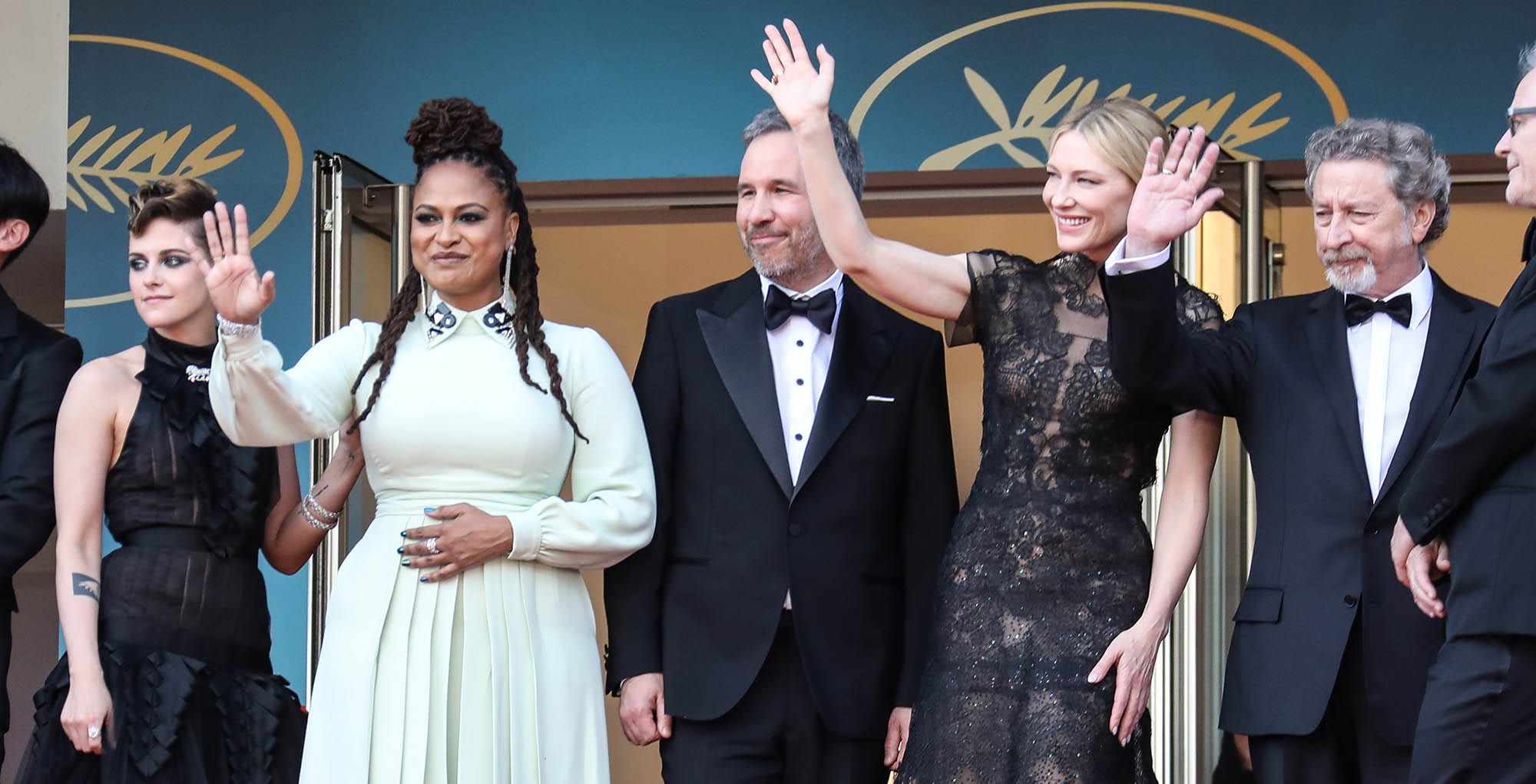
Grab yourselves some bunion pads, a $5000 “statement” outfit, and put that cell phone away for goodness’s sake (no selfies allowed!) because the 71st Cannes Film Festival is well and truly underway. We’re day four into the old guard of the film fest world and the French Riviera is abuzz with excitement, as we’re sure you are to. We bet you’ve barely slept a wink this week, just desperately waiting to hear about jury president Cate Blanchett’s dangerously plunging cutaway blazer paired with osteoarthritis-inducing high heels. We know – it’s all we can think about too . . . * The festival opened with Asghar Farhadi's psychological thriller Everybody Knows, a rather ironic title to follow the runup to the event, where the Cannes team continued to add draconian layers to its already outdated rules. Introducing a ban on press screenings, red carpet selfies, and Netflix from competition, you could argue that with regards to Cannes, nobody knows much at all. While we could easily spend days discussing Cannes’s questionable decision-making, we do like to keep you informed and there is of course a smorgasbord of cinematic talent introducing new work at the prestigious event. As such, we’ve decided to look at the deals, the drops, and the most WTF moments of the 2018 Cannes Film Festival so far:
Female-led films
The 2026 Competition featured five female-directed titles out of twenty-one or twenty-two total films, landing around twenty-two to twenty-four percent. That number sits slightly above the 2018 tally of three out of seventeen, yet still trails the broader festival average of roughly thirty percent women directors across all sections. Un Certain Regard posted the strongest showing, with ten of its nineteen films directed by women, the highest share recorded at the festival in recent years. Short film competition edged closer to parity, with four of ten entries credited to female filmmakers. Nadine Labaki, Eva Husson, and Alice Rohrwacher remain cited in historical tallies, but current lineups reflect incremental gains rather than sudden overhaul. The Hollywood Reporter noted that institutional programs introduced after 2018 have helped surface emerging directors who previously lacked market visibility. Sony Picture Classics has acquired North American rights to several recent titles, continuing the pattern of festival-to-distribution deals that began with Capernaum. Wanuri Kahiu’s Rafiki screened in a parallel section and drew renewed attention for its handling of queer themes under regional censorship pressure. IndieWire observed that reviews praised the film’s ability to update familiar romance tropes with local context. Cate Blanchett’s attempt to deflect the issue by instead pointing to the female-majority makeup of this year’s jury echoed earlier remarks that selection committees were shifting. Progress remains gradual, with programming decisions still shaped by long-standing industry pipelines.
The deals
The Cannes market continues to evolve with streaming and theatrical models coexisting, though the old volume of pre-sales has thinned. IndieWire tracked multiple 2026 acquisitions, including titles that moved to Kino Lorber after strong Un Certain Regard or Critics’ Week screenings. Neon maintained a sizable presence with several films on its slate, echoing its earlier move into foreign-language titles when it picked up Ali Abbasi’s Border. Penelope Cruz and Ricardo Darín appeared in Everybody Knows, which Focus Features acquired the rights to this week after director Asghar Farhadi insisted on theatrical windows. The Picture Book by Jean-Luc Godard remained a talking point for its unconventional release proposals, though Netflix ultimately stayed outside the main competition. Miramax CEO Bill Block stating interest in Guy Ritchie’s Toff Guys reflected the studio’s continued appetite for mid-budget genre fare with international appeal. The Secret in Their Eyes star Ricardo Darín and Vanilla Sky lead Penelope Cruz helped anchor that earlier Focus deal, illustrating how star power still factors into market conversations. Amazon stepped back from certain U.S. rights on The Man Who Killed Don Quixote after Terry Gilliam’s health scare, leaving the title available for other distributors. The broader transition from traditional DVD and television licensing revenue persists, pushing buyers toward flexible windows and hybrid release strategies.
Institutional Leadership and Gender Initiatives
Iris Knobloch became the first woman festival president in 2022, marking a visible shift in leadership structure. The Lights on Women’s Worth Award launched in 2021 to provide production support for emerging female directors at earlier career stages. Kering Women In Motion program continues to spotlight women across creative and technical roles through panels and mentorship events held during the festival. These initiatives sit alongside existing industry efforts but focus more explicitly on pipeline development rather than solely on red-carpet visibility. Programming teams have cited the programs as one factor in the modest rise in female-directed titles across sidebars. Observers note that sustained funding and consistent selection criteria will determine whether the gains hold beyond single editions. Festival organizers have paired the awards with market-facing panels that connect directors directly with potential financiers.
Un Certain Regard and Parallel Sections Performance
Un Certain Regard posted ten women-directed films out of nineteen total entries in 2026, the highest percentage across any official section that year. The sidebar’s emphasis on first and second features has historically surfaced directors who later move into Competition, making its gender balance a useful early indicator. Short film competition approached parity with four of ten entries directed by women, a narrower gap than in previous cycles. Critics have pointed out that parallel sections often carry less commercial pressure, allowing programmers more room to balance lineups. Several titles from these sections later secured distribution deals, reinforcing their role as discovery platforms. Festival data shows that women-directed films in Un Certain Regard received comparable critical attention to male-directed entries when measured by review volume. The pattern suggests that expanding opportunities in sidebars can feed upward into main Competition over multiple years.
Market Acquisitions and Distribution Trends 2026
IndieWire tracked multiple 2026 acquisitions including titles sold to Kino Lorber after festival premieres. Neon maintained significant presence with multiple films at the festival, continuing its strategy of building an international slate through Cannes and other markets. Distributors reported that hybrid release models, pairing limited theatrical runs with later streaming windows, now dominate negotiations. Buyers noted that traditional television licensing revenue has not recovered to pre-streaming levels, keeping pressure on upfront guarantees. Several deals closed after strong word-of-mouth from press and industry screenings rather than from large-volume pre-sales. The market floor remains active, though the pace of announcements has slowed compared with earlier decades. Newer entrants alongside established players have kept competition lively for mid-budget titles with clear theatrical potential.
Ongoing Geopolitical and Social Context
The 2025 edition included official statements on Gaza violence and a filmmaker letter addressing regional conflict. Festival leadership has addressed broader industry and world events in recent years through curated programs and public remarks. Organizers have balanced these statements with the event’s commercial role, maintaining focus on film transactions while acknowledging external pressures. Industry participants have noted that geopolitical context can influence attendance patterns and financing conversations without altering core programming criteria. The festival continues to serve as a platform where both artistic and political currents intersect, even as daily market activity proceeds. Observers expect similar statements in future editions when global events warrant public response.
Dealing with the Cannes bans
Netflix exclusion from main competition remains in place due to French theatrical window rules, a policy unchanged since its introduction. Selfie ban on red carpet continues to be strictly enforced in 2026 despite partnerships with platforms like Meta. Press screening policies have stabilized without major recent disruption noted, though some journalists still prefer advance access. Thierry Frémaux pointed out that the rules aim to preserve the primacy of gala screenings over secondary viewings. IndieWire reported that the environment has adapted without losing daily buzz cycles. The combination of longstanding restrictions and newer enforcement measures keeps the Croisette operating under tighter public-image controls than many comparable festivals. Attendees have largely adjusted to the parameters, with occasional work-arounds appearing in side events rather than on the main red carpet.
