Super Bowl: Trailers dominate; Netflix disrupts the game
Super Bowl Sunday has long doubled as a proving ground for Hollywood hype, and the 2018 edition delivered a particularly strange mix of old-school spectacle and new-school disruption. Trailers still ruled the commercial breaks, yet one streaming service decided the biggest flex was skipping the tease altogether. That single decision continues to echo through how studios and platforms test audience patience and appetite years later.
The Cloverfield Paradox pulled off a big stunt – did it cheapen the movie?
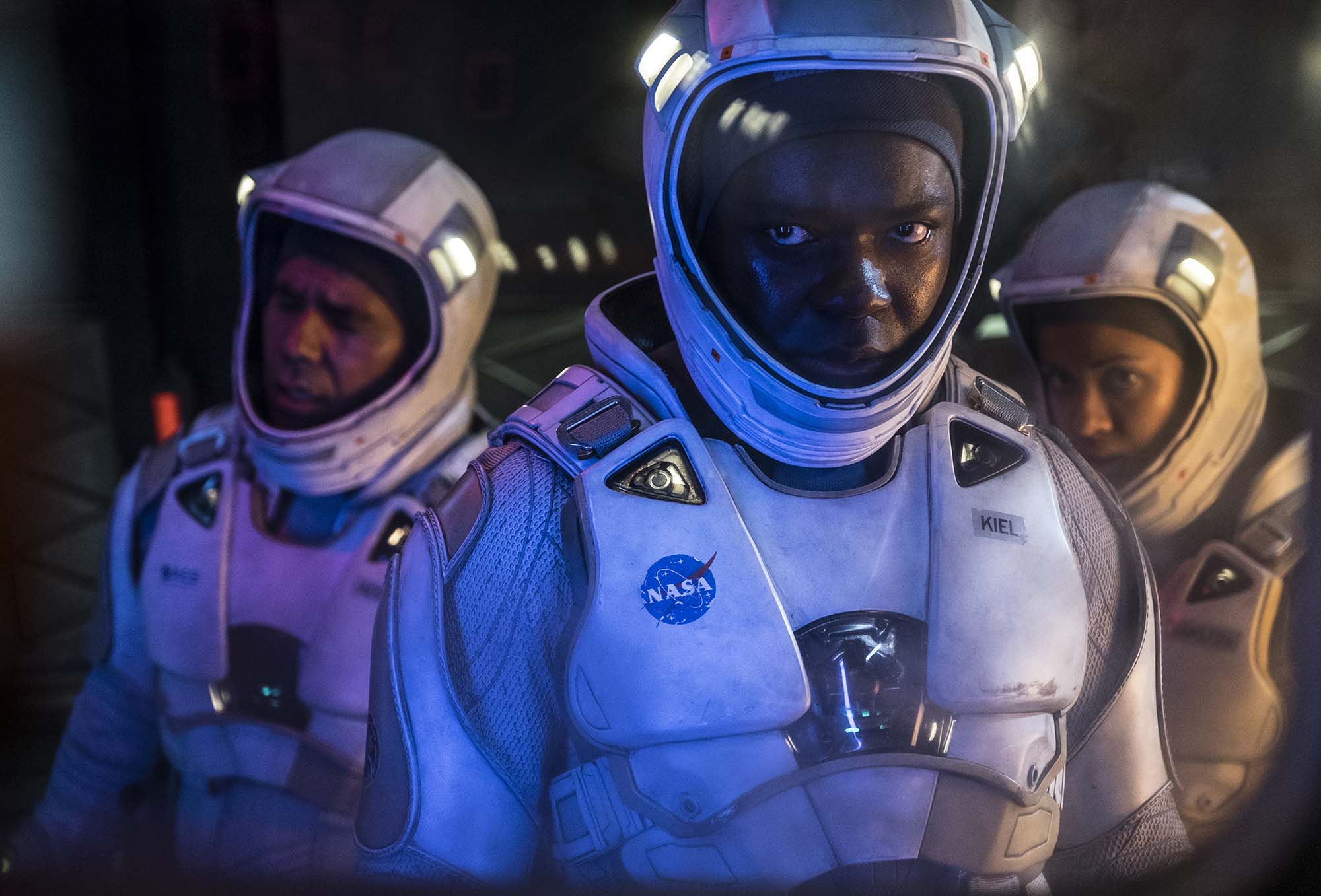
In a groundbreaking play, Netflix released a trailer for The Cloverfield Paradox during the Super Bowl to announce the movie was available on the streaming service directly following the game. This unprecedented strategy was implemented following a total lack of marketing for the movie, meaning the Super Bowl trailer acted as the first official announcement of the movie’s title, distributor, and footage. Though “Millennial audiences love surprises” as Deadline noted, it’s worth adding not everyone loved the “stunt”. In their review for The Cloverfield Paradox, The Hollywood Reporter sneered, “It comes to this: Movies treated like high-profile advertisements, slotted into post-Super Bowl premieres as if they’re ads for corn chips or high-fructose sodas.” That’s certainly one way to look at it. However, there’s no denying Netflix is the first streaming service to pull such a strategy of releasing a movie so soon after its announcement. The streaming service once again proves itself a maverick in experimentation with how audiences engage with content.
The surprise tactic has not been widely repeated by streamers. Film performed modestly on Netflix with five million first-week viewers but faced ongoing criticism for plot issues. The move remains a singular footnote rather than a template, and the film’s modest numbers did little to quiet the debate over whether the stunt overshadowed the actual story.
Super Bowl movie trailers delivered major thrills by revealing the least amount possible
While sports fans enjoyed a pigskin being flung around a field, film fans eagerly awaited the never-before-seen trailers in the Super Bowl commercial breaks. Suffice to say, some were more sensational than others – though they all managed to stir certain corners of social media into respective frenzies. One such trailer was the first glimpse of Mission: Impossible – Fallout. The sixth installment from the franchise revealed intrigue, death-defying stunts, and Henry Cavill’s facial hair (surely deserves its own starring credit). A short teaser for Disney’s Avengers: Infinity War revealed scarcely any fresh detail, while a new Jurassic World: Fallen Kingdom commercial revealed more dino-sized carnage than fans had yet seen from the movie. By far the most impressive of the lot, though, was the first trailer for Solo: A Star Wars Story. Showing a squealworthy glimpse of Donald Glover in an appropriately sassy fur as Lando Calrissian, the teaser marked the end of months’ worth of speculation on when fans would be treated to a first look at the movie.
Trailers for Mission: Impossible – Fallout, Avengers: Infinity War, Jurassic World: Fallen Kingdom, and Solo: A Star Wars Story aired during Super Bowl LII. Those spots now read as a snapshot of a particular marketing moment when mystery still carried weight and platforms had not yet settled into the current rhythm of constant updates and extended footage drops.
Evolution of Super Bowl trailer strategies post-2018
Super Bowl 2026 included trailers for The Mandalorian & Grogu, Project Hail Mary, and Netflix's Cliff Booth teaser. Marvel notably absent from 2026 spots for the first time in years. Studios appear more selective about which projects receive the big-game treatment, while streamers have learned to mix traditional spots with quieter, data-driven pushes. The 2018 surprise drop set a high bar for attention, yet most platforms now favor staggered reveals that stretch across weeks rather than single, high-stakes moments.
Netflix's changing approach to big releases and theatrical windows
Netflix opting for theatrical release on Feb 12, 2027 for Greta Gerwig's The Magician's Nephew before streaming in April. Reduced number of original movie releases in early 2026 compared to prior years. The service that once favored immediate drops now tests hybrid windows for select titles, weighing prestige against subscriber habits. The shift reflects both internal data and external pressure from exhibitors who want a seat at the table on major releases.
Long-term reception and legacy of The Cloverfield Paradox
Film drew five million viewers in first week on Netflix. Critics consensus highlights muddled story despite strong cast; often ranked lowest in franchise. The stunt drew eyeballs, yet the picture never escaped the shadow of its own rollout. Retrospective rankings place it at the bottom of the Cloverfield series, and the conversation around its release now serves more as industry cautionary tale than marketing case study.
How streaming services compete for Super Bowl attention today
Paramount+ noted for streaming speed advantages; various services air trailers or promote content during the game. The field has widened since Netflix’s 2018 play, with platforms testing everything from live integrations to post-game exclusives. No single service has replicated the same-day drop, but the broader scramble for eyeballs during the broadcast continues to shape how both studios and streamers time their biggest swings.
The 2018 Super Bowl remains a marker for how quickly release strategies can shift when one platform decides to test the limits. Trailers still dominate the game, yet the rules around when and how those stories reach viewers keep evolving. Netflix proved disruption was possible; the years since have shown that repetition is rarely the winning move.