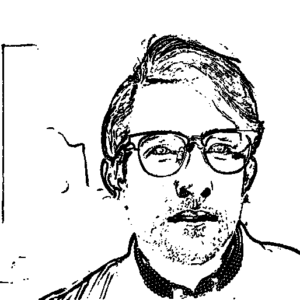
RIP Catherine Anne O’Hara: a comedic legacy
Catherine O’Hara, the beloved Canadian actress whose razor-sharp timing and eccentric flair defined a generation of comedy, has passed away at 71. Reports confirm her death on January 30, 2026, leaving fans and colleagues in quiet mourning.
From her iconic turn as Moira Rose in Schitt’s Creek to the harried mom in Home Alone, O’Hara’s performances blended heartfelt vulnerability with uproarious absurdity, earning her Emmys and a lasting place in pop culture’s heart.
Her legacy endures as a beacon of queer-coded joy and unapologetic individuality.
The SCTV origins
Catherine O’Hara’s journey began in Toronto, where she honed her improvisational skills with the Second City troupe in the 1970s. Joining SCTV in 1976, she created memorable characters alongside comedy greats like John Candy and Eugene Levy, blending satire with heartfelt quirks that foreshadowed her later eccentric roles. This foundation built her reputation as a versatile performer unafraid of bold choices.
Her film breakthroughs came in the 1980s and ’90s, with standout parts in Beetlejuice as the delightfully uptight Delia Deetz and in Home Alone as the forgetful yet loving Kate McCallister. Catherine O’Hara brought depth to these characters, mixing humor with emotional resonance, which resonated with audiences and critics alike, cementing her as a go-to for Tim Burton’s whimsical worlds.
In her later years, Catherine O’Hara captivated a new generation through Schitt’s Creek, earning multiple Emmys for her portrayal of the flamboyant Moira Rose. Collaborating once more with Eugene Levy and her son Dan, the series highlighted her impeccable timing and vocal flair, offering queer-coded representation that fans cherished amid her enduring commitment to authentic storytelling.
Mockumentary mastery
Catherine O’Hara’s collaborations with director Christopher Guest in mockumentaries like Waiting for Guffman and Best in Show showcased her unparalleled ability to blend improvisation with poignant satire. Portraying quirky, relatable characters, she brought authenticity to absurd scenarios, earning critical acclaim for her nuanced takes on human folly and ambition.
In A Mighty Wind, Catherine O’Hara delivered a standout performance as part of a folk music reunion, infusing the role with emotional layers that transcended comedy. These films highlighted her versatility, drawing on her SCTV roots while influencing a new wave of improvisational cinema that prized character-driven humor over slapstick.
Beyond the screen, Catherine O’Hara’s legacy includes mentoring young talent and advocating for authentic representation in media. Her work inspired queer icons and comedians alike, proving that eccentricity could be a superpower in storytelling, leaving an indelible mark on pop culture’s evolving landscape.[1]
Tributes pour in
Following the news of Catherine O’Hara’s passing on January 30, 2026, fans and celebrities alike flooded social media with heartfelt messages, celebrating her unique blend of wit and warmth. Co-stars from Schitt’s Creek, including Eugene Levy, shared anecdotes of her infectious energy on set, while Tim Burton recalled her transformative role in Beetlejuice as a cornerstone of his gothic whimsy. These tributes underscored her profound impact on those who knew her best.
Reports indicate Catherine O’Hara died at 71, with the cause remaining unclear according to initial sources[[1]](https://www.tmz.com/2026/01/30/catherine-ohara-dead). Close friends described her as vibrant until the end, often joking about life’s absurdities in true Moira Rose fashion. This sudden loss has left the entertainment world reeling, prompting reflections on her decades-long career that bridged generations through laughter and empathy.
Amid the mourning, Catherine O’Hara’s family requested privacy, emphasizing her devotion as a mother and wife. Her sons, involved in the industry, echoed her commitment to creative authenticity. As memorials plan to honor her, the outpouring of love highlights how she turned eccentricity into an art form, inspiring countless artists to embrace their quirks unapologetically.
Legacy beyond laughter
Catherine O’Hara’s influence extended far beyond comedy, shaping narratives around family dynamics and self-expression in shows like Schitt’s Creek. Her roles often mirrored real-life struggles with identity and acceptance, providing subtle yet powerful commentary on societal norms. Fans credit her with fostering empathy through humor, turning personal quirks into universal truths that resonated across generations.[[1]](https://www.nytimes.com/2026/01/30/arts/television/catherine-ohara-dead.html)
In voice acting, Catherine O’Hara brought her distinctive flair to animated films such as The Nightmare Before Christmas and Chicken Little, enchanting younger audiences with her versatile vocal range. These contributions highlighted her adaptability, blending whimsy with depth, and ensured her presence in family entertainment long after her live-action triumphs.
As tributes continue, discussions emerge about honoring Catherine O’Hara through scholarships for aspiring comedians, reflecting her mentorship ethos. Her passing prompts a reevaluation of comedy’s role in cultural discourse, emphasizing how her work challenged stereotypes and promoted inclusivity in an ever-evolving industry.[[2]](https://www.king5.com/article/news/nation-world/catherine-o-hara-dead/507-01724bf3-7f5e-46d6-a650-282ba911fc5b)
Final bow
Catherine O’Hara’s final on-screen appearance came in the Apple TV+ series The Studio, where she starred opposite Seth Rogen, earning a well-deserved Emmy nomination for her sharp wit and layered performance. This role capped a career that continually evolved, blending her signature eccentricity with contemporary storytelling, even as health whispers began to circulate among close circles. Fans now revisit these later works, finding fresh appreciation for her enduring ability to infuse depth into every quirky line.
Beyond the spotlight, Catherine O’Hara cherished her family life, marrying production designer Bo Welch in 1992 after meeting on the Beetlejuice set. As the sixth of seven siblings from Toronto, she raised sons Matthew and Luke, both carving paths in entertainment. Her devotion as a mother grounded her amid Hollywood’s chaos, with family sources noting her humorous take on life’s twists right up to the end, embodying the resilience she portrayed on screen.
Reflecting on Catherine O’Hara’s passing, industry peers advocate for memorials that celebrate her trailblazing spirit, perhaps through awards named in her honor. Her 1982 Emmy for SCTV writing and 2020 win for Schitt’s Creek bookend a legacy of innovation, inspiring future comedians to embrace bold, authentic voices. As the world mourns, her work remains a testament to laughter’s power in facing adversity.
Enduring inspiration
Catherine O’Hara’s trailblazing path opened doors for women in comedy, challenging gender norms with her bold, unfiltered portrayals that mixed vulnerability and verve. From her early SCTV sketches to Schitt’s Creek‘s cultural phenomenon, she inspired a cadre of performers like Tina Fey and Amy Poehler, who cited her as a blueprint for authentic eccentricity in an industry often favoring the safe bet. This mentorship, both direct and through her work, fostered a more inclusive space for quirky voices.
Yet, Catherine O’Hara’s impact rippled into broader cultural conversations, subtly advocating for mental health awareness through roles that humanized anxiety and self-doubt with humor. Fans recall how Moira Rose‘s dramatic flair mirrored real struggles, sparking dialogues on identity in forums and podcasts. Her passing on January 30, 2026, at 71, reignites these discussions, with analyses highlighting her subtle influence on queer representation in mainstream media[[1]](https://variety.com/2026/tv/news/catherine-ohara-dead-schitts-creek-home-alone-1236646029).
As retrospectives unfold, Catherine O’Hara emerges as a quiet revolutionary, her legacy etched in awards and the laughter she elicited from diverse audiences. Colleagues push for archival projects preserving her improvisational genius, ensuring future generations study her craft. In this somber moment, her life’s work stands as a reminder that comedy, at its core, heals and unites, even in loss.
A timeless echo
Catherine O’Hara leaves behind a comedic legacy that transcends screens, her wit a balm for the soul in turbulent times. As fans revisit her roles—from SCTV sketches to Moira‘s melodramas—we honor the empathy she wove into every laugh. Rest easy, icon; your quirk endures eternally.[1]