Is Ghislaine Maxwell already naming names to save herself?
Ghislaine Maxwell’s case has moved far beyond the pretrial speculation that dominated headlines in 2020. The original questions about whether she would cut a deal and name names have been answered by the record: a conviction, a long sentence, exhausted appeals, and a 2026 congressional appearance where she declined to identify co-conspirators without clemency. The timeline still begins with her July 2020 arrest, yet every chapter since has shifted the story from anticipation to finality.
After Ghislaine Maxwell’s arrest
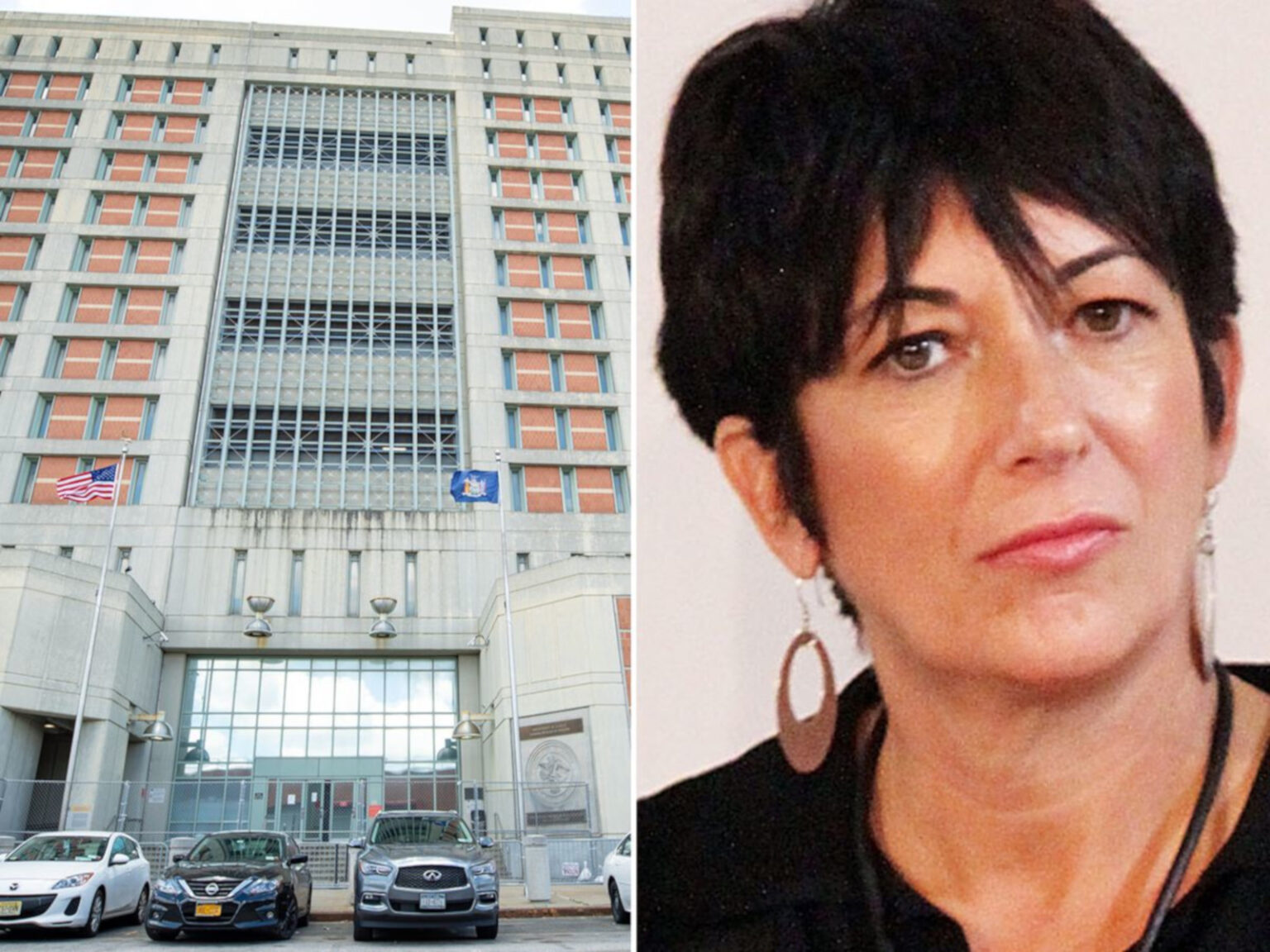
Maxwell was taken into custody on July 2, 2020, at a New Hampshire property where agents found her attempting to avoid detection. She was denied bail two weeks later and held at the Metropolitan Detention Center in Brooklyn while awaiting trial. Those early months were marked by the same public demands that have followed the case ever since: that Maxwell identify others who participated in Jeffrey Epstein’s trafficking operation. Virginia Giuffre’s public statements at the time captured the frustration of survivors who wanted accountability to extend beyond Epstein himself. The arrest details remain unchanged, but the years that followed produced a conviction rather than a negotiated exit.
“Onerous conditions”
Maxwell’s defense team spent 2020 and 2021 arguing that her placement in restrictive housing at MDC Brooklyn interfered with trial preparation. The court heard claims that she was isolated more strictly than other pretrial detainees and that the conditions stemmed from the high profile of the Epstein investigation. Those complaints were litigated before the trial began. After conviction and sentencing, Maxwell was moved through the federal system, first to FCI Tallahassee and then, in August 2025, to the minimum-security Federal Prison Camp Bryan in Texas. Reports from that facility describe dormitory-style housing and fewer restrictions than the Brooklyn jail. The contrast between the 2020 solitary confinement complaints and the current setting underscores how the legal and custodial picture has evolved since the initial arrest coverage.
Special treatment
Questions about preferential treatment resurfaced in 2025 after Maxwell met with Deputy Attorney General Todd Blanche and was transferred to the Texas camp shortly afterward. Lawmakers and victims’ advocates questioned whether the move reflected undue influence. Maxwell’s own emails from the new facility described feeling safer and described the environment as calmer than previous placements. Critics noted that the transfer occurred despite her status as a convicted sex offender and argued that victims deserved greater transparency about the decision process. The debate continues to track the same tension that existed in 2020: whether Maxwell receives different handling than others in the system because of her connections and resources.
Ghislaine Maxwell isn’t the one naming names
Victim lawsuits filed after Epstein’s arrest, including Jennifer Araoz’s civil claim under New York’s Child Victims Act, kept pressure on Maxwell to account for her role. Those cases proceeded alongside the criminal prosecution and added to the public record of recruitment allegations. In February 2026, Maxwell appeared before the House Oversight Committee and invoked the Fifth Amendment when asked about Epstein’s associates. Her attorney indicated she would provide fuller information only if granted clemency or a pardon. The congressional testimony directly tested the long-standing question of whether Maxwell would ever identify others. So far, the pattern has held: victims and investigators have supplied the names that entered the record, while Maxwell has conditioned any further disclosure on relief from her sentence.

Maxwell’s 2021 Conviction and 20-Year Sentence
The speculation that ended with Maxwell’s December 2021 conviction centered on five counts: conspiracy to entice minors, transportation of a minor, sex trafficking conspiracy, and sex trafficking of a minor. Judge Alison Nathan imposed the 20-year term in June 2022, along with five years of supervised release and a $750,000 fine. The sentence reflected the jury’s finding that Maxwell had recruited and facilitated the abuse of underage girls for Epstein over multiple years. That outcome replaced the earlier uncertainty about a possible plea with a concrete judicial determination of guilt.

Failed Appeals and Finality of Conviction
Maxwell challenged both the conviction and the sentence through the federal appellate process. The Second Circuit upheld the verdict and the 20-year term in September 2024. The U.S. Supreme Court declined to review the case in October 2025, leaving the conviction and sentence intact. With those rulings, the legal avenues for overturning the result closed. The finality removed the possibility that Maxwell could avoid accountability through further litigation and set the stage for the clemency discussion that followed.

Prison Transfer and Current Conditions at FPC Bryan
After time at FCI Tallahassee, Maxwell was moved in August 2025 to the minimum-security Federal Prison Camp Bryan in Texas. The lower-security setting offers dormitory housing and fewer movement restrictions than the Brooklyn facility where she was held before trial. Emails attributed to Maxwell described the new location as markedly safer and stated that she felt “much, much happier” there. The transfer drew scrutiny from lawmakers who questioned whether the move was appropriate for someone convicted of sex trafficking offenses. The change in conditions also shifted the conversation away from the pretrial isolation complaints that dominated 2020 coverage.
2026 Congressional Testimony and Clemency Request
Maxwell’s February 2026 appearance before the House Oversight Committee brought the naming-names question back into public view. She declined to answer questions about Epstein’s associates, citing Fifth Amendment protections. Her legal team stated that she would speak more fully if granted clemency or a presidential pardon. The position clarified that Maxwell continues to tie any disclosure to relief from her current sentence. The testimony therefore answered the original 2020 speculation with a clear condition rather than cooperation.
The case now rests on a completed trial, an affirmed sentence, and Maxwell’s stated willingness to provide additional information only in exchange for clemency. Victims continue to seek accountability through civil claims and public statements, while the institutional record reflects the conviction and the limits Maxwell has placed on further disclosure. The trajectory from 2020 arrest to 2026 testimony shows how the question of naming names has been tested and, so far, left unresolved without additional concessions from the government.