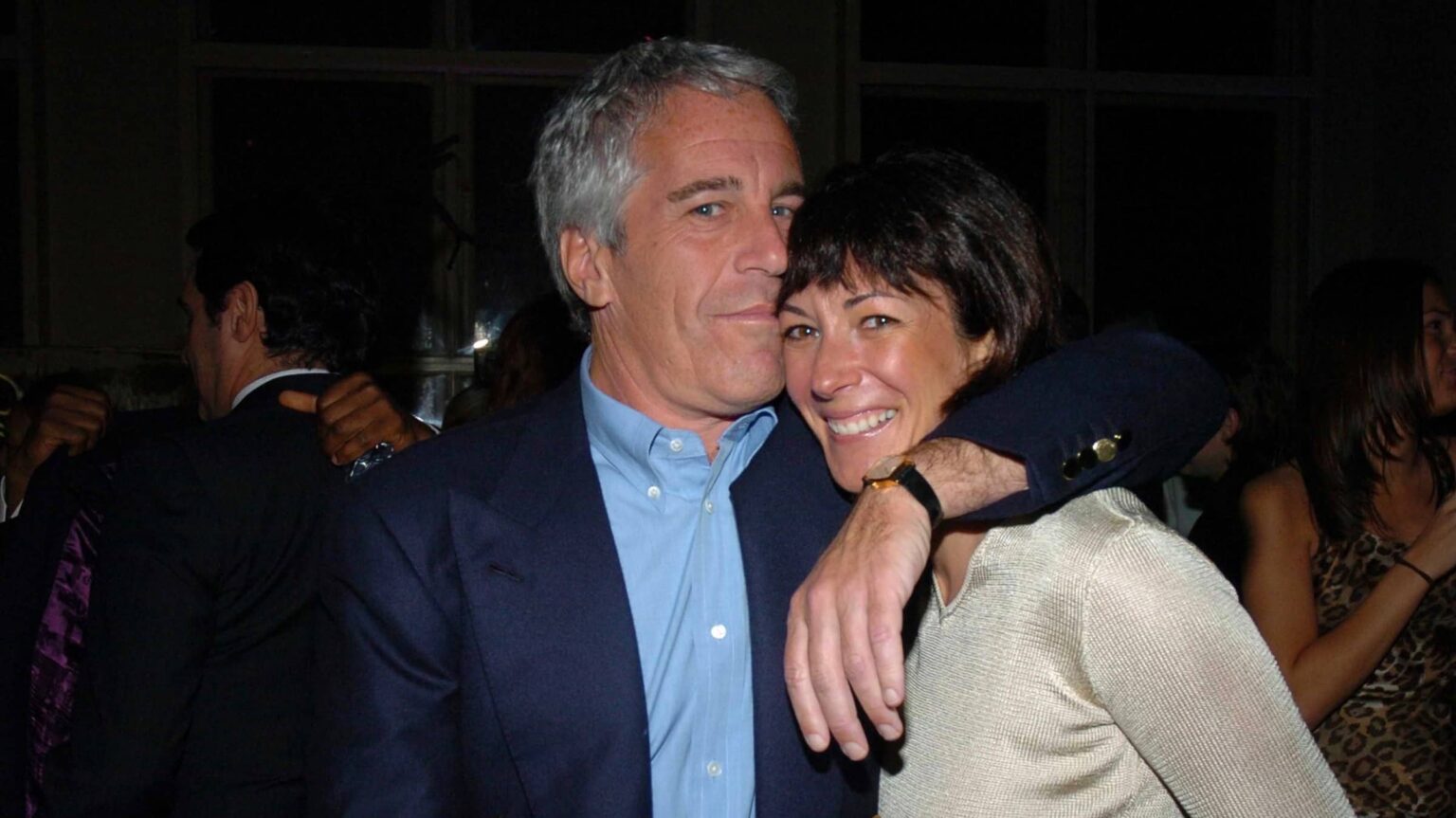
More horror: How Ghislaine Maxwell tortured Jeffrey Epstein’s victims
The Jeffrey Epstein case has continued to unfold through court records and legal resolutions long after Ghislaine Maxwell’s conviction. Virginia Giuffre’s civil claims against Maxwell produced documents that detailed recruitment and abuse, and later releases added scale to those early allegations. The focus remains on the victims who came forward and the financial and institutional responses that followed.
Giuffre v. Maxwell
Virginia Giuffre was contacted by authorities in 2007 regarding Jeffrey Epstein’s sex-trafficking ring. She had been a victim as a teenager, and her account contributed to the earlier FBI case against Epstein. Giuffre filed a civil lawsuit against Epstein in 2009 and also accused Ghislaine Maxwell of recruiting her into trafficking while she was a minor. Epstein settled with multiple victims for undisclosed sums. The defamation litigation between Giuffre and Maxwell continued until they reached a sealed settlement in 2017, with Maxwell reported to have paid millions. Documents from that case were unsealed in 2024, naming more than 150 people. Virginia Giuffre died by suicide in 2025.
Unsealed
The transcripts from Giuffre v. Maxwell describe Maxwell procuring young girls for Epstein and assisting in grooming them for sex trafficking. One witness stated that Maxwell directed a room full of underage girls to kiss, dance, and touch one another sexually for Epstein and Maxwell’s benefit. The same employee recounted breaking down while describing how Maxwell brought a fifteen-year-old girl to Epstein after taking the girl’s passport. The teenager told the witness about Maxwell’s threats and pressure to engage in sex with Epstein. The 2024 unsealing released thousands of pages from the original suit; a separate 2026 Department of Justice release added millions more Epstein-related documents.
Barrage of allegations
Additional witnesses described being recruited directly by Maxwell from school grounds. Another witness said Maxwell called asking for young girls she could provide to Epstein. Two individuals originally subpoenaed by Maxwell’s defense later supported Giuffre instead. One testified that he saw Maxwell escort young girls brought to Epstein’s home for sex acts. Anthony Figueroa, Giuffre’s ex-boyfriend at the time, provided details about the treatment of victims based on what Giuffre had told him. The core allegations from the Giuffre v. Maxwell transcripts, including the passport incident and Figueroa’s account, have not been retracted in later releases.

Victim Compensation and Estate Settlements
Financial resolutions for victims have continued well after the original lawsuit. The Epstein estate agreed to a $35 million class-action settlement in February 2026 to resolve claims of facilitating abuse. An earlier Epstein Victims’ Compensation Program distributed nearly $125 million to approximately 150 claimants before closing. Proposed settlements with financial institutions, including a $72.5 million agreement with Bank of America in 2026, addressed claims that banks ignored suspicious activity connected to Epstein’s accounts. These resolutions followed the pattern of civil actions that began with cases like Giuffre’s.
Virginia Giuffre's Later Life and Legacy
Giuffre sued Maxwell for defamation in 2015; the case settled in 2017. She later founded the advocacy group Victims Refuse Silence to support other survivors. Her testimony and the documents from her lawsuit against Maxwell formed a central part of the public record. After her death in 2025, her family issued statements regarding subsequent Epstein file releases. Giuffre’s legal efforts and advocacy work are referenced in later court filings and compensation proceedings.

Massive 2026 Epstein Files Release
In January 2026 the Department of Justice published over 3 million additional pages, along with 2,000 videos and 180,000 images, under the Epstein Files Transparency Act. The materials include grand jury records, FBI memos, and diagrams of Epstein’s network. Some unredacted victim names prompted privacy concerns among advocates. The 2026 release built on the earlier Giuffre v. Maxwell unsealing and expanded the documentary record available to researchers and the public.

Maxwell's Prison Transfer and Current Status
Maxwell was convicted in December 2021 on five counts, including sex trafficking of a minor and conspiracy. She received a 20-year sentence in June 2022. The Second Circuit upheld the conviction in 2024, and the Supreme Court declined to hear her appeal in October 2025. In August 2025 she was transferred from a low-security facility in Florida to the minimum-security Federal Prison Camp Bryan in Texas. Reports indicate she described herself as much happier at the new location. She has continued to pursue legal avenues, including a 2025 request to vacate or amend her sentence.
The legal record now includes conviction, sentencing, appeals, and multiple rounds of document releases. Victim compensation programs and estate settlements have addressed some of the financial harm described in the original testimony. Virginia Giuffre’s case remains a key reference point in the broader documentation of how Epstein and Maxwell operated.