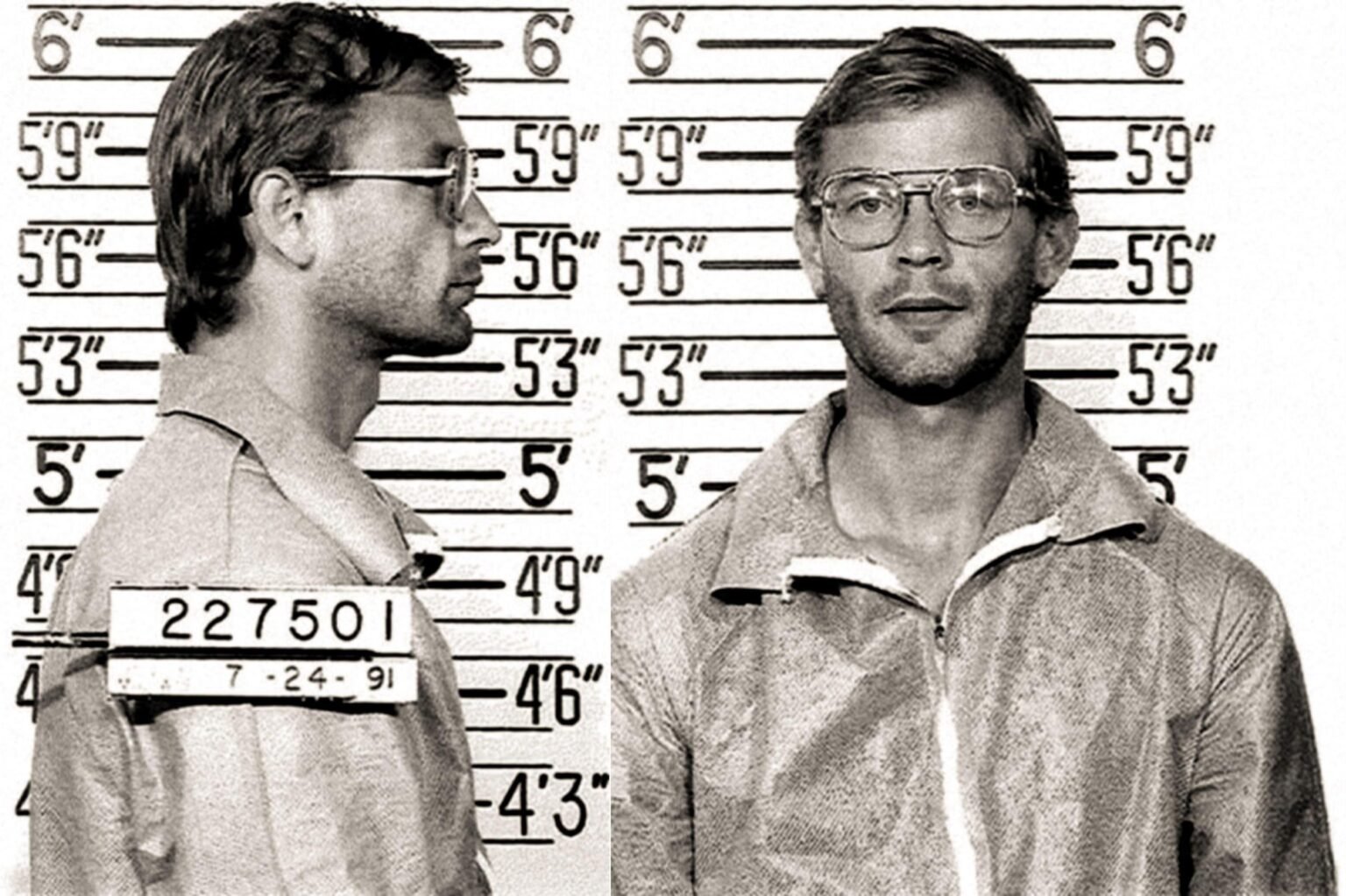
At the height of his spree, how many did Jeffrey Dahmer kill?
Jeffrey Dahmer was one of the most notorious serial killers in U.S. history, with a body count of 17 people across 14 years. From 1978 to 1991, he committed heinous acts that shocked the nation and changed the way that law enforcement looks at serial killers. His victims were mostly young men, mostly gay or bisexual, between the ages of 16 and 37. In this article, we will take a look at who exactly these victims were and how their lives were tragically taken by Jeffrey Dahmer.
Who was Jeffrey Dahmer?
Jeffrey Dahmer was an American serial killer and sex offender who committed the rape, murder, and dismemberment of seventeen men and boys between 1978 and 1991. Dahmer targeted mostly African-American men, whom he drugged, sexually assaulted, strangled, or bludgeoned to death before performing necrophilia and dismembering their bodies. In 1992, he was convicted of sixteen murders committed in Wisconsin and sentenced to sixteen terms of life imprisonment. He was later sentenced to an additional life sentence for an earlier murder in Ohio. Dahmer died on November 28, 1994, at Columbia Correctional Institution in Portage, Wisconsin, after a fellow inmate bludgeoned him to death.
Dahmer & his victims
The first victim of Jeffrey Dahmer was Steven Hicks, an 18-year-old hitchhiker murdered in June 1978 after Dahmer brought him back to his home in Ohio. Over the following years Dahmer killed sixteen more young men in Ohio, Wisconsin, and Illinois. He moved to Milwaukee and increasingly targeted individuals living on the streets or in shelters. Victims included Steven Tuomi, Jamie Doxtator, Richard Guerrero, Eddie Smith, Ernest Miller, Errol Lindsey, and Jamie Doxtator, several of whom were identified through DNA testing years later. Beginning in 1987, Dahmer began using sedatives and Rohypnol on many victims before killing them. Anthony Sears and Curtis Straughter were among those drugged and murdered. He also performed failed experiments on several victims by drilling into their skulls and injecting acid or boiling water in attempts to create compliant subjects. The first recorded dismemberment occurred with Larry Macdonald in 1988. Dahmer later acquired a 57-gallon barrel of hydrochloric acid and used it along with a sledgehammer to dissolve bones and dispose of remains. Six victims were processed this way between July and September 1990, including Errol Lindsey and Joseph Bradehoft. Over fourteen years, seventeen lives were lost to his crimes.

Dahmer's Family Background and Early Life
Dahmer was born on May 21, 1960, in Milwaukee. His parents divorced during his adolescence, and he moved between Ohio and Wisconsin during his teenage years. Reports from the period note that he began drinking heavily as a teenager, a pattern that continued into adulthood and factored into several of his crimes.

Dahmer's Arrest and Police Response
On July 22, 1991, Tracy Edwards escaped from Dahmer's apartment and flagged down police. Officers followed him back to the residence, where they discovered photographs of dismembered bodies, human remains, and evidence of eleven victims. Earlier contacts with police had included an incident in which officers returned a victim to Dahmer without further investigation, a decision later criticized in public reviews of the case.

Dahmer's Methods of Disposal and Trophies
After killing his victims, Dahmer dismembered the bodies with a hacksaw and hammer. He kept Polaroid photographs, skulls, and preserved heads as trophies. The 57-gallon acid barrel was used to dissolve tissue and bone. Several victims had their skulls drilled and injected with acid or boiling water in unsuccessful attempts to render them unconscious but alive. These details emerged from Dahmer's own confessions after his arrest.
Media and Cultural Impact Post-Arrest
The case drew intense national coverage at the time of the arrest and trial. In 2022, Netflix released Monster: The Jeffrey Dahmer Story and Conversations with a Killer: The Jeffrey Dahmer Tapes, which renewed public attention. Multiple books, podcasts, and academic analyses continue to examine the investigation, victim impact, and law-enforcement failures associated with the case.
The seventeen victims of Jeffrey Dahmer were real people whose lives ended abruptly. Their names and stories remain the clearest record of the harm caused, and public discussion continues to center on how better attention to missing persons reports and earlier intervention might have changed the outcome.