



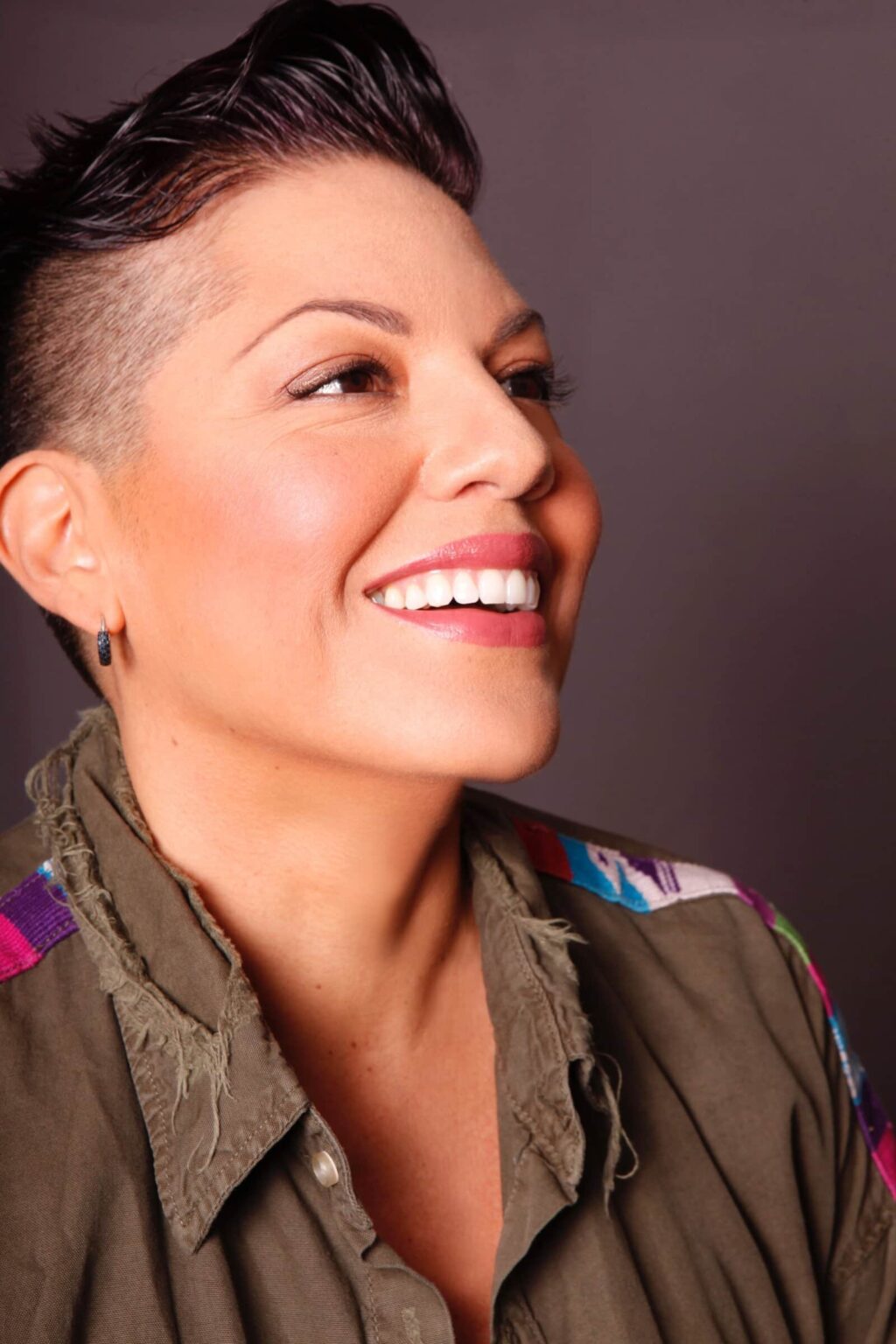
‘And Just Like That…’: Is unpopular character Che Diaz transphobic?
And Just Like That… introduced Che Diaz as the franchise’s first nonbinary character, played by Sara Ramírez, and the role immediately became a flashpoint for debates about representation, generational humor, and how the show tried to address its own past. The original Sex and the City kept most marginalized figures at the edges of Carrie Bradshaw’s world, whether through the turf war with trans sex workers of color or Carrie’s quick dismissal of bisexuality. Those moments lingered as the revival launched, and Che was positioned as the corrective. The character’s story wrapped after two seasons.
Che Diaz
Sara Ramírez spoke about building Che from personal experience and direct input into the writing. Ramírez noted that Michael Patrick King wanted to reflect the actor’s own evolution after Grey’s Anatomy, including the comedy of coming out to family. They described Che as more confident than Ramírez themself, a stand-up comedian and podcast host who never hesitates to call out weak media portrayals of nonbinary and trans people. The role also let Ramírez pitch scenes that made it to air, something they appreciated during production. Che’s run ended before Season 3; Ramírez will not return according to a February 2024 Variety report. The character drew sustained criticism, with many viewers labeling Che the most divisive or outright worst figure on the series. Sarah Jessica Parker later said she was shocked by the strength of that reaction while still valuing the collaboration with Ramírez.
Grey’s Anatomy
Ramírez’s decision to make Dr. Callie Torres bisexual on Grey’s Anatomy set a pattern that continued through later roles. Callie appeared in 239 episodes across eleven seasons, one of the longest-running LGBT characters in American television at the time. Ramírez brought similar specificity to Che, drawing from interviews and social media posts that King had followed after the Grey’s Anatomy years. They also guided the Kat Sandoval storyline on Madam Secretary with the same attention to lived detail. The through-line across these parts remains Ramírez’s insistence that visibility alone is not enough and that material conditions for queer and trans people must change.
Che’s Exit and Franchise Legacy
Production on Season 3 began later in 2024 for a 2025 premiere without Che or Ramírez. Parker’s 2025 comments made clear that the show’s creative team had not anticipated the level of audience pushback. Cynthia Nixon addressed the departure in separate interviews, noting that Miranda’s arc would continue without the earlier dynamic. Che’s absence shifted the tone of the series, removing the stand-up routines and podcast segments that had defined much of the first two seasons. The franchise now carries forward with a smaller core cast and a narrower set of storylines.
Pronoun Usage and Identity in Coverage
Ramírez came out as non-binary in 2020 and has used they/them pronouns consistently since. Early coverage of the revival sometimes defaulted to outdated she/her references, but 2025 and 2026 profiles and reference sources have aligned with Ramírez’s stated identity. The shift matters because the original article framed the actor through an older lens that no longer matches public record. Accurate pronoun use in reporting reflects the same standard Ramírez applied to Che’s own media critiques inside the show.
Post-Che Queer Storylines in Season 3
After Che’s exit, the series continued its queer narratives through other characters. Miranda begins dating a woman played by Rosie O’Donnell in the Season 3 premiere, a storyline that drew its own mix of commentary. Additional queer elements appear in supporting plots, though reception has remained uneven. The show no longer centers a nonbinary lead, yet the writers kept space for same-sex relationships and conversations about identity among the remaining ensemble. These threads sit alongside the ongoing question of how much the franchise can evolve beyond its original narrow focus.
Ramírez’s Ongoing Activism
Ramírez has stayed active in public causes since leaving the series. In July 2025 they took part in the Global Day of Fast for Gaza, using their platform to call attention to the humanitarian situation. The appearance fits the pattern Ramírez described during the And Just Like That… press cycle, where they stressed that screen visibility must connect to concrete advocacy. Their post-Che work continues to blend performance history with direct political engagement rather than retreating from either.
Down the generations
Ramírez stressed that Che’s outlook was rooted in a Gen X perspective rather than a Millennial or Gen Z one. That generational filter shaped the character’s humor, references, and tolerance for certain cultural flashpoints. Che’s story concluded with Seasons 1 and 2, but the emphasis on lived age and experience remains one of the clearer through-lines in Ramírez’s comments about the role. The lens helped explain why Che sometimes clashed with younger characters and viewers who expected a different tone.
