‘Baby Driver’ second in weekend box office race
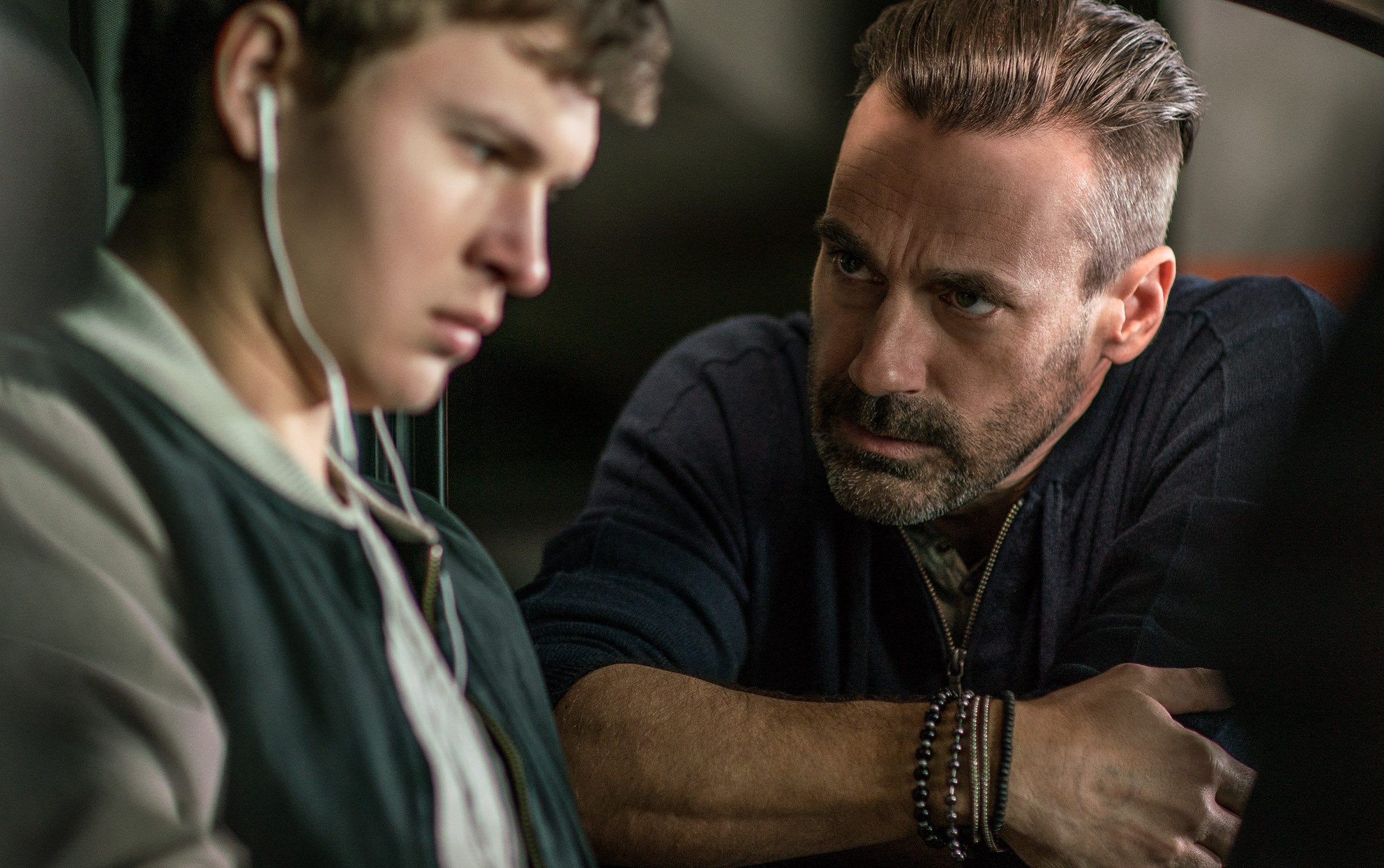
In Edgar Wright’s biggest box office opening to date, Baby Driver has racked up $21 million after opening in over 3000 US theaters this weekend. The music-led action film starring Ansel Elgort, Lily James, and Kevin Spacey, outlining the story of a gifted getaway driver, has clearly struck a chord with audiences as well as critics.
The offbeat film has beaten big studio movie The House, latest Will Ferrell vehicle and victim to the big-budget comedy curse, opening at just $9 million. The House’s understated humor and desperation-fuelled plot made for a stale offering that had viewers cringing, and not in a good way. After Fox’s Amy Schumer title Snatched and Paramount’s Baywatch failed to bring home the bacon, it is almost a year since a big comedy clicked past $100 million at the box office.
Meanwhile, The Beguiled expanded its release into 670 more theaters this weekend, taking in a healthy $3.2 million. Filled with atmospheric thrills and sexual tension, the film won Sofia Coppola the Best Director gong this year at Cannes.
Kumail Nanjiani’s comedy The Big Sick, a thoroughly modern rom-com based on real life, continues to excel, taking in a very respectable $1.6 million from a mere 71 theaters.
Also on the rise is alternative comedy The Little Hours, which debuted at $61,560 across just two specialty theatres. Led by Aubrey Plaza (Parks and Recreation), the medieval romp delights with foul-mouthed nuns and a farcical plot reminiscent of Monty Python.
Baby Driver performance
Baby Driver ultimately posted a domestic gross of $107.8 million and an approximate worldwide total of $227 million, making it Edgar Wright’s highest-grossing film to date. The strong multiplier of roughly five times its opening weekend demonstrated the kind of word-of-mouth momentum that kept the title in theaters well into the fall. Studio tracking had expected a more modest run, yet the film’s precise stunt work and propulsive soundtrack kept audiences returning for repeat viewings across summer and beyond.
The House comparison
The House finished with a domestic gross of $25.6 million and a worldwide total of $34.2 million against a $40 million budget, confirming the early signs of audience disinterest. Will Ferrell’s attempt to pivot into R-rated territory never found its footing, and the film quickly dropped from multiplexes. The result stood as another data point in the ongoing struggle for mid-budget comedies to justify their production costs in an era dominated by event pictures.
The Beguiled expansion
The Beguiled wrapped its run with a domestic gross of $10.7 million and a worldwide total of $27.9 million. Sofia Coppola’s claustrophobic Southern Gothic expanded modestly after its Cannes reception, yet the period drama never translated its critical acclaim into broad commercial appeal. Still, the restrained earnings aligned with the director’s typical specialty-market profile rather than signaling outright disappointment.
The Big Sick limited run
The Big Sick expanded from its initial 71-theater platform into wide release and finished with a domestic gross of $42.9 million and a worldwide total of $56.4 million on a modest $5 million budget. Kumail Nanjiani’s semi-autobiographical rom-com proved that personal storytelling could scale when paired with sharp writing and strong reviews. The film’s gradual rollout became a textbook example of how limited-release titles can cross over when word of mouth aligns with awards-season timing.
The Little Hours debut
The Little Hours ultimately grossed $1.65 million domestically after its two-theater opening. Aubrey Plaza’s medieval farce found a niche audience through festival buzz and specialty bookings, though its R-rated humor kept it from breaking into wider markets. The modest total still marked a respectable return for a micro-budget comedy that leaned on cult appeal rather than mainstream marketing.
Final Box Office Performance
Baby Driver reached $107.8 million domestically and approximately $227 million worldwide, turning its $34 million budget into clear profit. The 5.25-times multiplier from opening weekend underscored the film’s repeat-viewing appeal and its ability to hold screens against bigger studio releases throughout the summer. Those numbers also placed the title at number 42 among all releases that year, a notable achievement for an original property without franchise backing.
Awards Recognition
The film earned three Academy Award nominations, including Best Film Editing, and secured a BAFTA win in that same category. Ansel Elgort received a Golden Globe nomination for his lead performance, while the picture collected additional nods from critics’ groups for its direction, sound design, and original screenplay. The recognition extended the conversation well past the summer box office and helped solidify Edgar Wright’s reputation for precision craftsmanship.
Sequel Status
Script work on a follow-up advanced through 2021, with Wright and star Ansel Elgort publicly expressing interest in revisiting the characters. As of 2026 the project remains in tentative development, though no firm production timeline has been announced. Industry observers note that any sequel would need to navigate shifting studio priorities and the availability of its original ensemble, yet fan demand has kept the prospect alive in trade coverage.
Sound Design and Musical Influence
Baby Driver built its action sequences around pre-selected tracks, syncing cuts, engine revs, and footfalls to the beat in a manner rarely attempted at this scale. The approach drew from Wright’s own iPod-era listening habits and from Oliver Sacks’ writings on music’s neurological effects, particularly the book Musicophilia. The technique turned the protagonist’s tinnitus into both a character trait and a structural device, giving the soundtrack a narrative function that influenced later films experimenting with diegetic scoring.
Years later, the weekend numbers still read as an early indicator of the film’s lasting appeal. Baby Driver proved that an original story with meticulous craft could compete with franchise titles, and its final tallies, awards, and lingering sequel talk continue to shape how studios evaluate music-driven action projects today.