



How does forensics solve crimes? This ’48 Hours’ episode shows us
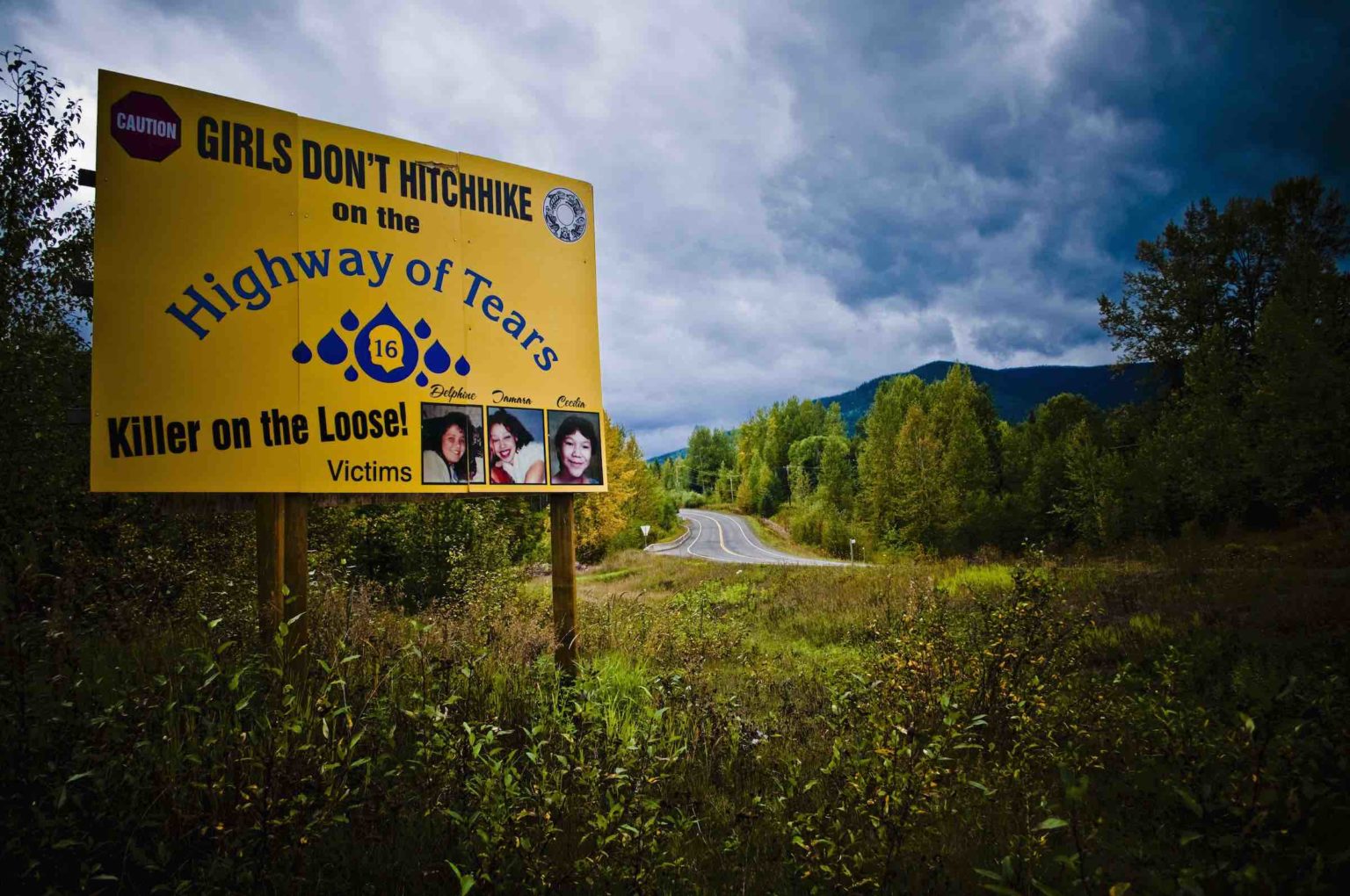
Canada’s Highway of Tears remains a 450-mile stretch of Highway 16 running from Prince George to Prince Rupert, British Columbia. Disappearances and murders along this route stretch back to the 1970s. The CBS series 48 Hours revisited how the Royal Canadian Mounted Police preserved a single piece of evidence for decades, then used advancing forensic tools to tie it to a long-dead American suspect.
Clues that are decades old
The episode opens with the 1974 disappearance of 16-year-old Colleen MacMillen. She left her home in 100 Mile House and told her brother she planned to hitchhike. Her body turned up roughly a month later about 30 miles away. Investigators recovered a blouse that carried an unknown male DNA profile. At the time the sample offered little value, yet the RCMP stored it carefully. In 2007 the same blouse produced a usable profile that matched no one in existing databases. The official RCMP list of Highway of Tears cases still stands at 18, though locals and advocates maintain the true number exceeds 40 and may reach 80. Violence along the route has continued past the original documented cases.
DNA technology is refined
Over the following years laboratories developed methods that extract information from smaller and older samples. Genetic genealogy and probabilistic genotyping now allow analysts to build family trees or interpret mixed profiles that once seemed unusable. Touch DNA and enhanced extraction techniques recover genetic material from surfaces that previously yielded nothing. The RCMP forwarded the MacMillen blouse profile to Interpol, whose international database produced a hit in 2012.
The oldest DNA hit in Interpol history
The match pointed to Bobby Jack Fowler, an Oregon roofer arrested in 1995 after a kidnapping attempt. Fowler died in prison in 2006. DNA confirmed his link to Colleen MacMillen. He remains a strong suspect in the 1973 murders of Pamela Darlington and Gale Weys, though those cases lack direct DNA confirmation. Geographic profiling later ruled him out of several other Highway of Tears incidents, indicating his involvement had limits.
Ongoing violence and recent incidents
At least seven additional women have gone missing or been murdered along the corridor between 2019 and 2025. Community groups installed billboard campaigns in 2023 to keep the issue visible. Advocates continue to press for more resources, noting that Indigenous women remain disproportionately represented among both solved and unsolved cases.
Highway safety improvements
Provincial and federal governments have committed funding for expanded transit service and cell coverage along Highway 16 through 2027. A $10.2 million package supports new webcams, improved pullouts, and bus shelters. These measures aim to reduce isolation for travelers who still rely on hitchhiking or long stretches without service.
Project E-PANA status and challenges
The RCMP’s specialized task force has added no new cases to its official roster since 2006. A 2026 symposium in Prince George provided investigators an opportunity to update families and the public on remaining evidence reviews. The unit continues to re-examine older files with current forensic standards while managing limited staffing and vast geography.
Broader forensic genealogy impact
Programs that fund advanced DNA testing now support dozens of cold-case units across North America. Genetic genealogy has resolved cases that sat dormant for forty years or more by identifying distant relatives through consumer databases. Probabilistic genotyping helps analysts assign statistical weight to partial profiles recovered from decades-old clothing or vehicles. These tools extend the same preservation principle that solved the MacMillen case to a wider range of investigations.
The 48 Hours episode underscores how one preserved blouse altered the trajectory of multiple inquiries. Continued incidents along the highway show that forensic progress alone cannot replace sustained safety investment and investigative capacity. Families still await answers in the majority of the listed cases, and the work of matching evidence to identities remains ongoing.
