



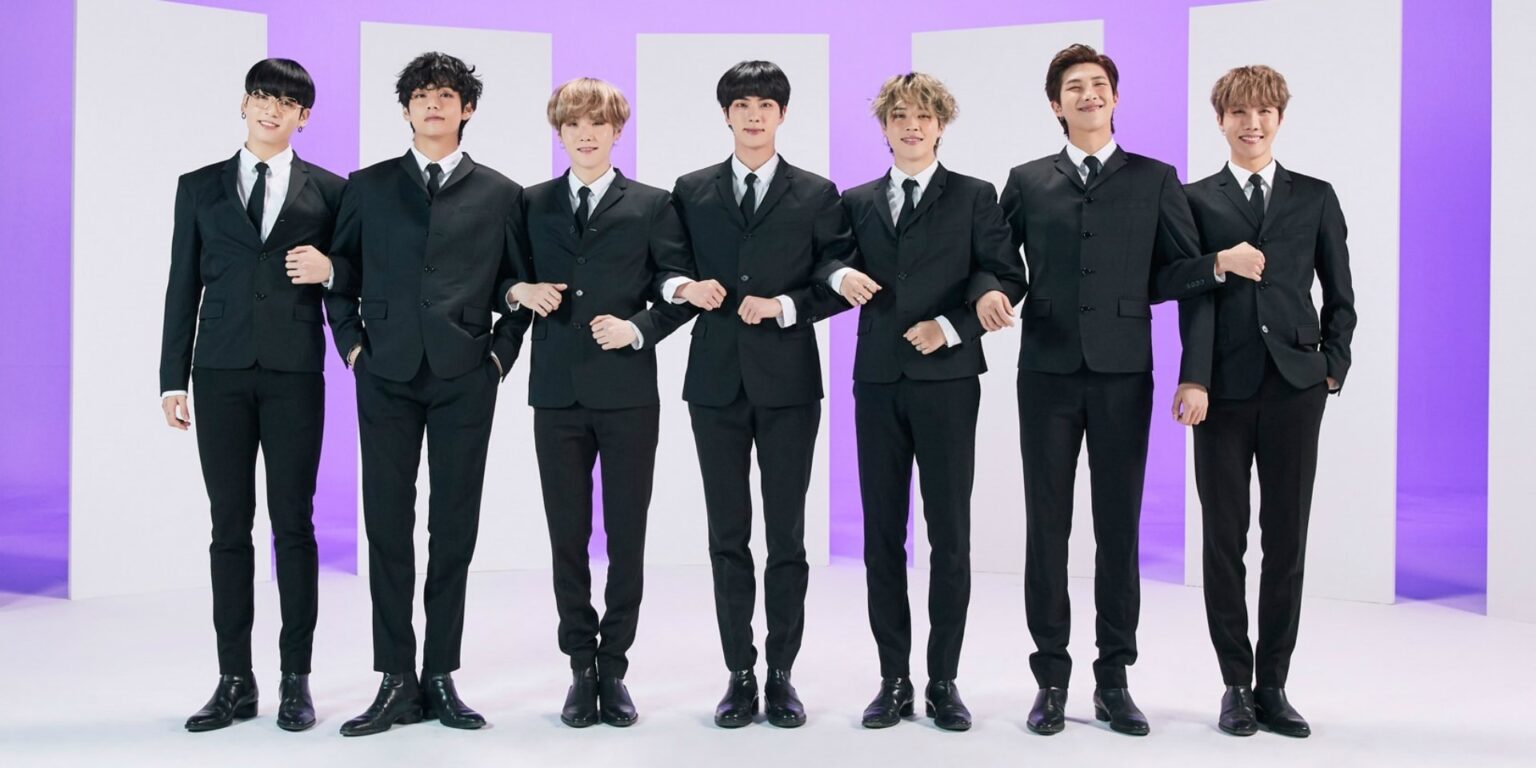
Big Hit Entertainment: Why BTS owning some of their stock matters
Big Hit Entertainment’s decision to give BTS members equity ahead of its 2020 IPO stood out as one of the sharper artist-label alignments in recent music history. The move came at a moment when streaming and social platforms had already begun shifting leverage toward creators, yet most major Western deals still left artists without ownership in the companies profiting from their work. Taylor Swift’s public fight over her masters with Scooter Braun had just highlighted how quickly control can slip away once catalogs change hands. BTS receiving shares signaled that a different structure was possible, even if the numbers and context have evolved since then.
BTS is the next empowered kid on the block
The original share gift reflected Big Hit’s unusually close relationship with the group. Each member received 68,385 common shares valued at roughly $7.7 million at the time of the IPO. That positioned the seven members collectively at about 35.5 percent ownership before dilution. The company later rebranded its parent entity as HYBE Corporation, with the original label operating as Big Hit Music. Over time, IPO dilution, corporate restructuring, and market movements reduced the members’ collective stake to approximately 1.1 percent of HYBE. That position still places them among the largest individual shareholder groups, and the holdings have grown substantially in won terms despite the smaller percentage.
Unprecedented move for unprecedented times
At the 2020 IPO, BTS accounted for between 87 and 98 percent of Big Hit’s revenue depending on the period measured. Jeff Peretz of NYU noted then that such arrangements usually run the other way, with artists forming their own labels rather than receiving equity in an existing one. The structure made immediate financial sense because one client generated nearly all the revenue. By 2024, that reliance had dropped below 20 percent after BTS entered its military service period and HYBE diversified through acquisitions and new label launches. The shift reduced single-artist risk while preserving the original equity alignment.
Making a family
The equity stake created a structural incentive for long-term partnership rather than competition for resources. When BTS members began enlisting in 2022, they retained their shares and continued to influence company direction through solo projects and strategic input. HYBE expanded into new markets and developed additional acts during the hiatus, yet the members’ ownership remained intact. The group’s full return in 2026 reinforced the original logic: shared ownership turned potential friction into coordinated success.

Impact of Military Service Hiatus
The multi-year service period between 2022 and 2025 tested the partnership model in real time. BTS contribution to HYBE revenue fell below 20 percent in 2024 while members fulfilled mandatory duties. Company revenue still grew through diversification into global markets, new label acquisitions, and solo activities from members such as J-Hope. The equity structure meant BTS members benefited from those gains without needing active group releases, preserving alignment even when the original revenue concentration no longer applied.

HYBE's Global Expansion and Diversification
Post-2020 strategy moved HYBE beyond a BTS-centric operation toward a multinational platform. The company launched or acquired labels in the United States, Japan, and additional territories while investing in technology and fan-platform infrastructure alongside traditional music releases. This broader portfolio reduced dependence on any single act and positioned the business for steadier growth across cycles. BTS members’ retained ownership gave them indirect participation in that expansion without requiring new contracts or renegotiations.

Current BTS Equity Position in HYBE
The collective 1.1 percent stake remains meaningful within HYBE’s shareholder base. Earlier valuations placed individual member holdings above 10 billion won each, and the position has continued to reflect market performance. Unlike many artist deals that convert ownership into cash at the first opportunity, the BTS members have held their shares through corporate changes and the service hiatus. That continuity keeps the original empowerment narrative intact even as percentages and company structure have shifted.
2026 Comeback and Revenue Rebound
Full-group activities resumed in 2026 and produced immediate commercial impact. HYBE reported record Q1 revenue of 698.3 billion won, up 40 percent year-over-year, driven largely by new BTS album sales and related activity. Stock movement tracked the comeback announcements and performance metrics. The rebound demonstrated how the original equity alignment continues to function: when the group succeeds, the members’ ownership stake directly reflects that success, and the company benefits from coordinated promotion across its wider roster.
The 2020 share distribution was an early example of label-artist equity that has since been stress-tested by military service, global expansion, and a full-group return. BTS members’ reduced but still significant ownership stake shows how that initial structure adapted rather than dissolved. The arrangement continues to offer a concrete contrast to the master-recording disputes that still dominate Western industry conversations.
