



Trending News
If you’re a serious filmmaker, it doesn’t matter how much money you have or whether the project is even totally financed yet – you can get a big star on board.

How to get an A-list star in your D-list budget movie

If you’re a serious filmmaker, it doesn’t matter how much money you have or whether the project is even totally financed yet – you can get a big star on board. A-list actors are actual people, after all, and if you can just get in contact with them and pass on your script, they’d surely agree to be in your film just as long as you covered their taxi fare to and from the set (which will likely be your apartment).

And you won’t need to go contacting any casting directors, agents, producers, or any of those bozo’s – you can just do it over Twitter or something. Also, don’t have contracts, don’t play to their egos, and certainly don’t conduct yourself like a highly-skilled professional. And if they turn you down, remember to cause a scene!

Of course, all of the above is false. If you’re really looking to book an A-lister in your D-list budget film, let’s take a look at a few ways you could attract a Keanu Reeves (John Wick) to your Alex Winter (Bill and Ted’s Excellent Adventure) project!

A script supervisor is an important part of the production team of any film. So what exactly do they do and why do you need one?

Script

Step one: craft a solid script. Don’t just read it yourself and decide it’s good (It very well might be!) – get other people to read it. Not just friends, but people who will be honest with you. That work colleague who you get on with in the office but you would probably never hang out.

Ask the homeless guy outside your favorite coffee shop to read it. Buy him a coffee and a bagel and maybe some cake to say thanks too (and if he has any good suggestions or maybe some experience of indie filmmaking, maybe make him an associate producer on the project). Cross reference what everyone says about your script, see if there are any elements everyone likes or dislikes, and use them to improve your screenplay.
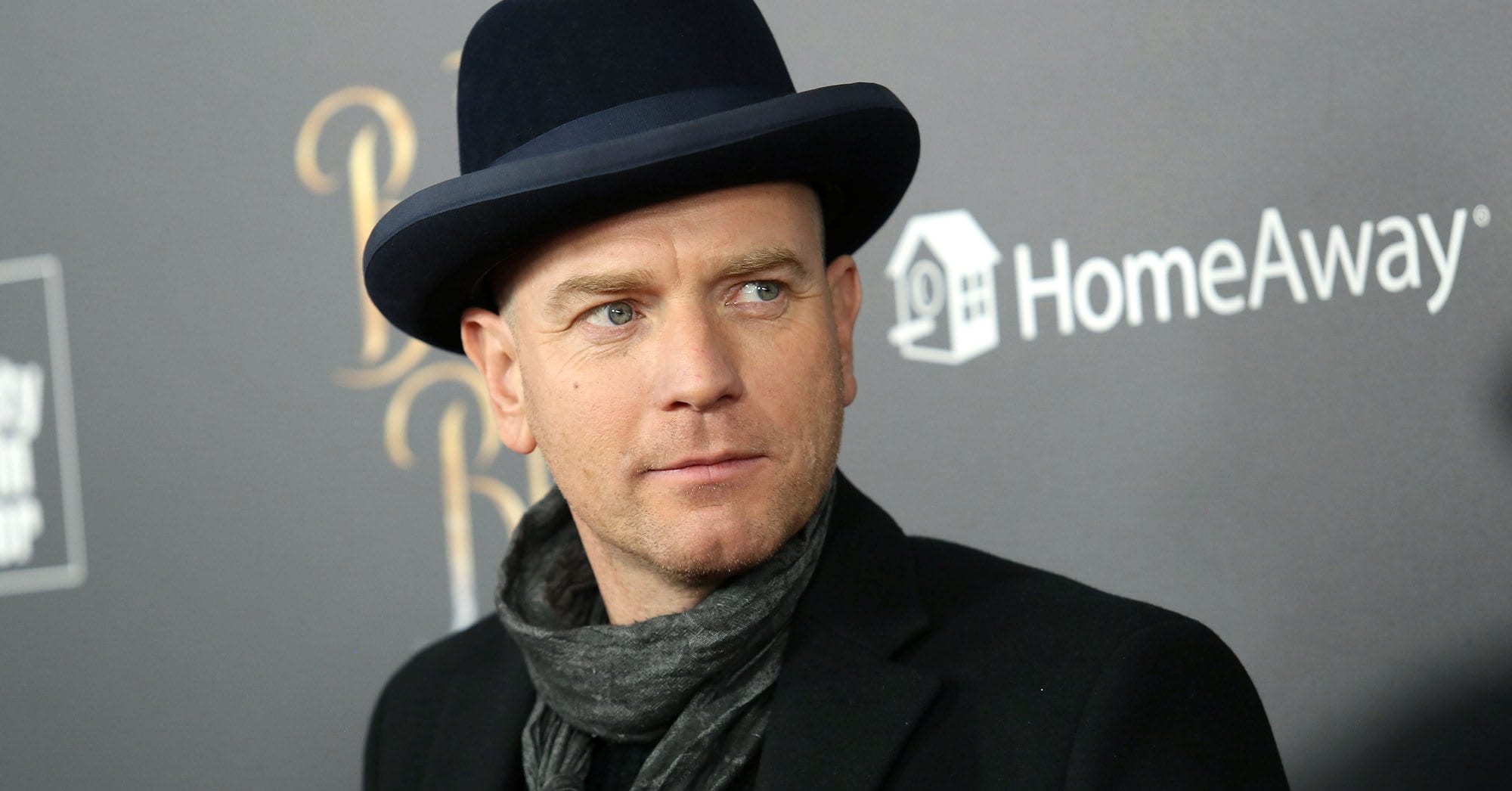
McGregor’s been praised for his starring role in Drake Doremus’s sci-fi romance 'Zoe'. We look back at McGregor’s best and worst performances to date.

Schedule

Before you contact anyone, make sure the project is all planned out for them and plan ahead so that they’ve got time to think about it. They might turn it down initially due to genuine scheduling conflicts, so be open to that. Perhaps a couple of months down the line you might get a call from their agent saying that your film idea really stuck with them and they’re wondering what the next stages are. It’s at this point you tell them the position is still open!

Parts like this don’t come around that much

Play to their age, size, shape, ability to do a Boston accent, ability to skydive – whatever their traits may be. Also, if it’s the type of character that you know they’ve never done before, this can also be a way to prick their attention. If you’re lucky enough to get their ear, tell them whatever they want to hear.

A distinct recurring theme recently in Hollywood is box office failures: A-lister-led movies which fell short of expectations.

Casting directors & agents

These are two gatekeeper roles in the industry. If you can get past them (or get on with them), it’ll make your project a hell of a lot easier. When contacting casting directors via phone or email, always try and be charming, memorable, and professional.

If you can develop a good relationship with them, it really can pay off when they mention you to that agent they know who represents some of those big names you’ve been trying to attract. And always be sure to ask them, “What do you think?” It’s always nice to hear and they might even end up believing that you care.

Be open-minded

“Well, I got the script to them and they like it.” You drop your phone, do a handstand, and start writing your Oscar acceptance speech. “They’ve got a few thoughts though.” Yep, although it’s not part of their job description, all big name actors will have thoughts on the script and probably suggestions. If you’re precious about the script, you’re not going to get far. Be willing to listen to peoples’ ideas – who knows, they might even be good!

It’s only been a year since Scarlett Johansson’s disastrous role in the movie adaptation of 'Ghost in the Shell', in which she portrayed a Japanese character and became a central figure in the discussions regarding Hollywood’s whitewashing issue.

Treat them like royalty

If you’ve gained interest from an A-lister, you’re going to have to work around them, and if you can’t afford to pay them their usual salary (which you definitely can’t), make sure they’re taken care of like royalty at least.

Work around them

Your A-lister might say, “I can give you two days in three months.” If you know you can nail it with two days in three months, schedule for it and do it. That way you can shoot everything that doesn’t require their presence in the meantime and then you know you’ve got two days filming with a bigass Hollywood star to finish things off with.

How to get an A-list star in your D-list budget movie

Landing an A-list star with almost no money sounds like fantasy, but by 2026 it’s less impossible than it looks—if you understand how actors actually choose projects. This is not about trickery or name-dropping. It’s about leverage, timing, and offering something money can’t buy.

First, understand what “A-list” actually means. It does not mean permanently unavailable. It means high demand, high visibility, and selective participation. Many top-tier actors actively look for small projects between studio commitments—especially ones that offer creative freedom, awards potential, or reputational recalibration. Your budget is irrelevant unless your pitch is.

Start with the script. Nothing else matters without it.
A-list actors are flooded with offers. Most are disposable. What cuts through is material that does something their studio work cannot: moral ambiguity, emotional risk, taboo themes, or formal experimentation. If your script could only exist at a low budget, that’s a feature, not a flaw. Contained settings, short shoot schedules, and character-driven narratives are attractive when framed correctly.

Make the role irresistible, not the movie.
Actors sign on for roles, not budgets. If the character has a clear arc, strong point of view, and scenes that let them stretch, you’re already ahead of 90% of indie pitches. The part should feel “unplayable” in a studio system—too dark, too weird, too subtle, or too personal. This is where low budgets win.

Timing is everything.
Actors are most accessible:

  • Between projects

  • After an awards run

  • During image transitions

  • Post-studio burnout

Your job is not to cold-email randomly. It’s to target moments when the actor is re-evaluating choices. This is where casting directors and managers matter more than agents. Agents protect money. Managers protect careers. You want the latter.

Go through the right door.
Never pitch an A-list actor directly unless invited. You approach:

  1. Casting director

  2. Manager

  3. Trusted producer with access

Casting directors are often the gatekeepers for prestige indies. If they believe in the project, they will champion it internally. Your pitch package must be clean: script, director statement, visual references, and a realistic shoot plan.

Offer control instead of cash.
If you can’t pay market rate, offer:

  • Top billing

  • Executive producer credit (meaningful, not cosmetic)

  • Input on character development

  • Compressed shoot (10–15 days max)

  • Back-end participation

Back-end matters less financially than psychologically. It signals respect and partnership. Many actors understand the odds. They still want upside acknowledged.

Lower the risk profile.
A-list actors are risk-averse about logistics, not art. Make it clear that:

  • Financing is secured

  • Insurance is in place

  • Schedule is locked

  • Locations are controlled

  • Crew is experienced

Chaos kills deals. Even a brilliant script will be passed on if production feels amateur. A calm, competent plan makes a low budget feel safe.

Prestige beats exposure.
Do not promise “great exposure.” It’s a red flag. Instead, position the film for:

  • Festivals that matter to actors

  • Awards eligibility

  • Critical attention

  • Cultural relevance

Actors think in legacy, not clicks. Show them where the film lives in the ecosystem.

Be honest about the money.
Nothing burns bridges faster than pretending you can pay more later. State the fee upfront. Own it. Many actors will pass. One might not—and that’s all you need.

One name changes everything.
Once you attach one credible star—even in a supporting role—others become easier. Financing improves. Distribution conversations shift. Suddenly your “D-list budget” looks intentional rather than desperate.

Accept rejection as data, not failure.
A-list attachments often take dozens of passes. Each no refines the pitch. Each conversation sharpens positioning. Persistence, not luck, is the real currency here.

The truth is uncomfortable but useful: most A-list actors are bored more than they are greedy. If your project scares them a little—in a good way—you’re closer than you think.

Share via: