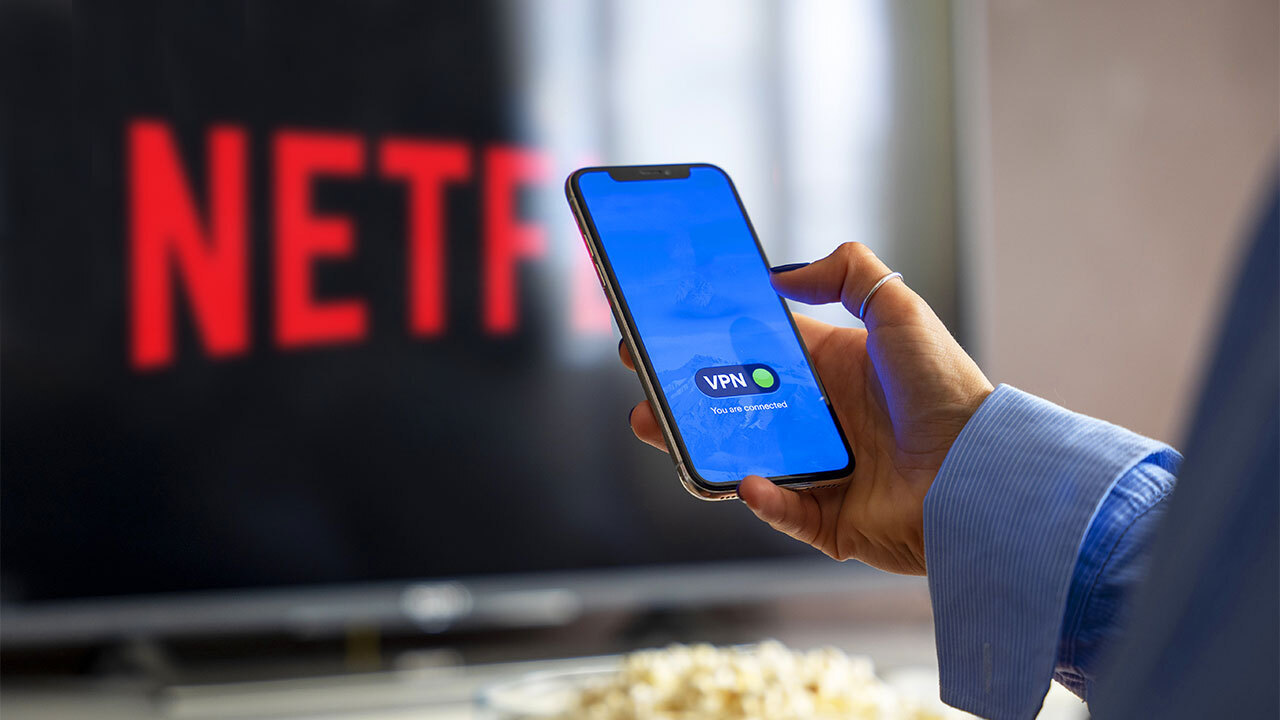
How to use a VPN to watch Netflix from other countries
Streaming libraries shift constantly, so anyone serious about watching Netflix from other countries eventually lands on the same workaround: watch Netflix VPN. A reliable VPN masks your real location, reroutes traffic through a server in the target country, and keeps the connection fast enough for HD or 4K playback. The method works, yet it now demands more care than it did a few years ago because Netflix keeps tightening detection and because household-sharing rules have changed how accounts behave.
Copyright rules still force Netflix to slice its catalog by territory. One region may carry an exclusive title while another loses it entirely. A VPN simply lets you sample a different slice without leaving the couch.
VPN Performance Tips for Reliable Netflix Streaming
Blocks appear and disappear without warning, so the first rule is flexibility. If one server stops working, disconnect and try the next in the same country. Many users keep two or three favorites bookmarked for quick swaps.
Clear your browser cookies or open an incognito window before each new session. Netflix sometimes stores your last known location in local data, and a fresh session removes that trace. On phones and tablets, force-quitting the app before reconnecting can achieve the same reset.
Protocol choice matters for speed. WireGuard or Lightway deliver the lowest latency on most premium services, while OpenVPN remains useful when a network flags newer protocols. Test both and stick with whichever keeps your connection above 15 Mbps for smooth 4K.
Impact of Netflix's Password Sharing Rules on VPN Users
Netflix now ties accounts to a primary household defined by IP address, device IDs, and regular activity. A VPN can complicate verification if the service sees logins from distant cities on the same day. At the same time, some households use a shared VPN endpoint to keep multiple devices appearing inside one approved location.
The safest approach is to pick one home server and stay on it for daily viewing. If you travel, log out of extra devices or add them through Netflix's official travel feature rather than relying on the VPN alone. This keeps the account within policy while still allowing the occasional international library check.
Choosing a VPN Provider: Key Features for Netflix in 2026
Look for providers that refresh server IPs daily and maintain dedicated streaming servers. Obfuscated servers hide VPN traffic signatures, which helps when Netflix scans for data patterns rather than known addresses. Unlimited bandwidth and no throttling are now standard on paid plans and necessary for uninterrupted playback.
Read recent independent tests rather than marketing pages. Services that rank high one month can slip the next, so keep a short list of two or three options and rotate when performance drops. A 30-day money-back guarantee gives time to confirm consistent access before committing long-term.
Device-Specific Considerations for Netflix VPN Use
Smart TVs and game consoles rarely accept third-party apps, so router-level VPN installation or a travel router stays the cleanest route. Once the router connects, every device on the network inherits the new location without extra setup.
Mobile apps usually work without issue, but they may force DNS requests through public servers. Premium VPN apps override those requests automatically. On laptops, browser extensions offer quick switching, yet the full desktop client remains more stable for long sessions because it protects the entire connection, not just one tab.
Library sizes keep changing, yet the United Kingdom still leads with roughly 8,893 titles while the United States sits near 7,800. A VPN can open either catalog, though Netflix sometimes limits results to titles cleared for worldwide rights. Even then, the expanded selection usually justifies the extra step.
Premium services cost a few dollars a month and deliver the speed, server rotation, and privacy tools free options lack. The investment removes buffering, avoids data caps, and reduces the chance of sudden blocks. Most users find the difference noticeable within the first week of switching.