



Film Daily’s Top 5 LGBT Films of 2016
2016 delivered more than a handful of strong LGBT films even if the year lacked a single obvious awards magnet at the outset. Moonlight quietly became that magnet, while smaller titles like Spa Night, Viva, Suited, and Kiki earned festival love and lasting cult followings. The five selections below still reward fresh eyes, whether you caught them on the festival circuit or are meeting them for the first time.
Moonlight
Moonlight, directed by Barry Jenkins, follows the early years of Chiron, a gay Black man struggling with self-acceptance as he navigates life with a crack-addicted mother and gets pulled into the school-to-prison pipeline. Chiron is portrayed masterfully by a succession of actors: Alex Hibbert, Ashton Sanders, and Trevante Rhodes. Rarely are gay Black male characters given this sort of complexity or depth onscreen. The film went on to win Best Picture, Best Supporting Actor for Mahershala Ali, and Best Adapted Screenplay at the 2017 Oscars, and it returned to IMAX screens in 2025 while landing high on multiple best-of-the-century lists.
Moonlight's Enduring Influence on Black Queer Representation
Moonlight remains the first LGBTQ film with an all-Black cast to win Best Picture. It placed number five on The New York Times 2025 list of the 100 Best Movies of the 21st Century and number three on Rolling Stone’s corresponding roundup. Retrospectives in 2021 and 2025 continue to call the film transformative for Black queer cinema, noting how its quiet style and interior focus opened doors that earlier studio pictures had left closed.
Where Are They Now: Cast and Crew Updates
Trevante Rhodes moved from Moonlight into major studio roles and limited-series work, while Ashton Sanders balanced indie dramas with higher-profile supporting parts. Barry Jenkins kept a high-profile slate that included If Beale Street Could Talk and The Underground Railroad. The leads from Spa Night, Viva, and Kiki have maintained steady festival and streaming visibility, though none matched Moonlight’s commercial breakthrough.
Spa Night
Coming-of-age dramas are a dime a dozen in the LGBT film category. What makes Spa Night unique is that it explores L.A.’s Koreatown. That’s where its protagonist, David (Joe Seo), lives with his family. When the closeted teen gets a job at a men’s spa in order to help out his family, it kicks off a journey of self-exploration. Directed by Andrew Ahn, Spa Night won the U.S. Grand Jury Prize at Outfest Los Angeles LGBT Film Festival.
Viva
Set in Cuba, Viva explores the world of drag divas through the eyes of Jesus (Héctor Medina), the hairdresser for a group of nightclub performers. His dreams of drag show stardom are fanned by Mama, his mentor at the club, but dampened by cold reality: with his mother dead and father in prison, Jesus’ likely path will be sex work. When his father gets released and moves in with him, Jesus must decide whether to pursue his dreams or drop them due to pressure from his macho father. Director Paddy Breathnach does a masterful job with this sensitive and soulful film. Ireland selected Viva as its entry for Best Foreign Language Film at the 88th Academy Awards, where it reached the December shortlist.
The 2016 LGBT Film Landscape in Context
The year’s output proved more consequential than early coverage suggested. Moonlight’s historic sweep directly contradicted the notion that LGBT titles lacked breakout potential. Spa Night and Kiki earned major festival prizes, while Viva carried Ireland’s Oscar hopes. Together the five films showed that 2016 offered both intimate character studies and larger cultural statements.
Suited
This HBO documentary goes behind the scenes of Bindle and Keep, a Brooklyn-based tailoring company working with gender-nonconforming clients. Director Jason Benjamin interviews a series of customers who turned to the business for clothing that’s a custom fit for their bodies – something often impossible for them to find in stores with an off-the-rack selection. Producer Lena Dunham told Time that, even though the film is about clothing, its message goes much deeper. “Any time you talk about identity and what that can mean, you’re doing something political, even if you’re not literally talking about legislation or political buzzwords,” she proclaimed. “This film allows people to realize that behind politics are people.”
Kiki
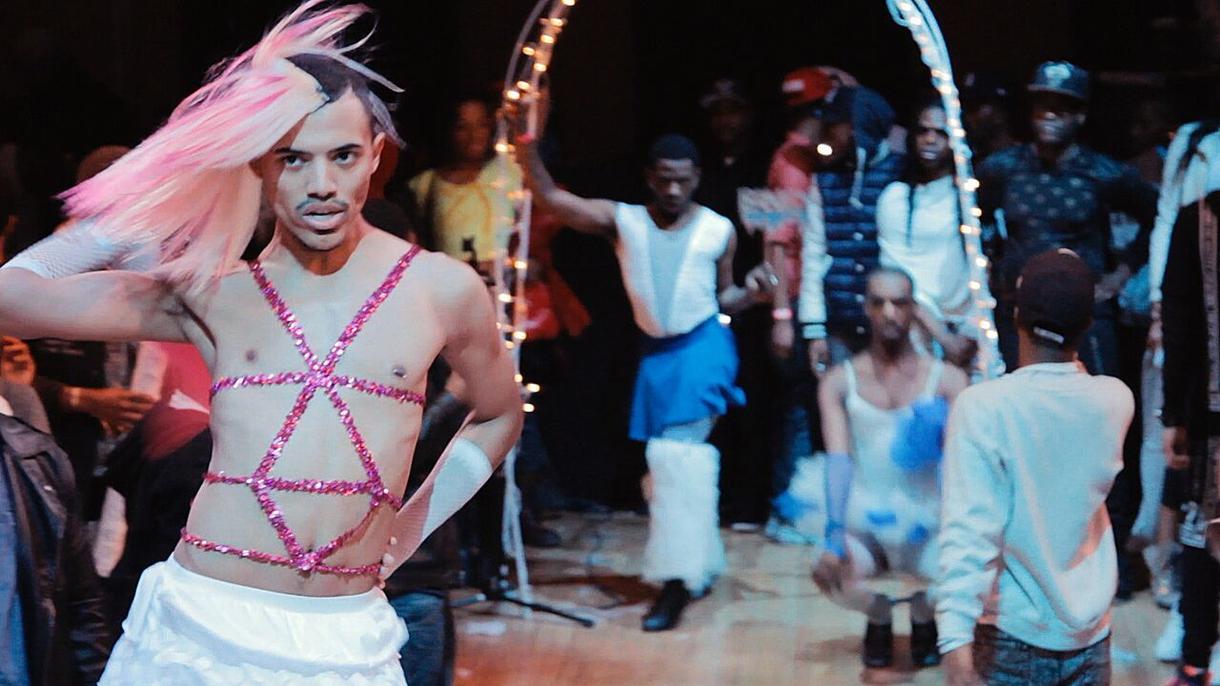
With Kiki, director Sara Jordenö continues the saga that began in the 1990 film Paris is Burning. The documentary goes deep into New York City’s ballroom scene – the birthplace of “vogueing” in the 1980’s. From dance-offs to drag shows, the film tells the story of a group of young, brash, and bold LGBT people of color. Kiki won a Teddy Award for best LGBT-related documentary film at the Berlin International Film Festival. It functions as an unofficial sequel to Paris is Burning and keeps its focus on queer youth of color navigating housing instability and political activism.
Ballroom Culture: From Kiki to Contemporary Scenes
The ballroom scene profiled in Kiki has not stood still. Houses continue to serve as chosen-family structures for young LGBTQ people of color, and the competitions still double as platforms for political expression. Issues like homelessness and access to healthcare remain central, keeping the film’s portrait current even as newer generations add their own language and style to the same dance floors.
