Why ‘Crazy Ex-Girlfriend’ fans deserve another season
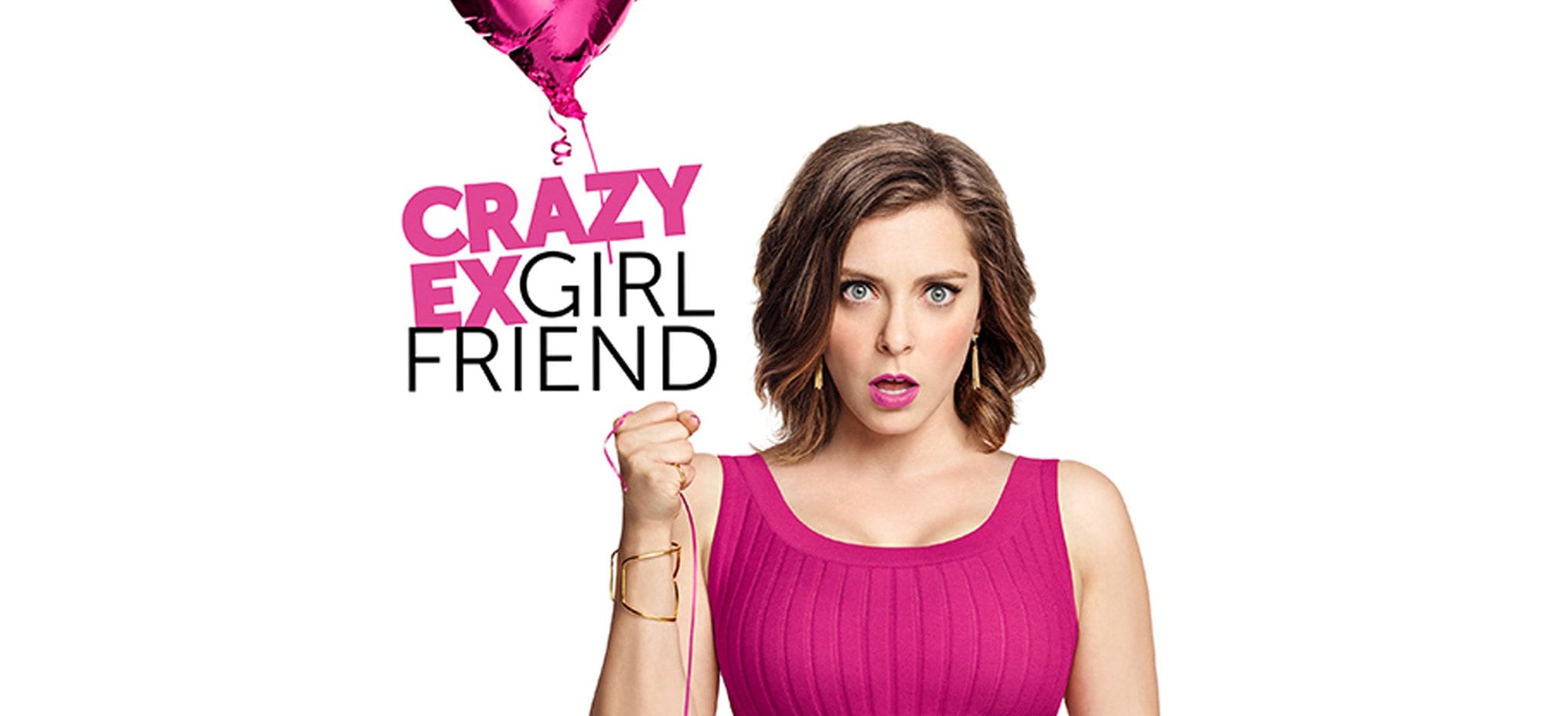
Logline: Manic-depressive ex-New York lawyer Rebecca Bunch struggles with love in West Covina, California. Verdict: The CW’s Crazy Ex-Girlfriend has never been a ratings smash hit, but Crazy Ex-Girlfriend – in its third season – has become one of the most important and ambitious shows on television. From Rachel Bloom (BoJack Horseman) and Aline Brosh McKenna (The Devil Wears Prada), the show blends musical comedy with rom-com to smash myths about modern romance. It’s a laugh riot peppered with ballads and wonder, whilst also managing to delve deep into the examination of its principal characters. The third season of Crazy Ex-Girlfriend opened with Rebecca Bunch (Bloom) being jilted at the altar, while an all-time fave song – “Where’s Rebecca Bunch?” – played in the background. The first half of the season dealt with Bunch struggling to find a way to move past Josh’s (Vincent Rodriguez III) jilting, and as the episodes progressed, emotions ran high due to a feeling that something was coming on the horizon. Meanwhile, Paula (Donna Lynne Champlin) and Nathaniel (Scott Michael Foster), Bunch’s mother-figure and her amoral wicked hottie boss, were thrown off as the series darted in tone. The culmination in the fourth episode – “Josh’s Ex-Girlfriend Is Crazy” – was for Bloom and company to meld their show with the likes of Fatal Attraction, in an episode that visually mimicked the classic 80s erotic thriller films. Viewers were thrown a curveball with a totally brutal twist and some utterly heart-wrenching scenes, as Bunch tried to come to terms with her own responsibilities. She was lost, and not even the all-time best “End of the Movie” song sung by Josh Grooooobaaaaaaaan (as it’s pronounced) could soothe the soul. In the very next episode, wrapped by emotional guilt and thrown away by her own mother, Bunch attempts suicide. It’s one of the most difficult scenes in television over the last year, and it didn’t appropriate or swear it off like any other soap opera would. Crazy Ex-Girlfriend is self-aware enough to treat such issues in a serious manner. From this grand juncture point, the third season wavered back and forth on Bunch’s road to recovery. There was a focus on Nathaniel, whose evolution from amoral a-hole to warm to compassionate loverboy has been amazing. We also got a finale featuring Trent (Paul Welsh) – the weird guy who used rom-com stalker tactics to prey on Bunch. Some might argue the show meandered a little too much, lacked focus, and didn’t resolve any of its threads in a neat way. However, the show headed towards a reckoning with Rebecca’s responsibility, coupled with her road to mental recovery. The final episode of the third season culminated in a baby being born, Nathaniel finally admitting his love, and Bunch giving a grand monologue in which she finally admitted (literally ) her guilt to a judge, stating how she wishes to “take responsibility for my actions”. In complete stark contrast to the second season’s theme song, it’s evident Bunch is a different person now. Bloom is an absolute national treasure, and her show Crazy Ex-Girlfriend deserves a fourth season. With low ratings, but some great international success, hopefully we’ll see Bunch finally feeling comfortable as a more responsible person. We simply cannot wait to see this oddball show get the ending it so completely deserves. On a final note, Crazy Ex-Girlfriend fans and non-fans alike will enjoy this episode’s song about buying a fuckton of cats. It’s the best thing ever.
Verdict and overall assessment
The series concluded in 2019 after four seasons as planned by creators. Bloom and McKenna mapped the story to land exactly where they wanted, and the fourth season delivered the emotional closure the third season had been building toward. Critics who once worried about the show’s low ratings now look back on a complete, intentional run that never compromised its tone or its characters. The show’s blend of musical numbers and raw personal reckoning still stands out as a rare achievement in network television.
Series Conclusion and Legacy
Season 4 premiered October 2018 and ended April 2019 with 18 episodes. The finale featured the song “I’m in Love” and a concert special that brought the entire cast together one last time on screen. Rebecca’s arc closed with the same mix of humor and honesty that defined the series from the start. Fans who followed every twist saw the payoff the creators had sketched years earlier, and the show left the air having told the story it set out to tell.
Ongoing Fan Engagement and Reunions
10(ish) Year Reunion Concert tour announced for 2025 featuring Rachel Bloom and cast members including Donna Lynne Champlin. Multiple reunion shows held to celebrate the 10th anniversary have kept the music alive for longtime viewers and introduced newer fans to the songs that once aired on The CW. Live performances of numbers like “Where’s Rebecca Bunch?” and “I’m in Love” still draw crowds who sing along word for word, proving the material holds up years after the final episode aired.
Mental Health Representation and Cultural Impact
The show was praised for its honest, non-sensationalized portrayal of mental health and recovery. Rebecca’s journey emphasized personal responsibility and therapy without turning those themes into quick fixes or dramatic stunts. Viewers who lived with similar struggles found a rare mirror on network television, and the episode that followed the suicide attempt remains one of the clearest examples of how the series handled heavy material with care and precision.
Streaming Availability and Accessibility
Available on Netflix in select regions as of mid-2026. Original run on The CW from 2015-2019. New audiences can now start at the beginning and follow every season in order, while longtime fans can revisit specific episodes without hunting through old DVR recordings. The accessibility has helped the show find fresh viewers who missed it during its original broadcast window.
Bloom’s performance across all four seasons remains the through-line that holds the series together. Her willingness to play Rebecca at her most chaotic and her most self-aware gave the show its emotional center. The supporting cast, from Champlin’s grounded Paula to Foster’s evolving Nathaniel, filled out a world that felt lived-in even when the musical numbers broke into full production numbers. The series never pretended to offer easy answers, and that refusal to soften its edges is what keeps people returning to it. Whether watched on a first run through Netflix or revisited at a reunion concert, the show continues to reward attention with songs that stick and story choices that still feel bold. The four-season structure gave every major thread a destination, and the final episodes honored the work that came before them without rushing or overstaying. Fans who once campaigned for a fourth season got exactly that, and the completed run stands as proof that the gamble paid off.