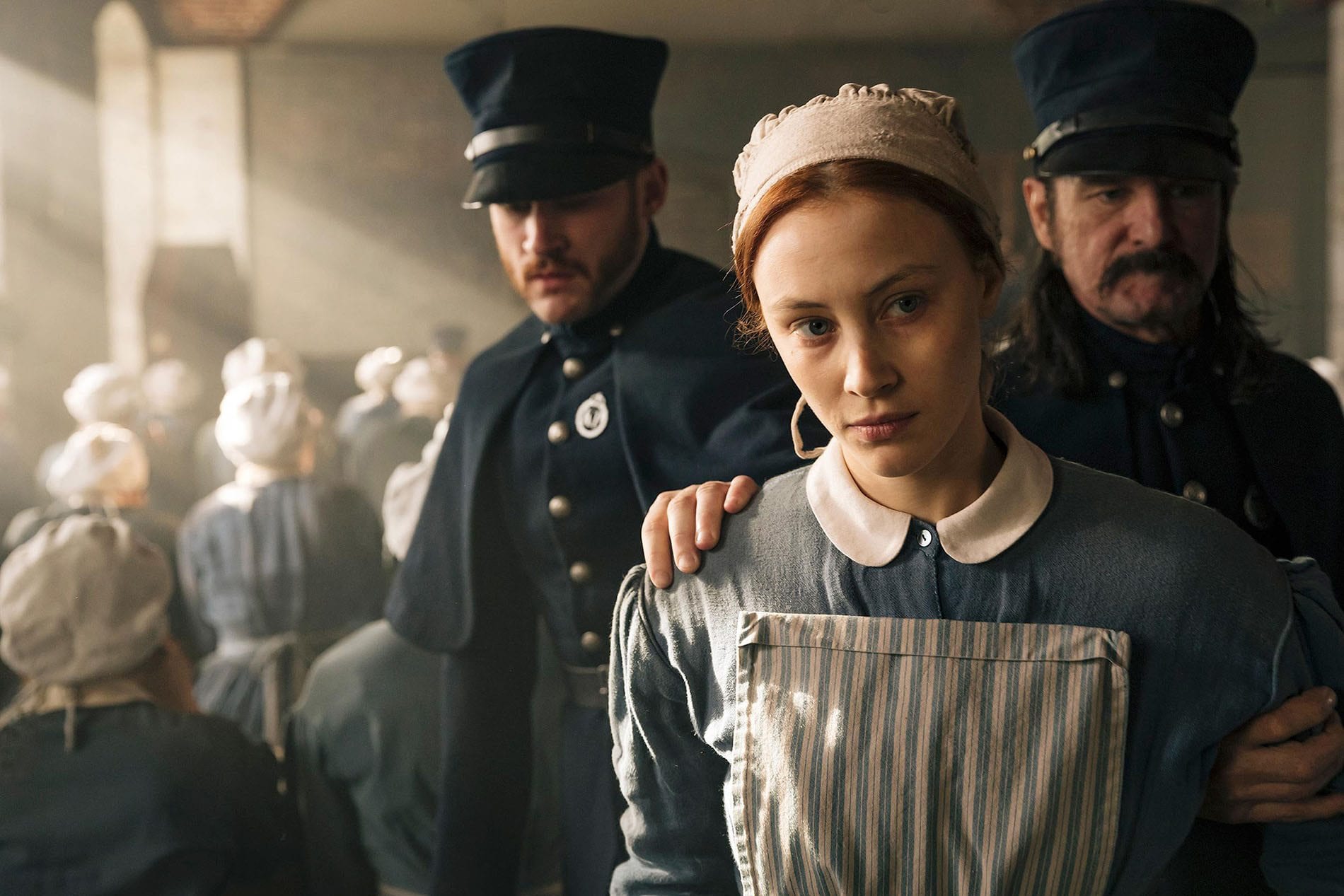
Watch it now! – ‘Alias Grace’, ‘Take Every Wave’, ‘Battle of the Sexes’
Alias Grace remains a sharp, contained look at how society tries to fix women into neat little boxes. The 2017 Netflix limited series still draws viewers who appreciate its careful balance of period detail and modern unease.
Streaming Availability and Longevity
Alias Grace streams on Netflix. Battle of the Sexes is available via digital purchase and rental platforms. Take Every Wave documentary sits on major services, giving new audiences easy access to each title years after release. No season two of Alias Grace has appeared as of 2026, yet the series continues to be highlighted for its thematic depth.
Director and Key Talent Career Updates
Mary Harron directed Daliland in 2022, keeping her focus on character-driven stories. Sarah Gadon continues to work in period and prestige roles, carrying forward the same quiet intensity she brought to Grace Marks. Their later projects show the same interest in complicated women that defined the miniseries.
Alias Grace Logline: A true-life drama done the Margaret Atwood/Netflix way. Verdict: “If there has been a crime, people want a guilty person. Rightly or wrongly, it does not matter.” The success of Hulu’s Emmy-winning The Handmaid’s Tale ensured that more Margaret Atwood adaptations would follow, and Netflix is quick out of the gate with Alias Grace. Treading similar thematic terrain as A Handmaid’s Tale with its portrayal of toxic domesticity, Alias Grace is nonetheless an altogether different beast. Directed with pristine style by Mary Harron, Alias Grace uses the real-life story of Grace Marks (Sarah Gadon) and the alleged murder of her employers to dissect the ways women feel pressured into avoiding their true selves via various archetypes. It may look like your typical period drama, but that’s just so its own true, sharp self can be better concealed.
Laird Hamilton's Ongoing Influence
Laird Hamilton remains active in big wave surfing and podcasts as of 2026. He continues to lead in fitness and entrepreneurship, extending the reach of the portrait drawn in the documentary. His story now functions as both history and living example of how one surfer reshaped an entire culture.
Take Every Wave: The Life of Laird Hamilton Logline: The story of how king of the waves Laird Hamilton shaped surf culture one tube at a time. Verdict: Take Every Wave: The Life of Laird Hamilton is the unbelievable story of the Evel Knievel of the sea. Documentaries and surfing go hand in hand, but normally surf films are focused on the waves and the action, rather the biographical details of the people riding them. As Rory Kennedy (Last Days in Vietnam) proves with Take Every Wave, it doesn’t always have to be that way, particularly when you’re dealing with someone like Laird Hamilton (Waiting for Lightning), whose figure looms as high over surf culture as the epic waves he pursues. However, Kennedy wisely avoids making Take Every Wave just another hagiographic biodoc; instead, it’s a fair and unflinching investigation of all the ways Hamilton changed surf culture, for better and worse. Hamilton stays active in 2026 with media appearances, and his legacy as pioneer endures.
Enduring Cultural Relevance of Battle of the Sexes
Billie Jean King received the Presidential Medal of Freedom. The 1973 match drew over ninety million viewers worldwide. These numbers keep the film’s discussion of pay equity and identity alive in current sports conversations.
Battle of the Sexes Logline: What happens when an outspoken feminist activist and a fast talking chauvinist showman come together in a tennis match made in hell? Verdict: One of the greatest victories for women’s rights didn’t happen in a courtroom, but on a tennis court. Valerie Faris and Jonathan Dayton’s Battle of the Sexes couldn’t have come up at a better (or worse?) time. The cartoonish antics of aging male tennis champ Bobby Riggs (Steve Carell) attempting to goad reigning women’s tennis champ Billie Jean King (Emma Stone) into a “battle of the sexes” seem downright quaint. The film certainly doesn’t lack for entertainment value, but what’s surprising is how subversive it is, using underdog sports hero clichés as a distraction to tell its real story: King’s struggles to accept her sexual identity and have a fulfilling relationship with a woman. Along the way, the film also condemns “gentlemen” who think politeness masks their bigotry, the sports world’s pay inequality, and the over commercialization of athletics. Consider this the rare sports film with brains. Strong Rotten Tomatoes scores persist, and recent viewers continue to note the accurate depiction of the era and its lasting impact.