



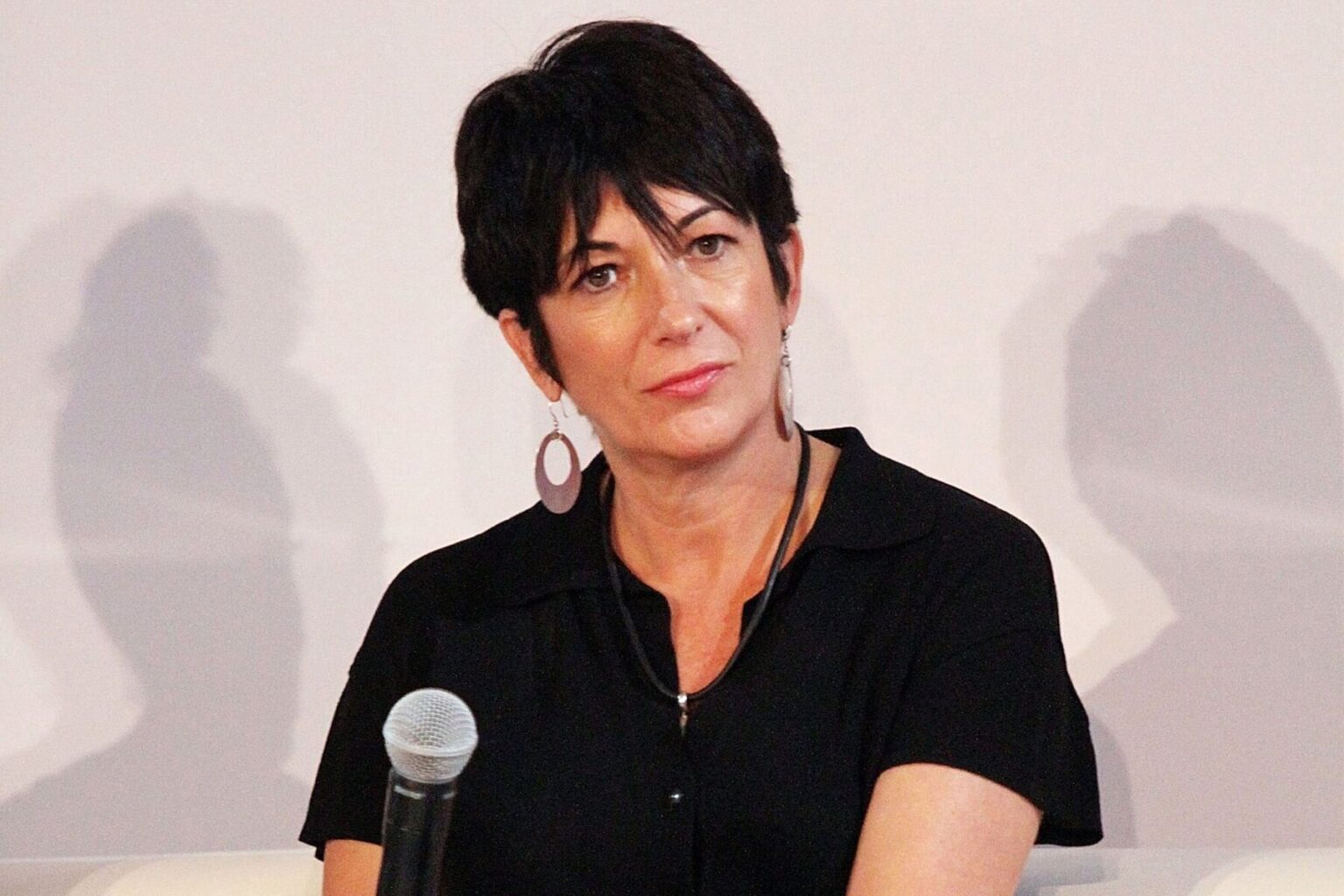
How are prison officials working to keep Ghislaine Maxwell alive?
Prison conditions for Ghislaine Maxwell have shifted substantially since her 2021 conviction and 2022 sentencing, and the protective steps once described in 2020 now belong to a specific pre-trial window rather than her present circumstances. The Bureau of Prisons has adjusted housing, oversight, and program access in line with her security classification, while legal teams and lawmakers continue to scrutinize the fairness of those choices.
Anti-suicide smock
The anti-suicide smock and associated suicide-watch protocols were applied at the Metropolitan Detention Center in Brooklyn after her July 2020 arrest and again briefly in June 2022 ahead of sentencing. Defense attorneys at the time argued there had been no formal psychological evaluation or documented risk factors to justify the measures. Court filings and contemporaneous reporting show no ongoing use of the smock or active suicide watch since her transfer to minimum-security housing in 2025.
Isolation, but no privacy
At MDC Brooklyn, Maxwell was held apart from general population with continuous video monitoring, periodic cell searches, and monitored calls. Those restrictions reflected the heightened security posture for a high-profile pretrial detainee. After the August 2025 move to the Federal Prison Camp at Bryan, Texas, she entered dormitory-style housing with reduced perimeter fencing and fewer movement controls. Contemporary reports now emphasize questions about privileges rather than isolation.

Current Facility and Security Level
Maxwell was transferred in August 2025 from the low-security FCI Tallahassee to the minimum-security Federal Prison Camp Bryan. The camp offers dormitory housing, limited fencing, and access to work-release and program options for qualifying inmates. Placement at this level for individuals convicted of sex offenses has drawn internal Bureau of Prisons discussion because such assignments are uncommon under standard custody protocols.
Allegations of Preferential Treatment
Whistleblower accounts and congressional inquiries have raised concerns about customized meals delivered to her cell, private visiting areas stocked with snacks, visitor computer access, and staff assistance with documents. Reports also describe private exercise periods and limited service-dog interaction. Several staff members were terminated or reassigned after an email-access incident surfaced in November 2025, prompting further review by oversight offices.

Post-Conviction Legal Developments
Maxwell’s legal team has pursued appeals and sentence-modification motions since the June 2022 imposition of a 20-year term, five years of supervised release, and a $750,000 fine. A December 2025 filing asked the court to vacate or amend the sentence. The Supreme Court declined to review the case in October 2025, leaving the original sentence intact. Additional filings continue to argue procedural and evidentiary issues from the original trial.

Public and Political Reaction to Transfer
Survivors, former Bureau of Prisons employees, and members of Congress have criticized the minimum-security placement. House Democrats requested facility visits and internal documents, citing evidence of preferential treatment. Attorney General statements have reiterated that Maxwell is expected to serve the full term without early release or commutation. The debate now centers on whether the transfer reflects appropriate custody classification or an unwarranted reduction in conditions.
Maxwell’s lawyers aren’t happy
Earlier complaints focused on suicide-watch restrictions and monitored communications that defense counsel said hampered trial preparation. After conviction, the emphasis shifted to post-sentencing appeals and sentence-reduction motions. Recent filings and public statements address alleged privileges at the camp rather than overly restrictive treatment, reflecting the change in Maxwell’s legal status and housing.
Is it fair?
Public discussion has moved from pre-trial fears that Maxwell might not survive to stand trial to questions about whether the minimum-security assignment and reported accommodations constitute leniency. Original skepticism tied to Jeffrey Epstein’s 2019 death and the hashtag #MaxwellDidntKillHerself has largely given way to scrutiny of facility placement and internal Bureau of Prisons decision-making. Attorney General remarks continue to stress that the full sentence must be served regardless of housing level.
