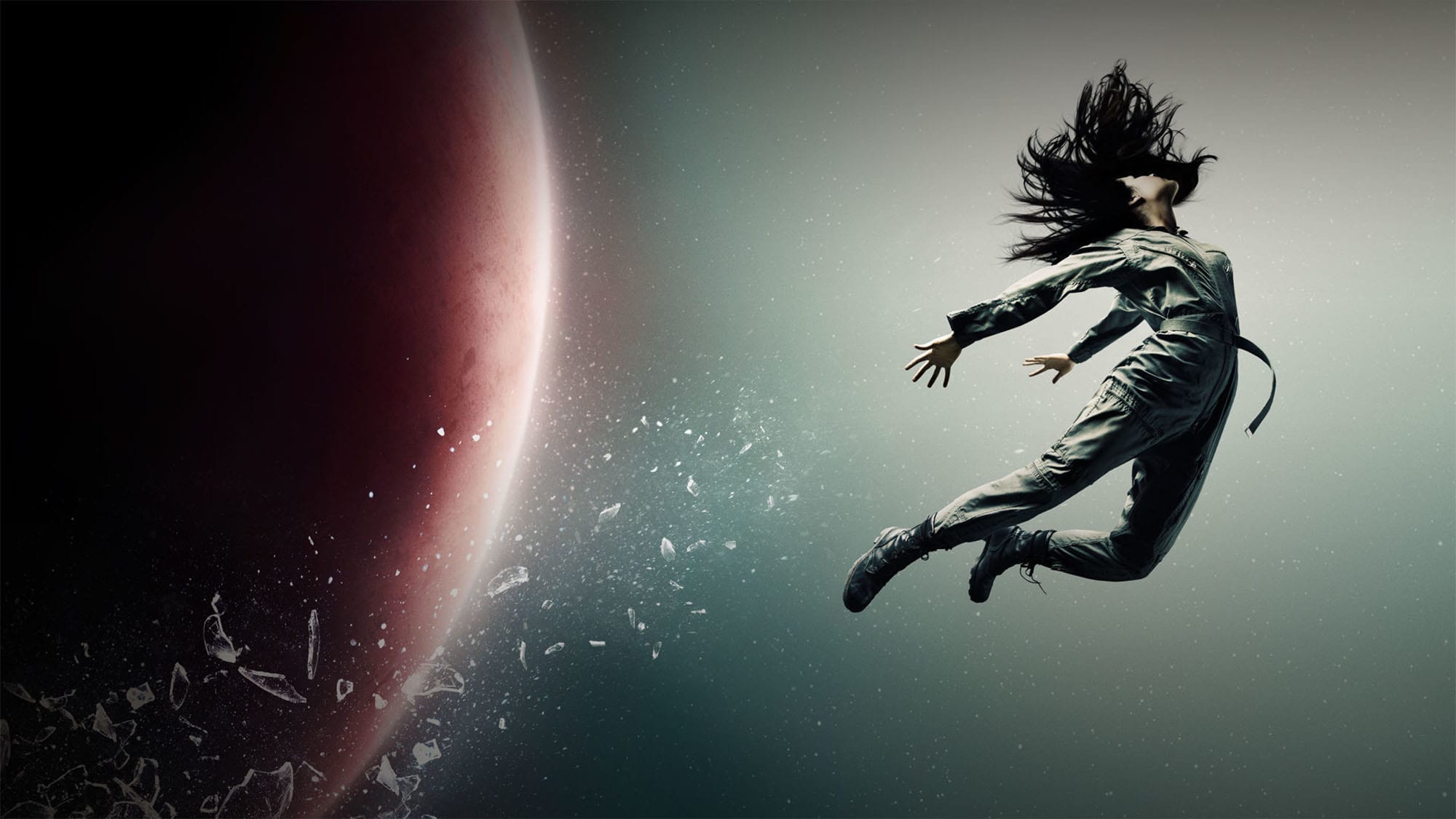
In space, no one can hear you snore: Why ‘The Expanse’ shouldn’t be saved
Earlier this month, Syfy announced it had decided not to renew sci-fi series The Expanse for a fourth season. The show – beloved by many for reasons that continue to evade us – is now reportedly in line to possibly be saved by Amazon Studios. However, The Hollywood Reporter noted that the “deal is not closed” yet and we’re inclined to argue that maybe it just shouldn’t be. Maybe The Expanse had a fair run of it for three seasons and it’s time for it to end. Before we start getting real about the show’s shortcomings, there are a few things we genuinely like about the series. For one thing, The Expanse has some of the best sets of any sci-fi series on television and features some amazing world building as a part of that. It’s easy to see how fans have managed to so eagerly lose themselves within the show when it’s created such bold escapist dimensions to do so. This is where the show is flourishing, so please take a moment to soak that positivity in and give the slowest clap you can muster for the minor success of The Expanse. Because now we’re onto the meat of the issue – in terms of plot and characters, The Expanse has always fallen short. It isn’t just that the show has a clusterfuck of characters who feel far too generic to be compelling – it’s also that the plot constantly struggles to link them in a way that feels anything but vague and incoherent. That’s a massive issue in a show with such ambitious world building scope to it and it’s been an issue since the very first episode. As pilots go, the one for The Expanse is so infuriatingly muddled and disjointed (something definitely not helped by the atrocious editing) that it’s almost impossible to decipher who these characters are and what they mean to each other while also trying to understand the rules of this futuristic universe.
Positive elements (sets and world-building)
Visual effects and production design remained highlights across all six seasons. Hard sci-fi physics and political world-building cited as strengths in reviews. The detailed environments and grounded technology gave the series a rare tactile quality that many prestige space shows still chase. Reviewers kept returning to the same point: the show made orbital mechanics and station politics feel lived-in rather than decorative. That consistency across the full run helped the series hold its audience even when storylines shifted platforms and budgets.
Plot and character criticisms
Early-season issues with coherence and generic characters were largely addressed as the series progressed with deeper arcs and clearer narratives. Seasons 4-6 expanded character development and interconnected plots. Critics noted improved pacing and emotional depth in later seasons. The first three seasons often felt like they were juggling too many threads at once, but the later installments tightened the focus and let individual motivations breathe. Viewers who stuck around saw payoffs that the pilot simply could not deliver on its own.
The Series' Complete Run and Conclusion
Season 6 served as the final season released January 2022. Story reached a narrative close adapting core book material. Amazon stepped in after Syfy’s exit and allowed the writers to map out a deliberate endpoint rather than stretching the material thin. The final episodes delivered the kind of payoff that felt earned for fans who followed every station corridor and political maneuver from the start. No dangling threads were left for hypothetical spin-offs that never materialized.
Critical Reception and Awards Legacy
95% Tomatometer overall. Three Hugo Awards won. 8.5/10 IMDb rating. The aggregate numbers tell a clearer story than any single season’s mixed notices. Awards voters rewarded the show’s blend of hard science and political maneuvering, and the high user rating on IMDb reflects repeat viewings once the full arc was available. The series earned its reputation as one of the more ambitious genre entries of its decade.
Adaptation Choices: Books vs. Screen
Show introduced key characters like Avasarala earlier. Character arcs and some plot points adjusted for TV format. Those choices helped the television version build momentum faster than a strict page-for-page adaptation would have allowed. Later seasons leaned into the altered timelines, giving supporting players more room to influence the central conflict. The adjustments paid off once the story moved beyond the initial three-season window.
Fan Campaign Impact and Streaming Era Revival
Massive petition and fan efforts in 2018. Amazon produced three additional seasons. The #SaveTheExpanse push proved that organized viewer pressure could still move a major platform in the right direction. The campaign turned a quiet cancellation into a visible win for genre television at a moment when streaming services were still figuring out how to handle long-running sci-fi. Those extra seasons let the story finish on its own terms instead of vanishing mid-arc.
The completed run showed how early weaknesses could be corrected once the production settled into a rhythm. The sets and physics stayed strong from start to finish, and the character work improved once the writers had room to expand. Awards recognition and solid user scores suggest the series found its audience even after the platform switch. The fan campaign that kept it alive also demonstrated how streaming economics can sometimes reward persistence. In the end The Expanse reached its planned conclusion without needing further rescue, leaving behind a six-season record that balances its early stumbles with later strengths.