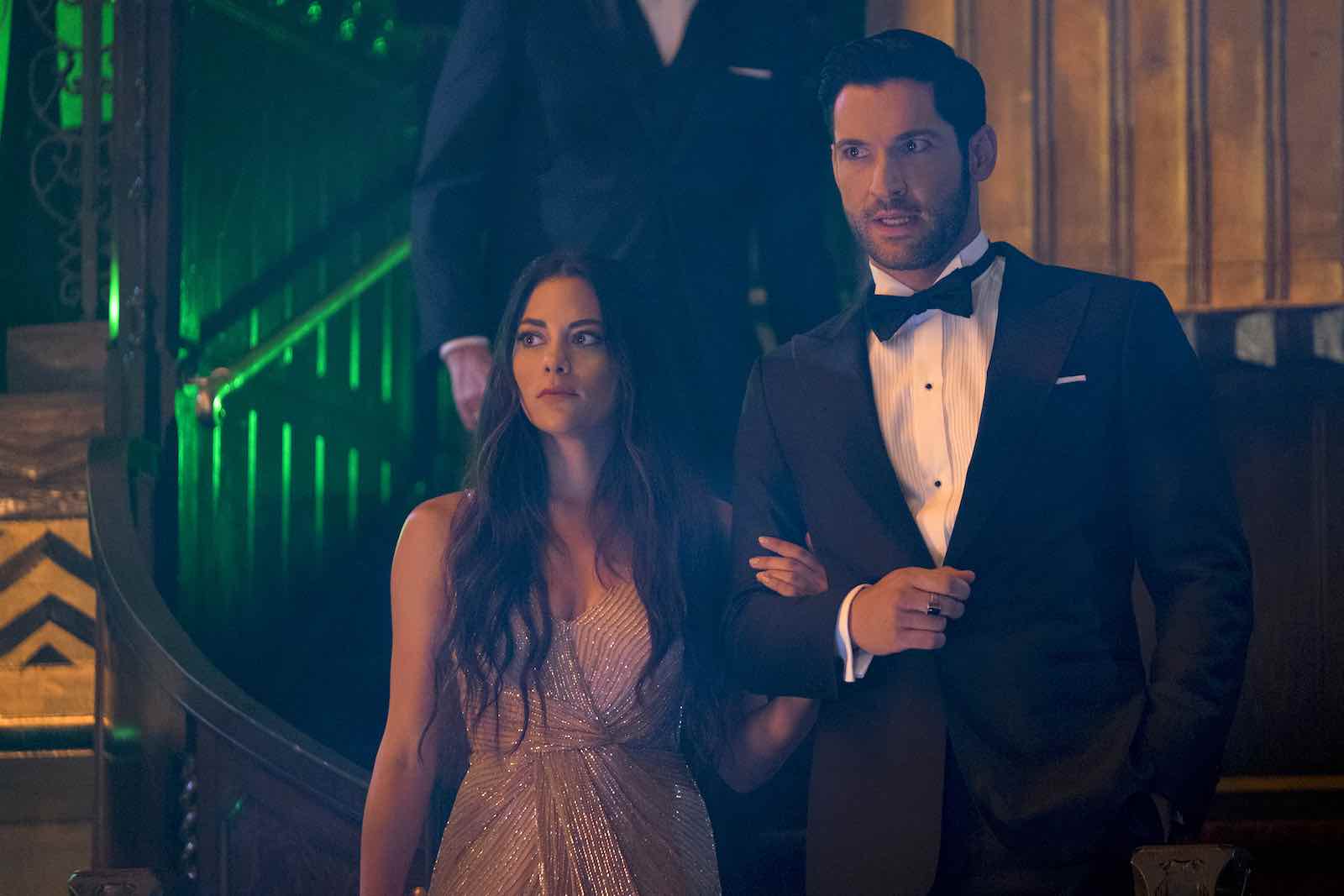
‘Lucifer’ and his new season 4 lewks for Netflix
Lucifer season 4 arrived with the kind of fan-driven momentum that turned a canceled Fox drama into a streaming favorite, and the butterflies that built up before its May 8, 2019 drop still flutter for longtime viewers. The show’s move to Netflix promised a different pace, fewer commercial breaks, and a devil who finally had room to stretch his wings without network oversight.
Netflix picked up the series after an outcry loud enough to rattle the gates of Hell, rescuing the procedural from a baffling 2018-2019 Fox schedule that had already dropped Brooklyn Nine-Nine and Ghosted. All ten episodes landed at once, shifting the weekly cliffhanger rhythm to a full-season binge model.
Chloe’s discovery of Lucifer’s devil face left the pair navigating raw honesty instead of clever denial, and Eve’s sudden return from Heaven added a second volatile presence to the LAPD-adjacent love triangle. Inbar Lavi’s Eve appeared in eight episodes that season, creating temporary romantic friction that resolved by the finale.
Nudity and Content Boundaries
Tom Ellis had teased that Netflix would let the team push further, and showrunner Joe Henderson finally delivered the long-promised Ellis backside in the season premiere. The scene landed early in episode one and then the show largely returned to its usual playful tone rather than leaning into widespread new explicitness.
Ellis told EW the season would be the strongest yet because characters now knew Lucifer’s true identity, removing the old “no one believes he’s the devil” conceit. The limited boundary shift kept the focus on character work instead of turning the series into something else entirely.
Season 4 Reception and Legacy
The season earned a perfect 100% Tomatometer score on Rotten Tomatoes and remains one of the installments most frequently cited by fans as a high point. The tighter ten-episode run allowed tighter plotting and more screen time for supporting characters who had previously hovered at the edges.
Critics and viewers alike noted how the move to Netflix let the writers explore the emotional fallout of Chloe’s knowledge without resetting the status quo every week. That clarity carried through the rest of the series run.
Eve’s Full Arc Across the Series
Eve began as a wide-eyed returnee from Heaven who quickly became entangled with both Lucifer and Maze. After the season-four romantic triangle resolved, she stepped back into a guest role in season five before settling into a recurring presence in season six.
Her story eventually shifted from celestial romantic interest to bounty hunter, culminating in marriage to Maze. Inbar Lavi’s portrayal kept the character’s innocent wonder intact even as the writers expanded her beyond the initial “original sinner” premise.
Impact of the Netflix Move on Production
The shift from Fox’s typical twenty-two-episode seasons to Netflix’s ten-episode model changed the rhythm immediately. Writers had to compress arcs while still delivering the procedural cases that anchored each week.
The simultaneous drop meant no mid-season breaks or network notes on tone, yet the increase in mature content stayed modest. The biggest practical change was the absence of commercials and the freedom to let scenes breathe without cutting for act breaks.
Series Conclusion and Fanbase Longevity
The show ran for six seasons total before ending on September 10, 2021. That final season gave Lucifer and Chloe the closure fans had waited for since the early Fox days.
Years later the series still draws new viewers through rewatches, and the season-four pivot remains a favorite reference point for anyone tracing how a network castoff became one of Netflix’s most reliable comfort watches. The devil may have left the building, but the fandom keeps the lights on.