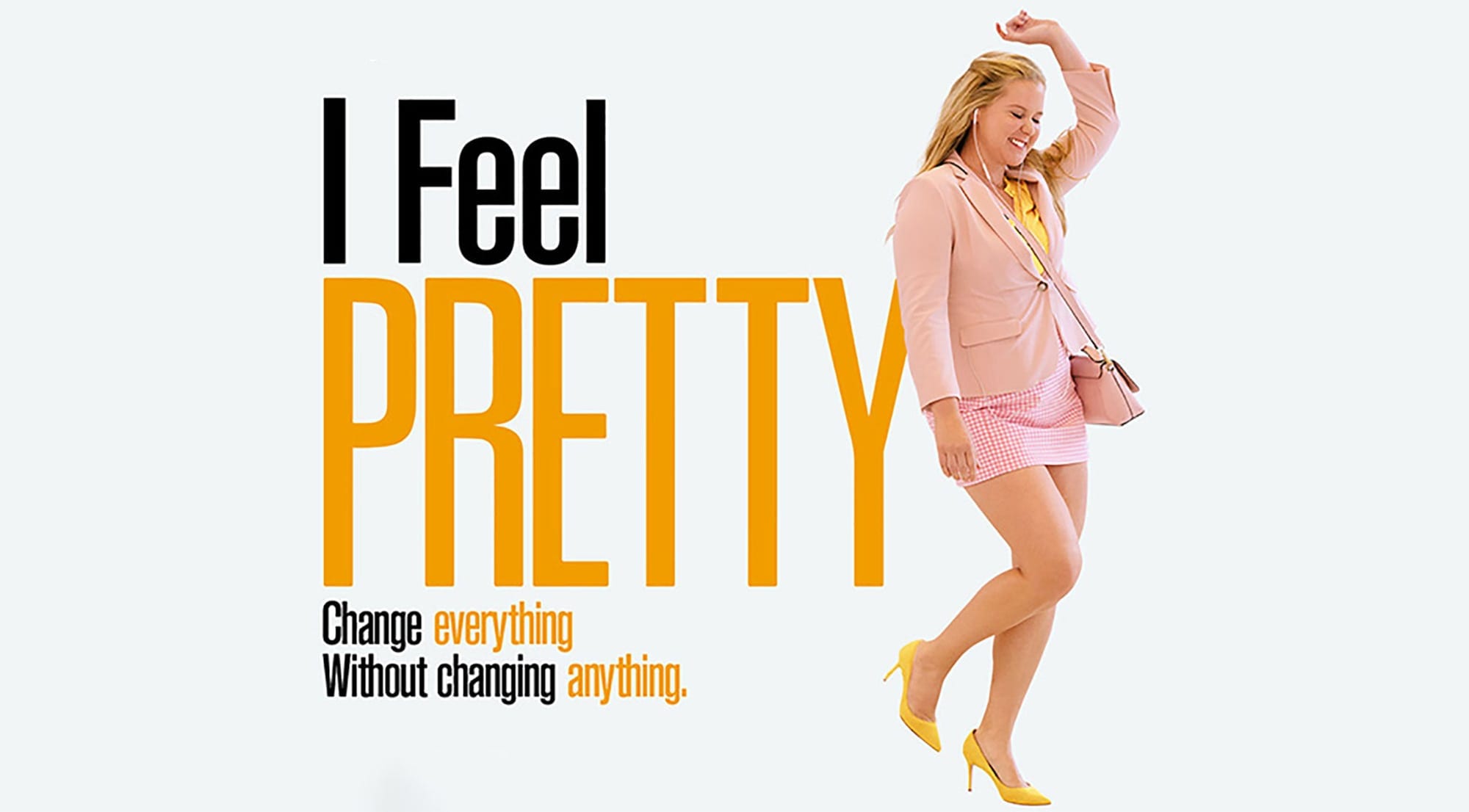
The lessons we (shouldn’t) learn from ‘I Feel Pretty’
The 2018 comedy I Feel Pretty still pops up on streaming queues, and its central premise continues to rankle. A head injury that magically rewires a woman’s self-image remains a blunt device, and the film’s attempts to mock beauty standards often end up reinforcing them. The original satire stands, yet the movie’s longevity on Netflix and its 35 percent Rotten Tomatoes score invite a second look at what audiences are still meant to take away.
Hit your head and maybe you’ll look in the mirror and like yourself
The opening sequence hinges on Renee’s spinning-class wipeout. She lands hard, hair tangled in the bike wheel, and wakes convinced she has transformed. Critics at the time noted how casually the film treats traumatic brain injury as a personality switch. The gag plays for trailer laughs, yet it glosses over real concussion risks that include memory loss, mood shifts, and long-term damage. Viewers are asked to root for a medical event that would, in reality, send most people straight to urgent care. The scene sets the tone for every subsequent lesson the movie tries to sell.
The Concussion Trope in Modern Media
Hollywood has leaned on head trauma for quick character flips for decades. From romantic comedies to workplace farces, a single blow erases inhibition or installs sudden charisma. The pattern trivializes documented effects of concussions documented by neurologists and sports-medicine studies. I Feel Pretty simply recycles the shortcut at a moment when public conversation around athlete safety and domestic head injuries had already grown louder. The device feels less like satire and more like narrative laziness.
Your friends will be confused by your new-found confidence, but ultimately accept it without complaint
Renee’s two closest friends watch her strut into their regular bar and insist she is unrecognizable because of her sudden hotness. After a beat of confusion they roll with the premise so the script can move forward. In a sharper film the women might have voiced concern or suggested medical attention. Instead they order shots and normalize the change, turning friendship into convenient set dressing.
Amy Schumer's Evolving Public Narrative on Body Image
Schumer has since spoken openly about Cushing syndrome, perimenopause, and the decision to use weight-loss medication. She has posted unfiltered bikini photographs that emphasize comfort rather than transformation. Those updates sit in contrast to the movie’s premise that only an external jolt can produce self-acceptance. Her later emphasis on health-focused authenticity undercuts the film’s reliance on a single fantastical moment to reach the same conclusion.
Your date will be intimidated by your confidence until they receive validation from strangers
The beachfront bikini contest remains the film’s most uncomfortable set piece. Renee dances while the camera lingers in slow motion for the male crowd. Her date Ethan, played by Rory Scovel, stays visibly uneasy until other men signal approval. Only then does attraction click into place. The sequence reduces confidence to something that must be externally certified before it counts as attractive.
Body Positivity Backlash and the 2018 Cultural Moment
The trailer landed amid heated arguments over representation and fat-shaming. Some viewers argued the premise mocked internal self-doubt; others saw it as another story that centered a conventionally attractive star while pretending to speak for larger bodies. The debate placed the film inside a larger cultural argument that has only grown more layered since. Its mixed messaging now reads as a snapshot of that particular year rather than a lasting statement on body image.
You can hold onto confidence in the workplace when you know you look good
Renee lands the receptionist job at the beauty company through genuine enthusiasm for the product line. The moment briefly suggests that passion can outweigh appearance. That goodwill evaporates once she begins judging colleagues on looks and adopts the same gatekeeping behavior she once resented. The film undercuts its own point by showing confidence that is still tethered to surface judgments.
Streaming Legacy and Reappraisal
Years later the movie sits on Netflix with the same middling score. Some viewers rediscover it as a period piece about 2018 anxieties; others find the central joke still lands with a thud. The endurance on streaming platforms keeps the conversation alive without softening the original critique of its premise.
Be yourself and everything will be okay!
After the second head injury restores the status quo, Renee leans into her own voice to pitch an affordable product line aimed at everyday customers. The turn toward self-acceptance mirrors the message Schumer has carried into later interviews and social posts. The ending gestures at growth, yet it still arrives through the same contrived mechanism the film never fully interrogates. The lesson lands only after the story has spent most of its runtime insisting confidence requires an external trigger.