



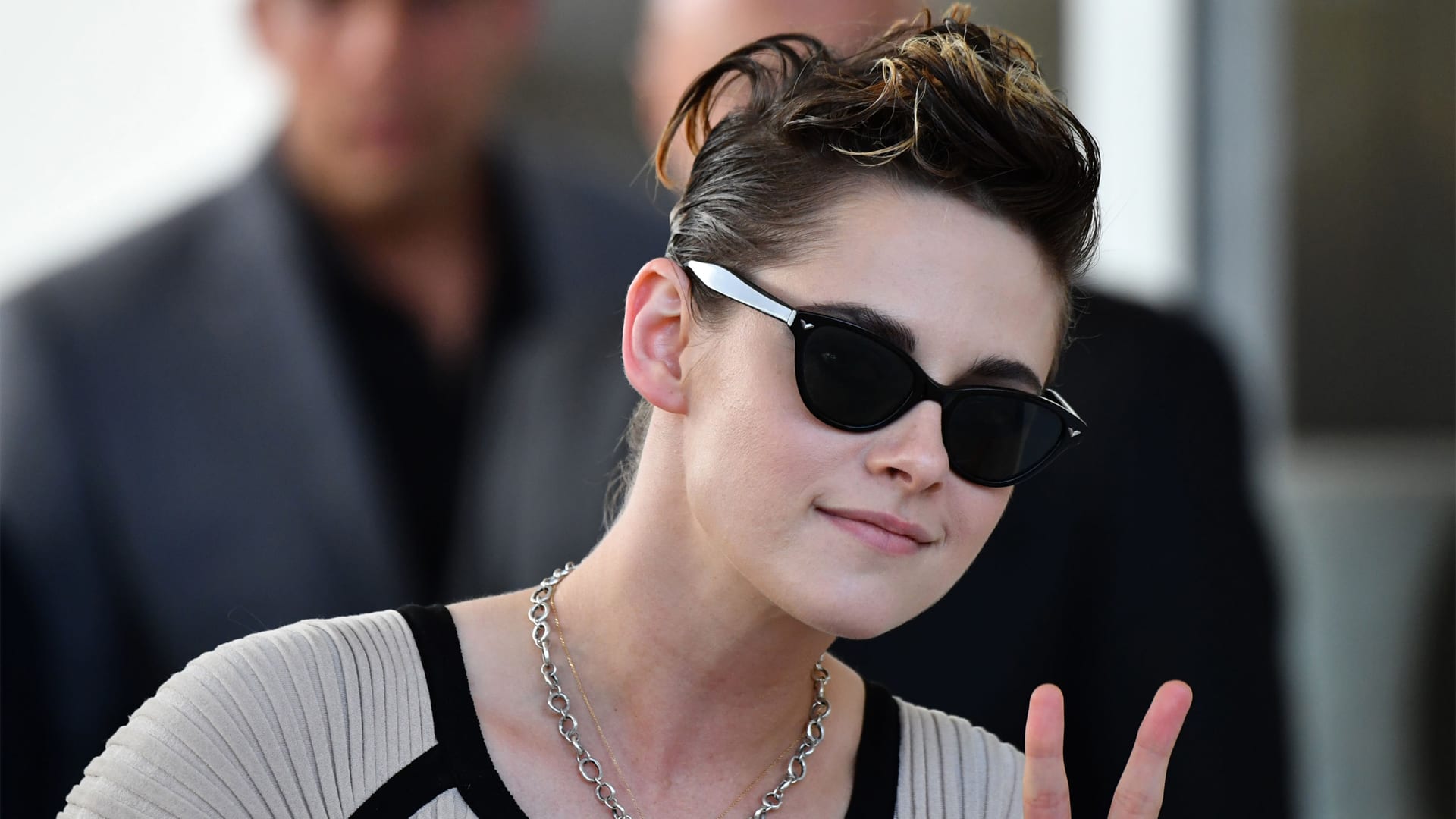
The hottest hoax films to celebrate Kristen Stewart’s return
Kristen Stewart returned to the big screen alongside Laura Dern in Justin Kelly’s 2019 film JT LeRoy. The story centers on Laura Albert, who wrote under the name JT LeRoy and became a literary sensation in the nineties. Stewart plays Savannah Knoop, who stepped into the role of the fictional author for public appearances. The deception unraveled after a New York magazine article revealed that LeRoy was a creation and that Knoop had been the one in the wig and sunglasses. The movie draws from Knoop’s own memoir and keeps the focus on how the hoax played out in real time. That same fascination with elaborate cons and false identities runs through plenty of other films and documentaries.
F for Fake (1973)
Orson Welles turned the camera on art forger Elmyr de Hory and fake biographer Clifford Irving. The resulting experimental work moves between their stories and Welles’s own narration to show how easily documents, paintings, and reputations can be manufactured. It remains a sharp look at the mechanics of fakery from one of cinema’s great showmen.
The Hoax (2006)
Richard Gere plays Clifford Irving in Lasse Hallström’s account of the fake Howard Hughes autobiography. Irving sold the fabricated manuscript to a major publisher and kept the lie going through interviews and press events. The film follows the planning, the sale, and the eventual collapse when the truth surfaced.
The Greatest Showman (2017)
Hugh Jackman stars as P.T. Barnum in a musical that traces his rise from modest beginnings to entertainment impresario. Barnum built early fame by exhibiting Joice Heth as George Washington’s 161-year-old nurse, then floated rumors that she was actually an automaton. After her death the story fell apart, revealing a much younger woman who had been used for profit. The movie keeps the focus on Barnum’s showmanship while nodding to the deceptions that launched his career.
BlacKkKlansman (2018)
Spike Lee’s film recounts how Colorado Springs police officer Ron Stallworth infiltrated the Ku Klux Klan by phone and through a white colleague who handled in-person meetings. The operation relied on sustained deception to gather evidence against the group. The story mixes procedural detail with pointed commentary on the persistence of white supremacy.
An Honest Liar (2014)
The documentary follows magician and skeptic James Randi as he exposes fraudulent claims by faith healer Peter Popoff and spoon-bender Uri Geller. Directors Justin Weinstein and Tyler Measom capture Randi’s long career of testing paranormal assertions and the methods he used to demonstrate the tricks behind them.
I’m Still Here (2010)
Joaquin Phoenix and Casey Affleck staged a months-long performance in which Phoenix appeared to abandon acting for a rap career amid a public breakdown. The footage was later revealed as preparation for the mockumentary I’m Still Here. The project tested how far an actor could maintain an invented persona in front of cameras and late-night hosts.
The Woman Who Wasn’t There (2012)
Tania Head rose to prominence as a 9/11 survivor and later led the World Trade Center Survivors’ Network. Investigation showed she had not been in the towers that day and that her entire account had been fabricated. The documentary traces how the story took hold and what the exposure revealed about the need for public figures in tragedy.
Nancy (2018)
Andrea Riseborough plays a woman who creates false online identities to form connections. When she meets a couple whose daughter disappeared decades earlier, she begins to believe she might be their child. Christina Choe’s film watches the boundary between invention and belief blur without offering easy judgment.
The Imposter (2012)
Bart Layton’s documentary follows a young man in Spain who claimed to be a missing Texas teenager. The family welcomed him despite clear differences in appearance and speech. The film tracks the investigation that exposed the forged identity and the reasons the deception lasted as long as it did.
The Tinder Swindler (2022)
Felicity Morris’s Netflix documentary examines how Simon Leviev used dating apps to convince women he was a wealthy diamond executive in need of temporary funds. Victims describe transferring money that Leviev never repaid. The film uses interviews and messages to map the pattern of the scheme and its eventual exposure.
Bad Vegan: Fame. Fraud. Fugitives. (2022)
The four-part series tracks restaurateur Sarma Melngailis and the financial collapse of her raw-vegan empire. A romantic partner convinced her that paying large sums would protect the business and grant pets immortality. The series follows the money trail, the legal consequences, and the role of deception in both personal and professional decisions.
I Care a Lot (2020)
Rosamund Pike plays a court-appointed guardian who places wealthy elderly clients in care facilities and drains their assets. The satire follows her operation until one client’s family fights back. Pike’s performance earned a Golden Globe and keeps the focus on the systemic loopholes that allow the scheme to continue.
Operation Varsity Blues: The College Admissions Scandal (2021)
Chris Smith’s documentary details the FBI investigation into a network that paid bribes to secure college spots for the children of wealthy clients. The film includes wiretap recordings and court documents that show how the operation moved money and falsified records. It places the scandal within a larger pattern of privilege and access.
These titles range from period pieces to recent releases, yet each one hinges on someone selling a version of reality that later cracks. Some rely on a single performance; others involve networks of accomplices or institutional gaps. Together they map the different shapes a hoax can take and the reasons people keep falling for them.
