Why you should experience ‘Suspiria’ before it enters remake nation
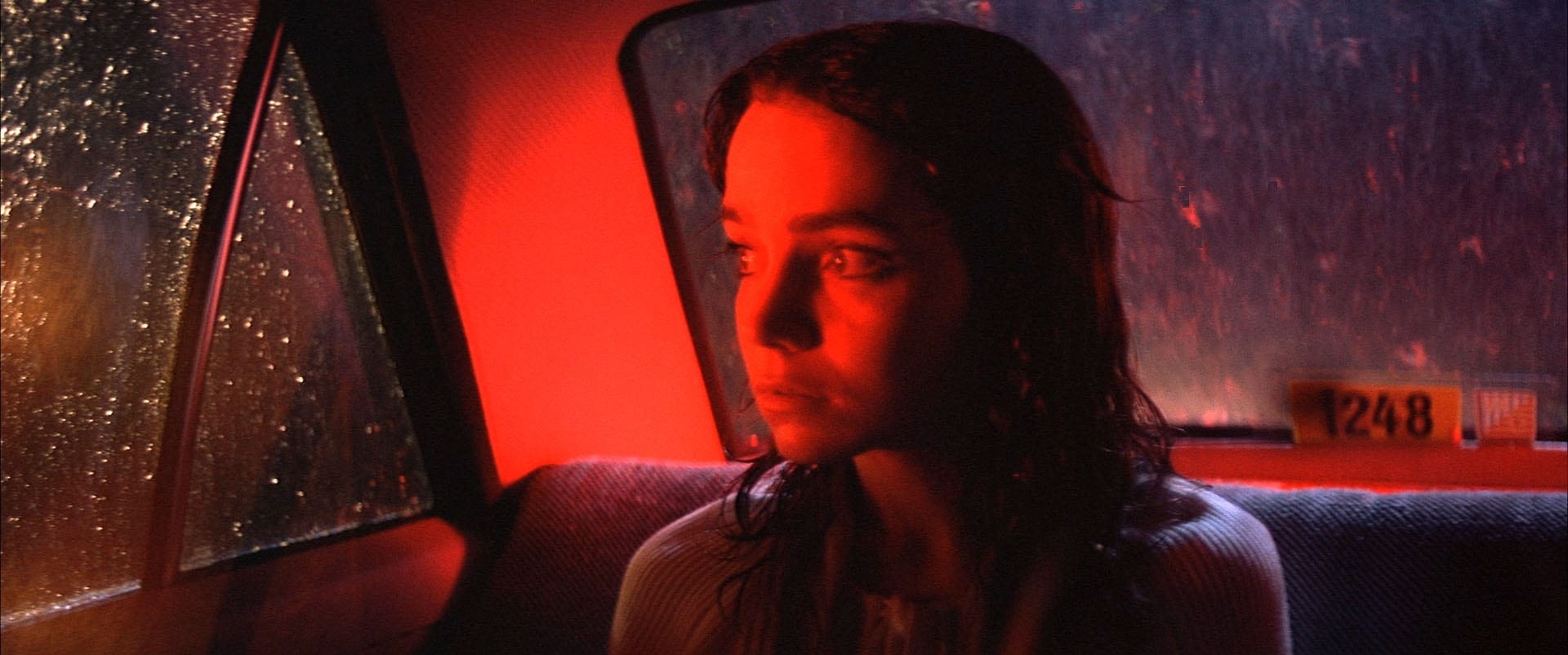
Suspiria – the 1977 horror (or giallo) film by Italian director Dario Argento – is about to unleash its bloody fury on unsuspecting cinema audiences. The seminal masterpiece has been given the remake treatment by Italian director Luca Guadagnino, starring 50 Shades of Whatever actress Dakota Johnson. Guadagnino mesmerised us last year with his peachy film adaptation Call Me by Your Name, based on the novel of the same name by André Aciman. Describing the underground coolness factors of Suspiria is a difficult task – it is a horrendously gorgeous acid trip laced with innovative cinematography and feminist themes, leaving viewers stunned and paralyzed. Vivid reds, blues, and greens engulf every corner of the screen throughout, acting as a drug for the retinas. Camera views are inventively sporadic in the most polished way. Who would have thought to shoot footage through the convex glass of a light bulb other than Argento?
Argento built the picture around a Berlin dance academy run by women who practice witchcraft, and the story follows an American student who arrives seeking training. The film never pauses to explain its rules. Instead it floods the frame with saturated light and lets the performances carry the dread. The cast, mostly women, moves through corridors that feel both glamorous and menacing, and the score by Goblin turns every hallway into a trap.
The 2018 Remake's Reception and Legacy
Guadagnino released his version in 2018 after premiering it at Venice. The film earned mixed reviews that praised its visuals and performances while noting its length and thematic weight. It grossed under eight million dollars worldwide against a twenty-million budget, marking a commercial disappointment. Guadagnino called the project a cover version rather than a strict remake, and the result sits alongside the original as a separate interpretation rather than a replacement.
Enduring Influence of Argento's Suspiria
The 1977 film continues to shape horror through its color choices and score. Directors and game designers still reference the palette and the way the camera lingers on ordinary spaces until they turn hostile. Restorations keep the print in circulation, and critics regularly place it on lists that treat horror as a serious art form rather than disposable genre work. Its influence shows up in later titles that favor bold lighting over conventional shadows.
What Happened to the Planned Sequel
Guadagnino originally planned his Suspiria as the first part of a larger story. After the 2018 release underperformed, he canceled the follow-up in 2020. No further installments appeared, and the single film stands as the only modern take that reached theaters.
Feminist Readings and All-Female Worlds in Suspiria
Argento set the original inside an all-female environment that explores dark magic without male authority figures. The remake expands those ideas into questions of motherhood and generational trauma. Viewers still debate which version feels more explicitly feminist, yet both films treat the academy as a closed system where power moves through women and the body becomes the site of conflict.
Restorations and Modern Accessibility
Recent 4K restorations and international trailers have kept the 1977 print visible into 2025. The film appears on various home media editions and streaming platforms, making the original easier to reach than at any point since its initial run. Audiences who want the source of the style that later versions reference can locate it without hunting through specialty stores.
Argento never needed a sequel or a bigger budget to make the story land. The original still delivers its shocks through light and movement rather than exposition, and the academy remains one of cinema's most unsettling enclosed worlds. Viewers who skip it miss the foundation that every later Suspiria project builds upon.