Diverse movies show New Zealand is more than just a film location
New Zealand has long drawn big studio dollars for sweeping landscapes and green-screen stages, yet the country’s own filmmakers keep carving out space with lean, sharp, and stylistically varied work. From taut thrillers to intimate musicals, the domestic slate proves that modest budgets need not mean modest ambition, and the conversation keeps widening as Māori and Pacific voices gain more screen time and institutional support.
Low in budget, high in quality
Domestic features routinely prove that tight financing can still deliver craft and nerve. Psychological thriller Coming Home in the Dark and musical drama Daffodils both came in under a million dollars, yet each earned strong festival notices and theatrical runs. The pattern continues with The Weed, a 2026 shoestring comedy-horror that has already booked twenty-one screens across the country on word-of-mouth alone. Audiences show up when the storytelling is confident, regardless of the size of the crew.
Indigenous Voices and Māori Cinema
Māori and Pacific filmmakers have moved from the margins to the center of the national conversation. The NZ Film Commission now backs a steady stream of projects that examine colonization, identity, and contemporary life without softening the edges. Māoriland Film Festival programs between 108 and 130 titles from Indigenous nations each year, creating a pipeline that feeds both local theaters and international sales agents. These films travel because they speak plainly about history while still delivering the craft that festival programmers crave.
Recent International Co-Productions
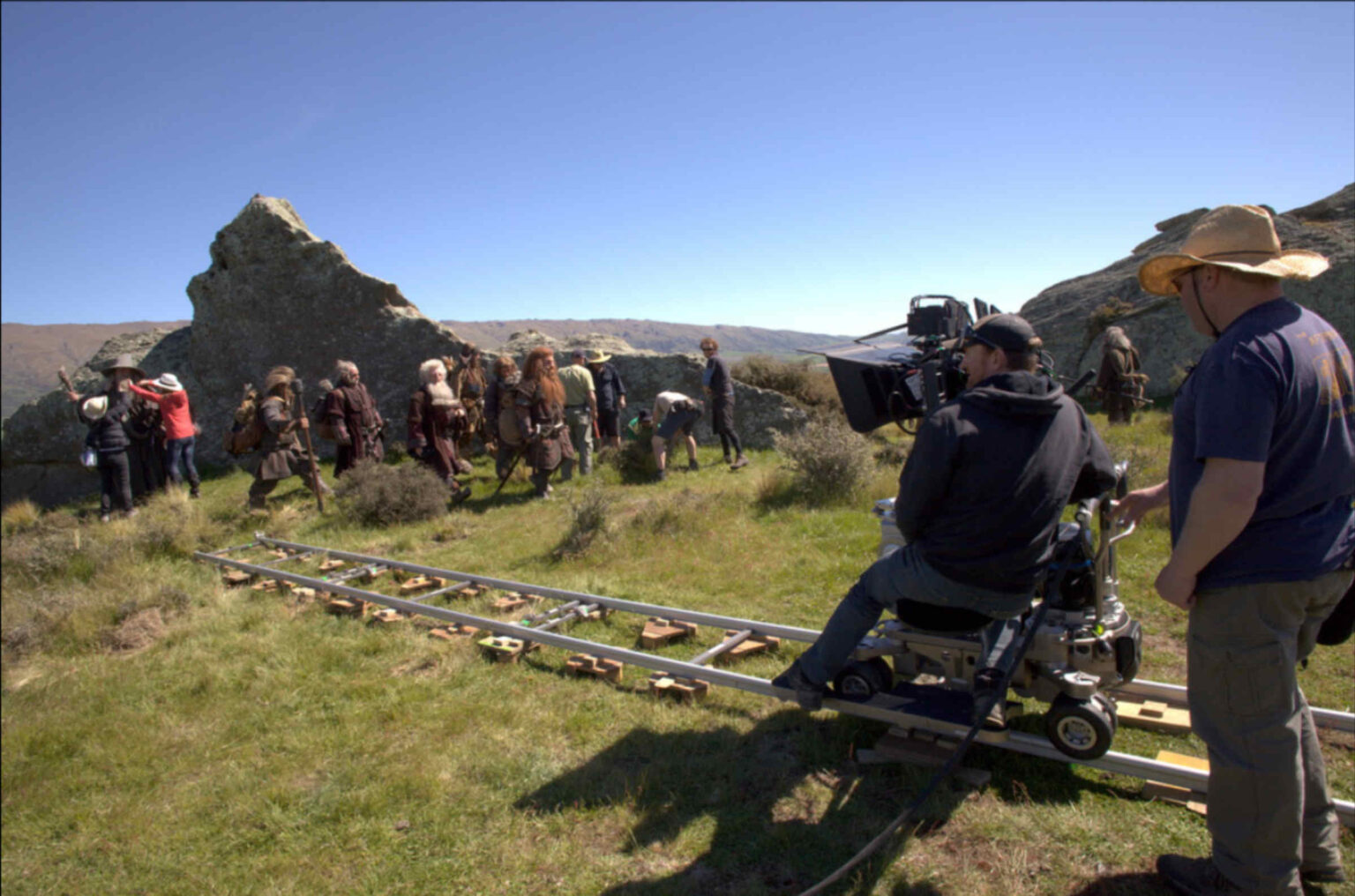
Global franchises keep returning because the rebate structure rewards scale. The NZ Film Commission lists upcoming shoots for Avatar: Fire and Ash, A Minecraft Movie, and Predator: Badlands, all scheduled to roll in 2025. These productions bring infrastructure spending and crew work while leaving behind skills and facilities that smaller local projects can use. The rebound effect is real: when a blockbuster spends months on location, the grip trucks and post houses stay busy for the next indie feature.
2026 Film Festival Highlights
Forward calendars already point to a broad slate. The New Zealand International Film Festival 2026 opens with a documentary on rugby legend Jonah Lomu alongside international titles and local debuts. Early previews from Flicks note road-trip comedies, gothic horror, and music docs sharing the same program, a mix that mirrors the range of stories New Zealand now exports. The variety signals that the country is no longer content to serve only as a picturesque backdrop.
Small-Budget Hits on the Festival and Theater Circuit
Independent titles continue to punch above their weight once they leave the edit suite. The Weed again offers the clearest current example: a micro-budget comedy-horror that began on the festival circuit and is now touring mainstream theaters to enthusiastic crowds. Similar titles often travel next to Māori-led features and music docs, giving programmers a ready-made New Zealand package that feels both distinctive and accessible. The circuit rewards clarity over gloss, and these films arrive with both.
A versatile New Zealand star
Taika Waititi remains the clearest single illustration of how far the local talent pool reaches. After What We Do in the Shadows and the Thor films, he served as executive producer on the 2026 Tribeca winner Jail Time Records, which took Best Documentary Feature among other honors. He is also attached to direct the adaptation Klara and the Sun slated for 2026. The range keeps expanding, and each new credit functions as informal ambassador work for the next generation of writers and directors back home.
The country’s appeal as a production hub rests on more than scenery. In 2025 the government expanded the International Screen Production Rebate by NZ$577 million, a direct response to shifting global tariff pressures. Studios notice the math, yet the same incentives also underwrite local development slates and Māori-led features. The result is a feedback loop: international spend supports crew training and post facilities, which in turn raise the floor for domestic projects. New Zealand’s film identity now includes both the backlots and the stories that originate on its own soil.
Fintan Costello, managing director of BonusFinder