Withoutabox vs. FilmFreeway: The indie film festival war
Twenty years ago, entering and organizing film festivals was no easy task. Submissions were handled offline: if filmmakers wanted a shot at getting in, they would have to search through lists of events and criteria, fill in paper forms, mail in a VHS cassette of their film, and wait to hear back. It was a slow and tedious process, which is why everything changed when online service Withoutabox came along. After the platform proved popular for digitizing festival submissions, in 2008 Withoutabox was bought by IMDb for $3 million. Withoutabox might hold reign as the Goliath of the film festival world, but the David of this story – Vancouver-based company FilmFreeway – has become a favorite of filmmakers and festival owners alike. But before we investigate this ongoing battle, let’s delve deeper into the history of the film fest market’s two biggest competitors.
A brief history of Withoutabox
Twenty years ago, all film festival submissions were handled physically. In 2000, Withoutabox came along and solved everyone’s problem by allowing filmmakers to submit to multiple festivals while only having to upload details once. Users could search and filter festivals from all over the world, automatically confirm criteria eligibility, and apply and pay without any paper forms necessary. At the time this was revolutionary, and by 2008, Withoutabox had grown to become a powerful force, with 125,000 filmmakers using their site to submit to over 2,000 film festivals, and eventually the firm was bought by IMDb for $3 million. The service phased out 2019 after years of decline.
Cracks starting to show
Withoutabox has drawn criticism for its takeover by IMDb (owned in turn by Amazon). Filmmakers and festivals alike accuse the site of excessive fees: festivals accepting submissions for free had to pay an upfront fee of $2000, while those charging were made to pay a commission of 18% as well as an upfront fee of $500 to $1500. Even before the buyout, the cracks had started to show. Users decried Withoutabox’s poor user experience – concerns voiced by festival organizers even to this day. Warren Workman, head of Workman Productions (which manages Utah Film Festival among others), described how from a festival perspective “it was clunky to use, took days to get online, and after everything was done I was required to buy a marketing package for a few thousand dollars or they would not publish the festival . . . the platform is overly complicated and visually boring to look at.” Executive director of Oxford Film Festival, Melanie Addington, shared a similarly frustrating experience with the IMDb-owned company. “The Oxford Film Festival gave up using Withoutabox a few years back . . . we were one of the festivals that due to a power outage lost quite a few submissions one year on the site and were frustrated with the challenges for filmmakers and festivals using it.” While numerous festival organizers expressed their frustration over Withoutabox’s user experience, another point of criticism surrounded its “aggressive” litigation spearheaded by Amazon. In 2001, the site was granted a patent on using the internet to administer film festival submissions, meaning anyone who tried to set up a rival site would have to go against Amazon’s deep pockets. In an interview with Deadline, Jon Gann, director of the DC Shorts Film Festival, described how he stopped using Withoutabox after several years: “I don’t like to be beholden to software that I think I could do better myself.” Instead, Gann developed his own program for the festival submission process. However, the director was put off by the daunting prospect of an Amazon lawsuit. While he believed the process patent wouldn’t hold up in court, the concern that Withoutabox would sue was simply too strong. Up until around five years ago, many industry figures were too scared to go up against Goliath. However, this all changed when Canada-based company FilmFreeway came along in 2013. David had arrived with a satchel full of rocks. Withoutabox patent and competitive threats no longer relevant post-shutdown.
FilmFreeway: The new film fest favorite
Unafraid of going head to head with Withoutabox, FilmFreeway took the plunge, introducing themselves to Twitter with the following message: “The game is about the change. Finally, a free and user-friendly alternative to Withoutabox for filmmakers.” FilmFreeway sidestepped Amazon’s patents with its Canadian location and design, engineered in a way that doesn’t infringe the Withoutabox patent. Within the next few years, hundreds of filmmakers and festival organizers made the change to FilmFreeway thanks to its reliable, fast, online video screener system and completely free listings. Between April 2016 and December 2016, Withoutabox had 535 film festivals listed, whereas over the same period FilmFreeway had 2,190 festivals – just over four times more. FilmFreeway now exceeds 12,000 festivals vs historical 2,190. FilmFreeway’s bold marketing strategy seemed to work in its favor, taking any opportunity to outline the benefits of the site over Withoutabox, including its “FilmFreeway vs. Withoutabox” page featuring streams of tweets from festival organizers and filmmakers explaining why they chose to switch from the former to the latter. In their words: “The monopoly is over. Filmmakers and festivals now have a choice.”
Festival organizers: What’s the verdict?
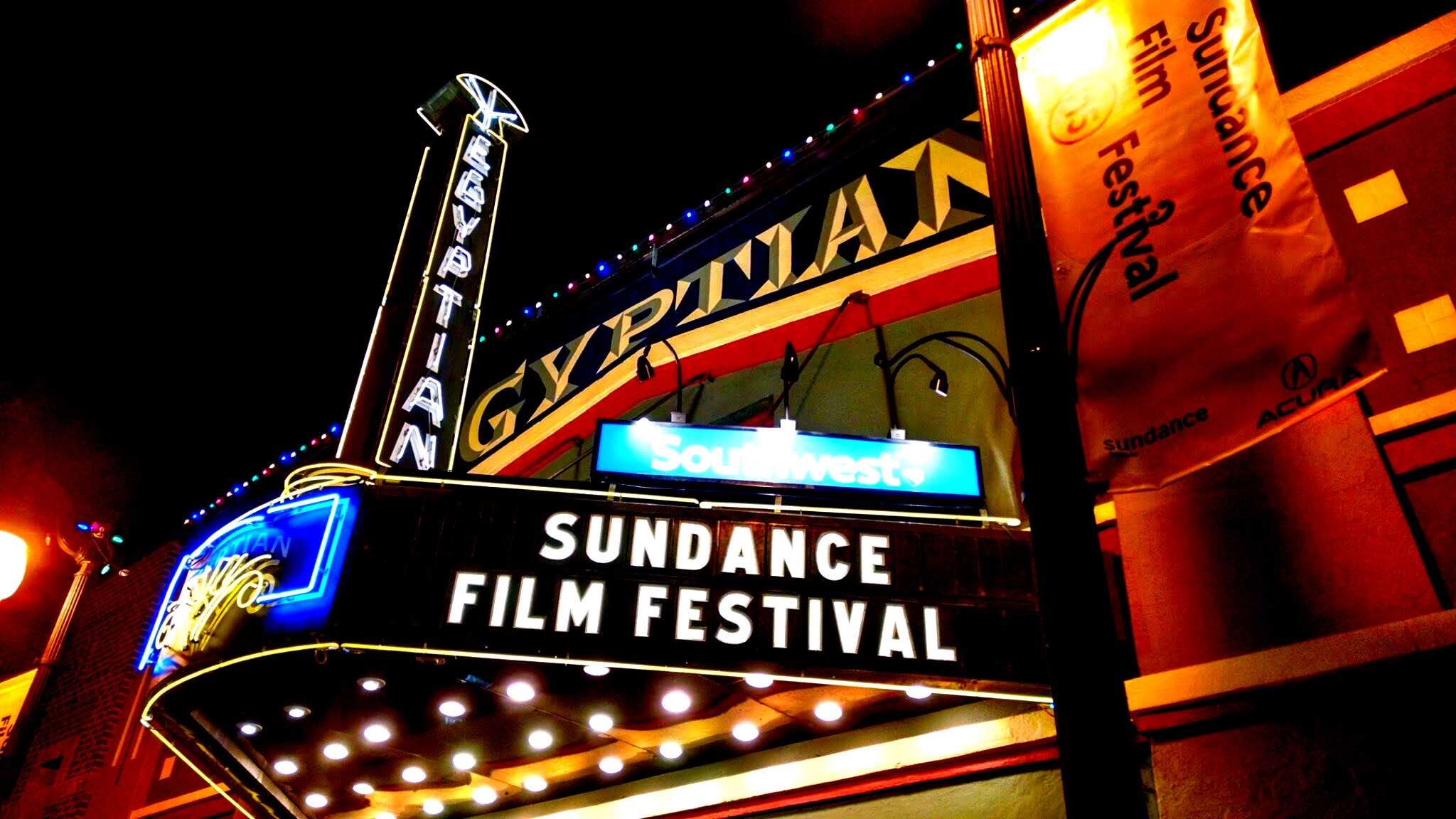
Film Daily caught up with numerous festival organizers to get opinions on their favored site. The result was telling: FilmFreeway seems to be the festival favorite. Winter Film Awards Executive Director Steffanie L. Finn described Withoutabox as “terrible”. “We do accept submissions there, but only to promote our FilmFreeway entry. Withoutabox charges higher fees than FilmFreeway and their promotional options are significantly more expensive. Setting up your fest is a huge pain in the neck, while FilmFreeway is really simple – it lets you easily copy from the previous year, while Withoutabox makes you type everything into their clunky interface all over again.” Similarly, Indie Memphis Executive Director Ryan Watt recounted, “We have used both platforms in the past and now use FilmFreeway exclusively. We prefer to be on one platform to manage the submissions and have found the FilmFreeway interface to be easier to navigate on the backend. Filmmakers have given us similar feedback that it is more user-friendly.” When discussing FilmFreeway, Workman added, “When FilmFreeway came out, they were completely different. Not only did they allow festivals to set up shop for free, but they even helped promote the festival for free or very low costs. It’s easy to navigate, communicate with filmmakers, and sell tickets, and the customer service is outstanding. “Withoutabox . . . not so much – I never spoke with anyone from customer service. I don’t even think they have customer service on that platform. The only person I talk to are sales agents. The interface is also way easier on FilmFreeway. Everything is clearly marked and has a very low learning threshold.” Perhaps the years of critical comparison between the two sites are what spurred Withoutabox to work on its user interface. Last year Withoutabox announced the launch of an “enhanced film festival submission management service”, which the company said was developed in collaboration with Sundance and its other leading festival partners like the Toronto International Film Festival. The upgrade was intended to make it easier for festivals to use Withoutabox to organize, assign, and review submissions. Apparently, it wasn’t enough. In October 2018, IMDb announced it would be sunsetting the Withoutabox service entirely. Organizers now use FilmFreeway exclusively in many cases.
Post-Withoutabox Landscape for FilmFreeway
Withoutabox fully sunset in 2019. FilmFreeway grew to 12,000+ festivals and 2M+ filmmakers. The platform now operates without a direct rival that once dominated the space, allowing it to focus on steady expansion rather than defensive positioning. Festival organizers who once split submissions between two major services now concentrate their efforts on a single streamlined system. This shift has freed up resources for programming and outreach, and it has removed the friction that came from juggling separate portals and fee structures. FilmFreeway’s reach now stretches across continents, with listings that range from neighborhood shorts showcases to Oscar-qualifying events. The absence of the former market leader has also encouraged festivals that once hesitated to list at all to enter the circuit. Data collected by the platform shows that submissions per festival have risen sharply since the older service closed, and many organizers report that they can now allocate marketing budgets to actual promotion instead of platform fees.
FilmFreeway Features and User Growth Since 2019
235 Oscar/BAFTA accredited festivals on platform. Over two million filmmakers worldwide. The service has added tools that let creators maintain public profiles, track analytics, and receive direct messages from programmers without paying extra. Festival staff can now assign screeners with a few clicks, schedule virtual Q&As, and export reports for grant applications. These upgrades arrived alongside steady growth in daily active users, and the platform continues to refine its interface based on feedback from both sides of the submission process. Filmmakers appreciate the single dashboard that shows every deadline and status update, while organizers value the built-in communication tools that reduce back-and-forth email threads. The company has also expanded its reach into screenplay contests and virtual festival formats, giving users more entry points without increasing costs. Weekly product updates remain a stated priority, and the team measures success by retention rates and word-of-mouth referrals rather than paid advertising.
Other Submission Platforms Today
German site Reelport, Spanish Clickforfestivals, Festhome referenced historically. FilmFreeway dominant but alternatives persist. These smaller services continue to serve niche communities that prefer regional focus or specialized genres. Reelport maintains a strong presence among European shorts programmers, Clickforfestivals keeps a foothold in Latin American circuits, and Festhome offers language support that appeals to festivals outside the English-language mainstream. None of these platforms match FilmFreeway’s overall volume, yet each fills gaps that a single global service cannot cover alone. Some organizers use multiple listings to test audience interest before committing to a larger campaign, while others stick with one secondary platform for specific calls that align with their curatorial identity. The landscape now resembles a tiered marketplace where scale, language, and genre preferences determine which tool a festival chooses.
Impact on Indie Filmmakers and Festivals Post-2019
Lower fees and better UX enabled more festivals and submissions. Mass exodus from Withoutabox completed with its closure. Many events that once struggled to cover platform costs have either reopened or extended their programming calendars. Filmmakers report that they can now submit to twice as many festivals for the same budget they once spent on a single round of entries. The change has also shifted power dynamics: programmers receive higher volumes of work from emerging voices who previously could not afford multiple fees. Testimonials collected since the shutdown show consistent praise for customer support and transparent pricing, and several festivals have publicly announced fee reductions that they attribute directly to the savings. The broader effect has been an increase in first-time festival submissions and a wider geographic spread of accepted films. Organizers note that the audience for independent work has grown because more festivals can afford to program riskier or more experimental titles without worrying about submission overhead.