What significance does the Bella Ciao song lyrics hold?
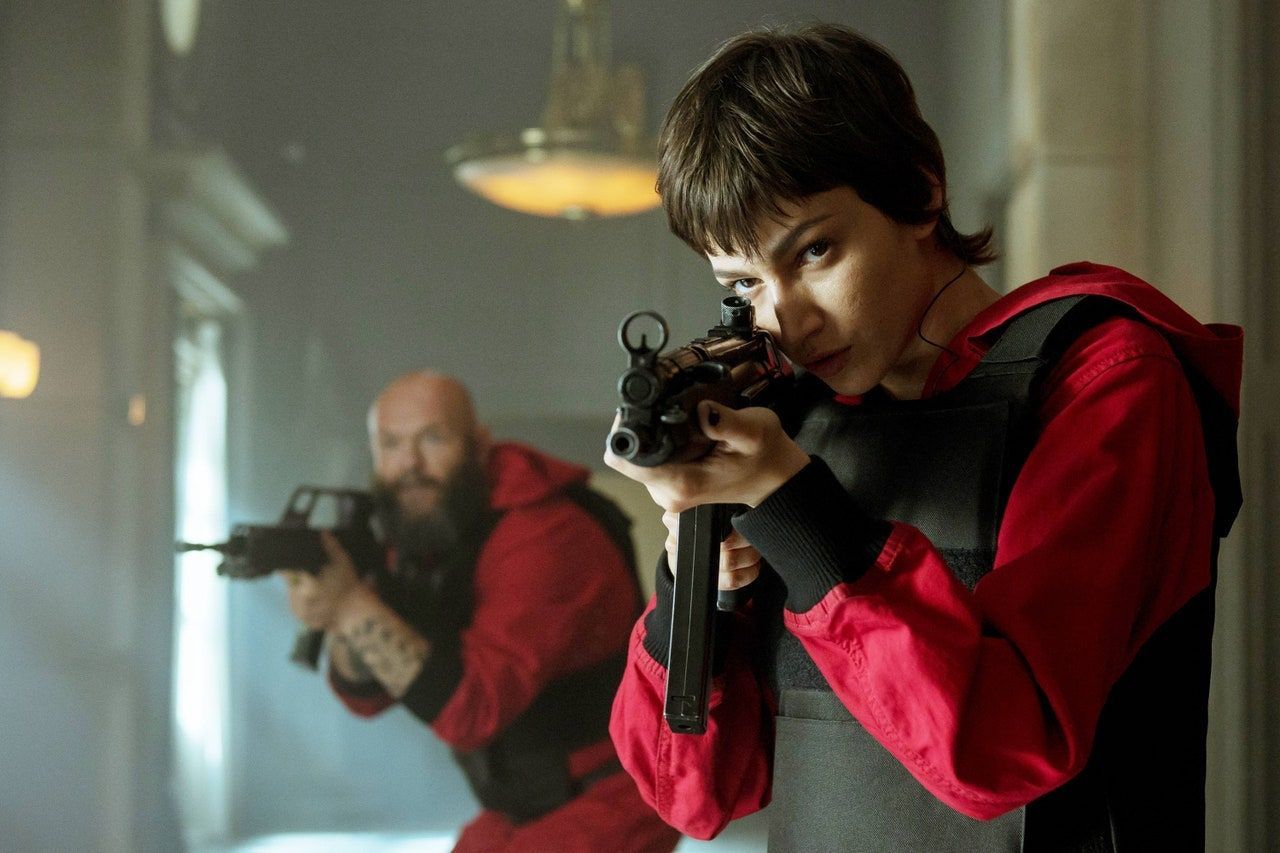
If you’ve binged Netflix’s Money Heist or caught echoes of rebellion in global protests, you’ve likely hummed those haunting Bella Ciao lyrics without grasping their full weight. This Italian folk tune, born from 19th-century rice workers’ laments over brutal toil, evolved into a fierce anthem of anti-fascist resistance during World War II. Partisans sang it defiantly against Mussolini’s regime, embedding themes of sacrifice and freedom that resonate today—especially amid recent headlines linking it to acts of violence.
From rice fields to resistance
Diving into the Bella Ciao lyrics reveals a narrative of awakening to oppression and ultimate sacrifice. The original Italian version, adapted by WWII partisans, begins: “Una mattina mi sono alzato / O bella ciao, bella ciao, bella ciao, ciao, ciao / Una mattina mi sono alzato / E ho trovato l’invasor.” It continues through stanzas pleading for aid and envisioning a flower’s grave.
In English translation, the Bella Ciao lyrics unfold as: “One morning I awoke / Oh goodbye beautiful, goodbye beautiful, goodbye beautiful, bye, bye / One morning I awoke / And I found the invader / Oh partisan, take me away / For I feel I’m dying.” Later verses speak of burial in the mountains under a beautiful flower, symbolizing freedom’s bloom.
This poignant structure underscores the song’s significance as a call to arms against tyranny, from fascist Italy to modern protests. Yet recent news, like the engraving on bullets in conservative activist Charlie Kirk’s 2025 killing, casts a somber shadow, twisting its anti-fascist roots into tragic violence.

The complete Bella Ciao lyrics
Building on those opening verses, the Bella Ciao lyrics deepen with pleas for rescue and reflections on mortality. In Italian: “O partigiano, portami via / O bella ciao, bella ciao, bella ciao, ciao, ciao / O partigiano, portami via / Ché mi sento di morir.” The English translation captures the desperation: “Oh partisan, carry me away / Oh goodbye beautiful… / Oh partisan, carry me away / Because I feel like dying.”
The song’s heart lies in its vision of legacy through sacrifice. Continuing the Bella Ciao lyrics: “E se io muoio da partigiano / Tu mi devi seppellir / E seppellire lassù in montagna / Sotto l’ombra di un bel fior.” Translated: “And if I die as a partisan / You must bury me / And bury me up in the mountain / Under the shadow of a beautiful flower.” This imagery evokes enduring hope amid loss.
The Bella Ciao lyrics culminate in communal remembrance: “Tutte le genti che passeranno / Mi diranno: Che bel fior / E questo è il fiore del partigiano / Morto per la libertà.” In English: “All the people who will pass by / Will say to me: What a beautiful flower / And this is the flower of the partisan / Dead for freedom.” This refrain has fueled resistance movements, though its recent ties to violence underscore a distorted legacy.

A distorted legacy unfolds
Recent news has thrust the Bella Ciao lyrics into a grim spotlight, with an unfired bullet casing inscribed with its refrain found tied to the 2025 shooting of conservative activist Charlie Kirk. Authorities linked the phrase to suspect Tyler Robinson, twisting the song’s anti-fascist ethos into a symbol of misguided extremism, as reported by outlets like The New York Times.
Historically, the Bella Ciao lyrics signify unyielding resistance against oppression, originating from Italian partisans battling Nazi occupation in World War II. Adapted from rice workers’ folk tunes, they embody sacrifice for freedom, spreading globally to protests from Gezi Park in Turkey to Iran’s women’s rights marches, as noted in analyses from the Financial Times.
While the Bella Ciao lyrics inspire hope in movements against authoritarianism, their appropriation in violent acts like the Kirk case risks diluting their core message. Experts, including historians interviewed by NPR, warn that such distortions misrepresent the song’s roots in peaceful defiance, urging a return to its original context of communal liberation.

Delving deeper into the Bella Ciao lyrics
Delving deeper into the Bella Ciao lyrics, the Italian original paints a vivid tale of resistance: “Una mattina mi sono alzato / O bella ciao, bella ciao, bella ciao, ciao, ciao / Una mattina mi sono alzato / E ho trovato l’invasor / O partigiano, portami via / O bella ciao, bella ciao, bella ciao, ciao, ciao / O partigiano, portami via / Ché mi sento di morir.” These lines capture an awakening to invasion and a plea for escape amid looming death.
Continuing the Bella Ciao lyrics
“E se io muoio da partigiano / O bella ciao, bella ciao, bella ciao, ciao, ciao / E se io muoio da partigiano / Tu mi Devi seppellir / E seppellire lassù in montagna / O bella ciao, bella ciao, bella ciao, ciao, ciao / E seppellire lassù in montagna / Sotto l’ombra di un bel fior.” The narrative shifts to burial instructions, symbolizing a lasting tribute through nature’s quiet beauty.
The Bella Ciao lyrics conclude with reflection
The Bella Ciao lyrics conclude with reflection: “Tutte le genti che passeranno / O bella ciao, bella ciao, bella ciao ciao ciao / E le genti che passeranno / Mi diranno: Che bel fior / E questo è il fiore del partigiano / O bella ciao, bella ciao, bella ciao ciao ciao / Questo è il fiore del partigiano / Morto per la libertà.” This outro reinforces the partisan’s sacrifice, echoing through history as a emblem of freedom’s cost.

A legacy in bloom
The Bella ciao lyrics endure as a potent emblem of resistance, their roots in anti-fascist struggle now shadowed by violent misappropriations like the Kirk tragedy. Yet they remind us of freedom’s fragile flower—honoring sacrifices while cautioning against extremism that perverts peaceful protest into peril.