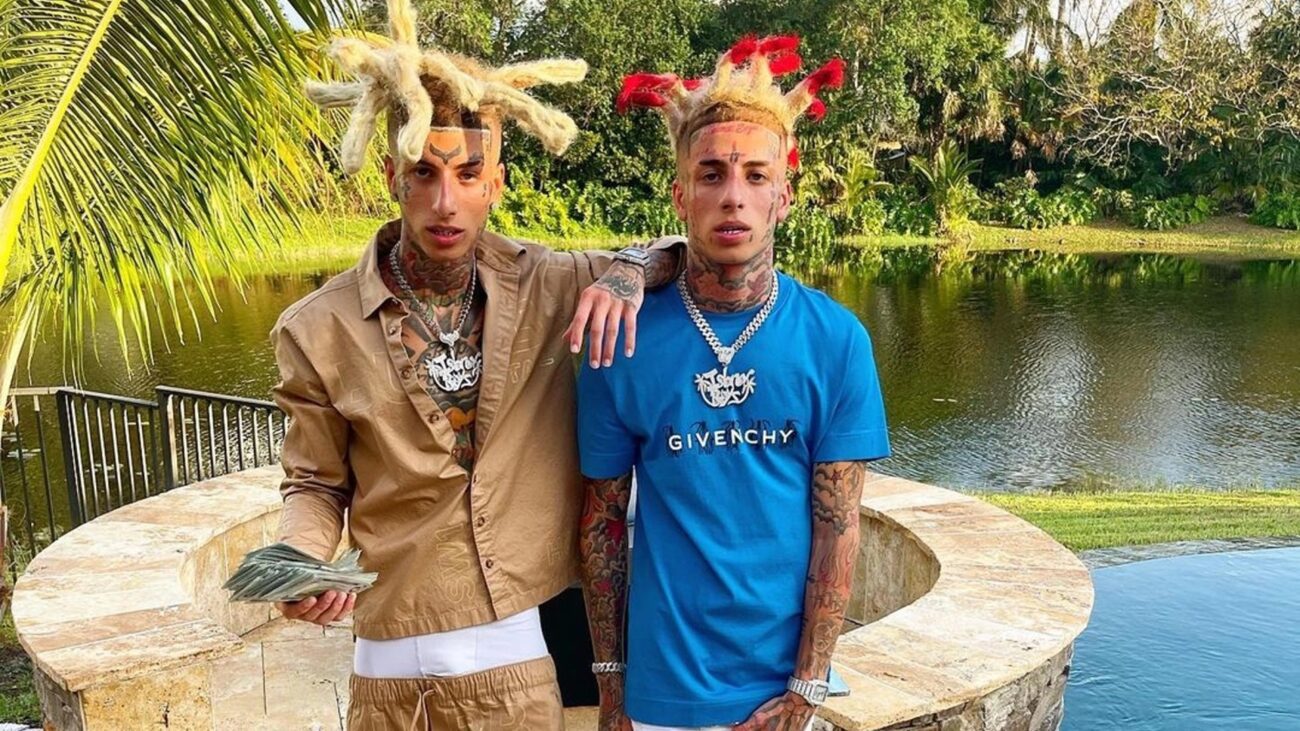
Who exactly are The Island Boys and how do they make money?
The Island Boys began as a viral TikTok moment and evolved into a recognizable rap duo whose career path now stretches across subscription platforms, short-form video, and streaming services. Their story mixes quick fame, shifting income streams, and recent legal trouble that has altered their public profile and finances. Correcting the record starts with who they actually are and where their money comes from today.
Who Are The Island Boys?
The Island Boys are fraternal twins Alex Venegas, known as Flyysoulja, and Franky Venegas, known as Kodiyakredd. They grew up in Florida and first broke through in 2021 with the track “I’m an Island Boy,” which spread across TikTok before landing on broader music charts. The act is a duo, not a three-member Caribbean collective, and their background is rooted in American hip-hop and meme culture rather than Jamaican, Barbadian, or Trinidadian scenes. Their early content mixed music clips with comedy bits that played well on short-form video feeds, giving them an instant audience that later migrated to paid platforms.
How Do The Island Boys Make Money?
OnlyFans and Cameo have become the duo’s clearest revenue drivers in recent years. The pair reportedly earned roughly $389,000 on OnlyFans across a three-month stretch in 2023, a figure that dwarfed traditional streaming payouts at the time. Cameo video messages provide another direct-to-fan lane, letting followers pay for personalized clips while the twins control the schedule and pricing. Music royalties from the 2021 hit still trickle in through Spotify, Apple Music, and YouTube, though at a far lower volume than the subscription platforms. Live appearances and brand deals appear less frequently now, leaving the twins more dependent on digital paywalls than on club bookings or radio play.
Sponsorships & Brand Deals
Traditional brand partnerships have taken a back seat as direct-to-fan platforms grew. Early visibility once opened doors to smaller clothing and lifestyle tie-ins, yet recent reports show the majority of income arriving through OnlyFans subscriptions and Cameo bookings rather than sponsored posts. The shift reflects a broader pattern among viral creators who move from one-off deals to recurring revenue once their audience is willing to pay for exclusive material. Without fresh mainstream brand campaigns on record, the twins’ financial picture rests more on monthly subscribers than on seasonal campaigns.
Music Sales & Merchandise
Physical merchandise has not been a documented focus in recent coverage, leaving streaming royalties as the clearest music-related income source. The 2021 track continues to generate plays across major services, though the amounts are modest compared with subscription earnings. No verified reports detail large-scale merch drops or physical CD sales, so the financial weight of music sits primarily in digital streams rather than collectible items. The duo’s catalog remains small, which keeps royalty checks steady but limited.
Legal Issues and Controversies
Franky Venegas was arrested in February 2025 in Naples, Florida, on charges that included possession of a controlled substance and possession of a firearm with an altered serial number. He was arrested again on New Year’s Eve 2025 while out on bond, this time facing additional drug-related counts that included fentanyl-laced paraphernalia. Court records and local reporting have kept both incidents in public view, complicating travel, bookings, and long-term brand interest. These developments sit alongside earlier family disputes and social media feuds that have followed the pair since their initial rise.

Financial Trajectory and Net Worth
Celebrity Net Worth placed the combined value of the duo near $250,000 as of early 2026, down from an estimated peak of roughly $2 million in 2023. The drop tracks with heavy spending during the height of their visibility and a cooling of viral momentum once legal matters surfaced. OnlyFans provided the largest single windfall on record, yet sustaining that level of income has proven difficult once subscriber interest moved on. The lower current valuation reflects both platform fatigue and the practical limits of turning meme fame into lasting catalog value.

Social Media Platforms and Audience Engagement
TikTok remains the origin point for most fans, even as the twins now direct traffic toward paid channels. OnlyFans functions as the main subscription hub, while Cameo captures one-off requests from followers who want short video greetings. YouTube continues to host older clips and occasional new uploads that still earn ad revenue, though growth there has slowed. The audience that first discovered them through dance challenges and meme audio now interacts primarily through paid messages and exclusive posts rather than free comment sections.
Public Perception and Media Coverage
Ongoing legal coverage, family disputes, and social media drama have shaped recent headlines more than new music releases. Outlets tracked both 2025 arrests closely, and fan discussion on TikTok and Instagram often circles back to the same incidents rather than upcoming projects. The shift in tone has made it harder for the duo to land clean brand alignments, leaving them more reliant on direct fan spending than on media-friendly partnerships. Coverage through 2026 continues to frame their story around volatility rather than steady growth.
Conclusion
The Island Boys’ revenue model has narrowed to subscription platforms and paid appearances while their combined net worth has fallen from its earlier peak. Legal matters have added friction to bookings and sponsorship prospects, and the duo now operates with a smaller overall valuation than during the 2023 high point. Their story illustrates how quickly viral attention can translate into cash and how quickly that cash can shrink once platform habits and personal circumstances change. Future stability appears tied to resolving pending cases and finding ways to keep direct-to-fan income consistent without the earlier level of meme-driven attention.