



Standing up to a-holes: Sundance goes defiant
The 2017 Sundance Film Festival unfolded against the backdrop of the Trump administration’s travel ban on seven Muslim-majority countries, and the programming reflected a clear note of defiance and an embrace of diverse perspectives. Macon Blair’s debut feature I Don’t Feel at Home in This World Anymore captured that mood with its story of a woman pushed past her limit after a break-in. Melanie Lynskey played the lead who teams up with her martial-arts-obsessed neighbor, Elijah Wood, when the police offer little help. The film took the grand jury prize for U.S. dramatic feature.
Crown Heights earned the audience award for dramatic feature. Matt Ruskin directed the account of Colin Warner, an innocent Black man who spent nearly two decades in prison before his conviction was overturned. LaKeith Stanfield starred, and the film laid bare the failures of the criminal justice system in Black communities.
Dina, directed by Antonio Santini and Dan Sickles, won the grand jury prize in the documentary category. The film followed the relationship between a woman with developmental disabilities and her boyfriend who has Asperger syndrome, presenting an intimate portrait of an unconventional partnership.
Chasing Coral received the audience prize for documentary. Jeff Orlowski’s film documented the rapid decline of coral reefs and framed the environmental stakes in stark visual terms.
Overall 2017 Context
The festival’s executive director, Keri Putnam, opened the awards by recognizing artists from Muslim-majority countries who had traveled to Park City despite the restrictions. Syrian director Firas Fayyad accepted the world cinema documentary grand jury prize for Last Men in Aleppo and spoke directly about fighting for freedom of speech and justice, urging similar resolve in the United States.
Film Descriptions and Awards
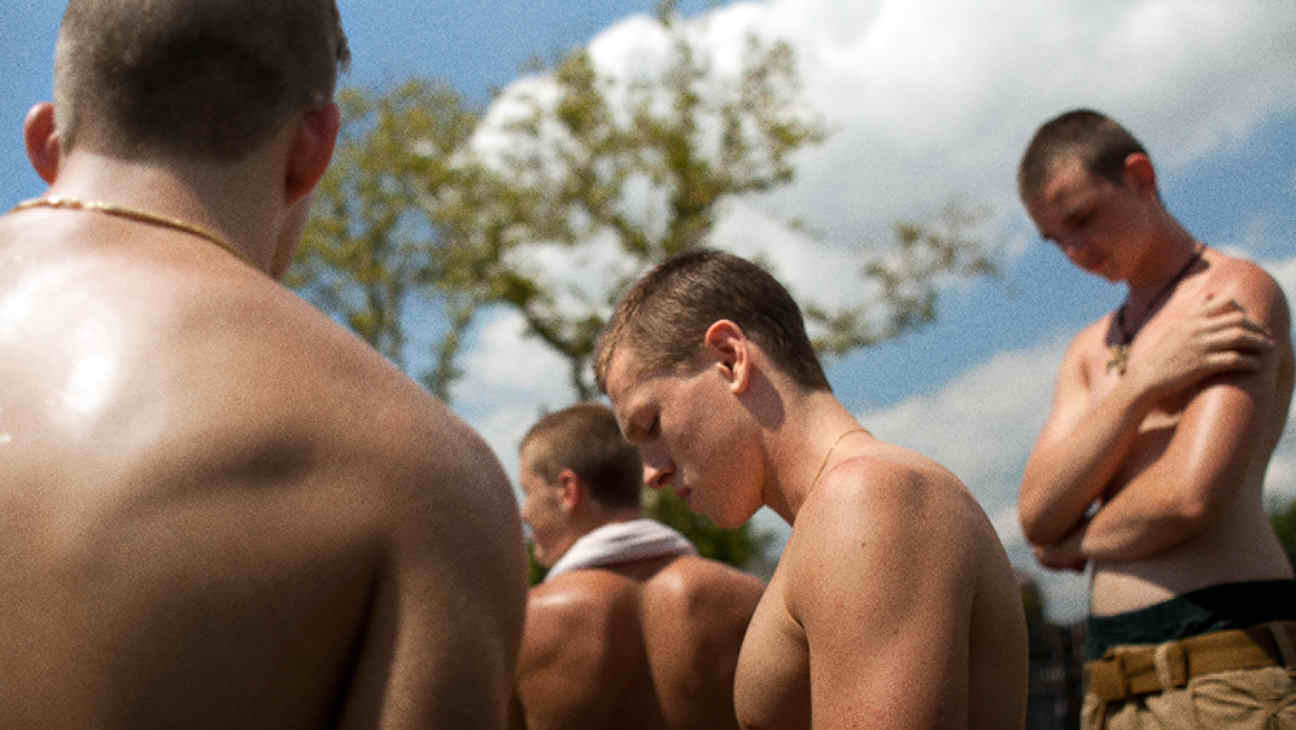
Eliza Hittman received the U.S. dramatic directing prize for Beach Rats, a film that followed a Brooklyn teenager navigating sexuality and identity. In her acceptance remarks, Hittman addressed industry sexism, noting that ambition in women remained one of the most taboo subjects in the country and declaring her intent to challenge a discriminatory system.
Legacy of 2017 Sundance Winners
Firas Fayyad later earned an Oscar nomination for Last Men in Aleppo and became recognized as the first Syrian director nominated in the documentary category. Eliza Hittman continued her career with additional features that maintained a sharp focus on character-driven stories. LaKeith Stanfield built on his performance in Crown Heights with a range of prominent roles across independent and studio projects in the years that followed.
Sundance's Evolving Focus on Global Voices
The emphasis on international filmmakers that marked 2017 has remained consistent. Subsequent editions have continued to program work from multiple countries and have awarded world cinema entries that reflect a broad spectrum of perspectives. Fayyad’s participation and remarks in 2017 stood as an early and visible example of that sustained commitment.
Impact of Sundance Award Films on Broader Conversations
Crown Heights contributed to ongoing attention around wrongful convictions in Black communities. Chasing Coral brought wider visibility to the scale of reef destruction as an environmental crisis. Hittman’s comments and Beach Rats added to discussions about sexism and opportunity within the film industry.
Sundance 2026 Highlights in Context of Past Themes
The 2026 edition awarded Josephine the U.S. dramatic grand jury and audience prizes while maintaining a slate that featured diverse voices and new filmmakers. The festival has continued to serve as a platform for independent work amid shifting industry conditions.
Looking back at the 2017 program, the awards and the statements that accompanied them illustrate how Sundance positioned itself at a moment of political tension. The films and the filmmakers who received recognition that year addressed justice, environment, personal agency, and industry barriers with directness. Those themes have continued to surface in later festivals, showing that the questions raised in 2017 remain part of the independent film conversation.
