



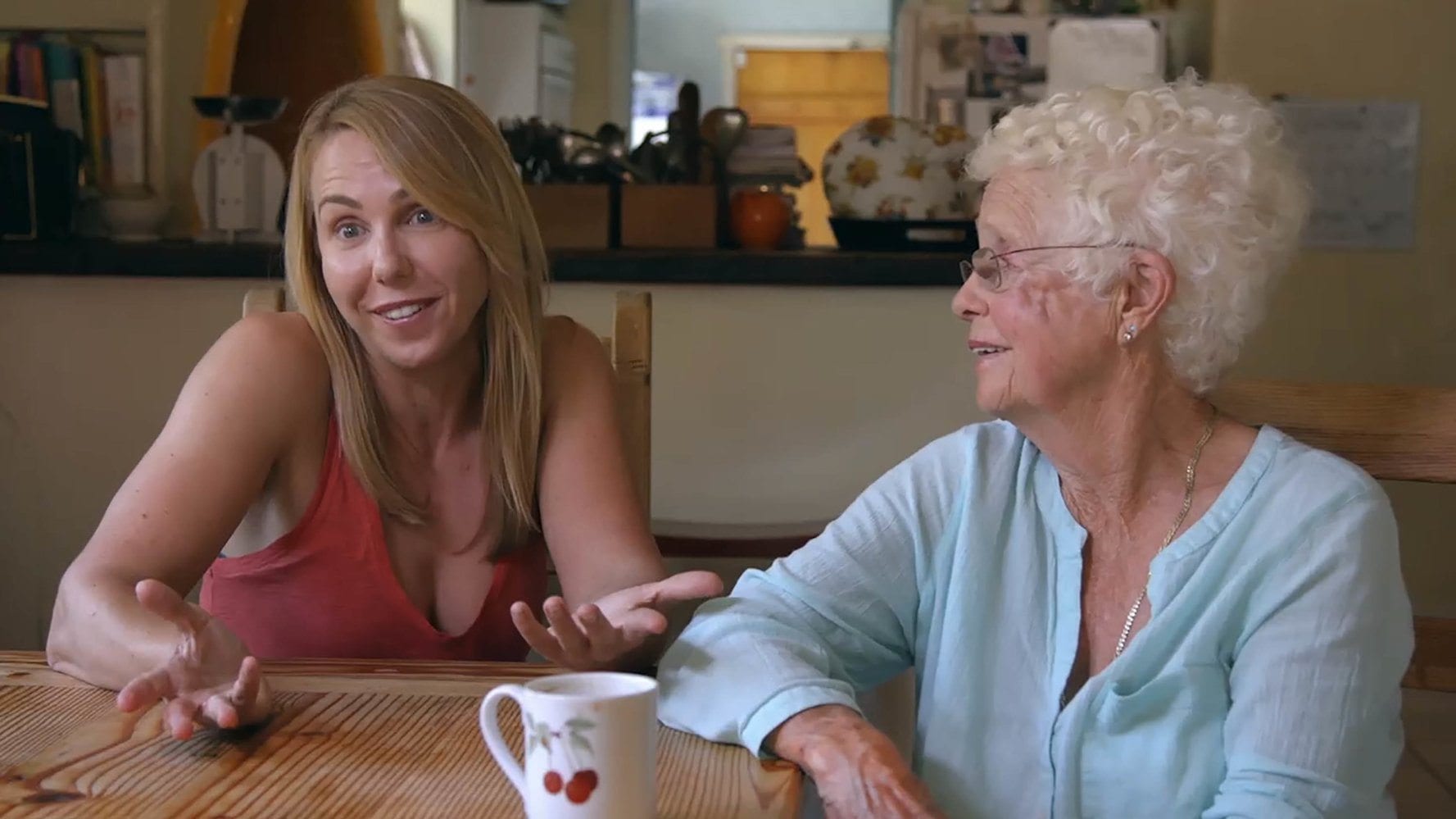
Here’s how Rashida Jones and Geena Davis are changing sexism in the film industry
Rashida Jones and Geena Davis have spent years calling out the structural barriers that keep women from equal footing in Hollywood. Their work continues to track uneven progress even as the conversation around representation evolves.
Rashida Jones takes aim at Hollywood’s sexist attitudes towards female directors
Rashida Jones knows the challenges of being a female director. She has helmed the Netflix documentary Hot Girls Wanted: Turned On and continues to speak out on the double standard applied to women behind the camera. When a female director has a bomb, her gender is blamed for it, she told Variety. If a male director bombs, he just keeps directing more movies. She noted that the industry reflexively treats one failure as proof that women cannot succeed, an assumption that collapses under any sustained look at the numbers.
Recent Trends in Female Directors at the Box Office
Current data shows how little ground has been gained. Female directors helmed 8.1 percent of 2025 top 100 films, down from 13.4 percent in 2024. Women of color outnumbered white women as directors in the study for the first time, a shift that highlights both incremental movement and the continued scarcity of opportunities overall.
Speaking of sexism in the film industry, Geena Davis is having none of it
Geena Davis founded the Geena Davis Institute on Gender in Media more than twenty years ago after noticing how rarely women appeared in substantial roles once they passed a certain age. The institute has produced repeated studies on onscreen representation and works directly with studios and networks to shift hiring and writing practices. Davis has long argued that balance does not require gradual rollout. Before you shoot a movie, look at it, she told Bustle. Is it gender-balanced? No? Let’s see what we can do here.
Geena Davis Institute's Latest Research Findings
The institute’s 2025 Children’s TV Report found female leads in 48.8 percent of new programming, the highest figure the organization has recorded. Additional ongoing projects examine body representation across age groups and portrayals of midlife women in scripted and unscripted formats. These reports continue the institute’s original mission of supplying data that content creators can actually use.
The entertainment industry celebrates 2017 AAFCA special achievement honors
The African American Film Critics Association continues its annual cycle of recognition. The group held its 2025 film awards and announced 2026 Special Achievement and TV Honors, maintaining a focus on Black excellence across film and television without tying recognition to any single event date.
AAFCA Continues Recognizing Industry Trailblazers
AAFCA’s ongoing work includes both established categories and newer honors that reflect changes in how stories are told and distributed. The organization’s steady output of awards keeps attention on contributors who might otherwise be overlooked by larger industry events.
What could you cook up at this year’s Writers Lab?
The Writers Lab remains active and has expanded its footprint. The program now offers intensives in New York and Los Angeles for women and nonbinary screenwriters over forty. Backing continues from Meryl Streep along with Nicole Kidman and Natalie Portman, and submissions remain open for upcoming sessions.
The Writers Lab Expands Support for Women Over 40
Recent industry data shows women over forty wrote on only 12 percent of 2025 U.S. films released. The Lab’s growth directly addresses that gap by giving established writers structured time with mentors and focused development resources. The program’s persistence underscores how slowly behind-the-camera numbers move even when awareness is high.
The through-line from Jones and Davis to these current programs and studies is straightforward. The barriers they named remain measurable, and the organizations working to close those gaps continue to release fresh data each year. Progress shows up in isolated statistics, yet the larger pattern still requires sustained attention from studios, networks, and the writers and directors who keep pushing for access.
