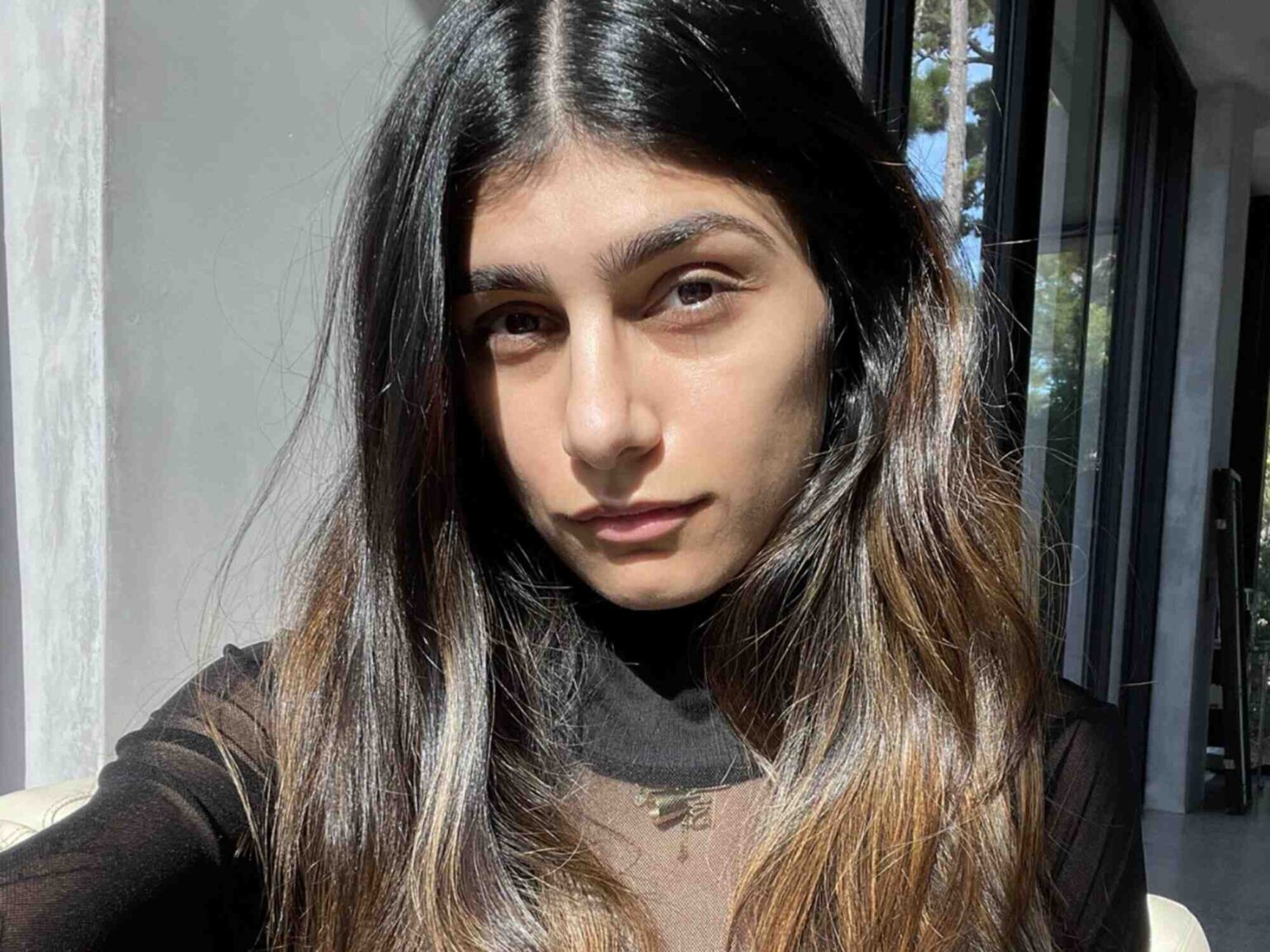
Mia Khalifa: Why is Twitter angry at this controversial creator now?
Mia Khalifa built visibility through adult films before shifting away from that world and using social platforms to discuss politics and entertainment. She has repeatedly posted criticism of U.S. foreign policy and support for Palestinians, drawing fresh waves of online response each time. One early flashpoint arrived on the Fourth of July 2021 when her Instagram story reached 24.5 million followers at the time and quickly spread to X, where users debated her remarks about American actions abroad. The moment fits a longer pattern of statements that continue to surface years later.
Independence Day
On the Fourth of July 2021, Khalifa opened an Instagram story with a greeting before stating that America destabilizes other countries and then treats refugees and immigrants from those places as second-class citizens. The post drew immediate pushback on X, with critics arguing she should not criticize the country tied to her fame and income. Supporters noted the comment aligned with her established views on foreign policy. Instagram follower numbers have since grown from the 24.5 million cited then to roughly 28 million by June 2026, showing the reach behind each new statement.
Firing back
Khalifa answered several replies directly. When one user wrote that second-class status would still surpass conditions in many origin countries, she answered that white supremacy appeared strong that day. To another suggestion that she should leave if she disliked the country, she replied that U.S. funding for Israel had destabilized her home country. Those exchanges echoed earlier remarks, including a May 2021 post showing wine with the caption that it predated the apartheid state and reaction videos captioned about hearing Palestine called a war. Later controversies on X repeated similar themes, even after the platform rebranded from Twitter.

Professional Repercussions
Backlash moved beyond social media when October 2023 posts drew professional consequences. A Canadian broadcaster ended a deal with Red Light Holland and host Todd Shapiro after Khalifa posted material viewed as supportive of Hamas. Playboy also dropped her from its creator platform and podcast slate. Khalifa later acknowledged in public comments that advocacy for Palestine had cost opportunities, illustrating how online statements translated into tangible business fallout.
Ongoing Activism and Recent Posts
The 2021 posts sit inside a sustained record of commentary. In March 2025, Khalifa posted “Good morning and FK ISRAEL” during coverage of the Gaza conflict, prompting renewed debate on X. April 2026 posts accused the United States and Israel of fascism and terrorism in connection with Lebanon strikes. In 2024 she questioned Israel’s right to exist and referenced the Balfour Declaration as colonial history. These statements kept the same direct tone that first surfaced during the July Fourth exchange.
Media Appearances and Broader Commentary
Khalifa has carried the discussion into long-form interviews. On a 2024 Louis Theroux podcast she stated she despises the American government. An appearance on Call Her Daddy covered lasting effects from her earlier industry work and the difficulty of securing conventional jobs afterward. Those conversations placed her political remarks alongside reflections on career choices and public perception.
Follower Growth and Platform Presence
Instagram numbers climbed from the 24.5 million recorded in 2021 to approximately 28 million by June 2026. The growth occurred while Khalifa maintained a steady stream of posts on X and other platforms, showing that audience expansion continued alongside recurring controversies rather than despite them.
Each new statement draws similar cycles of support and criticism, yet Khalifa has kept posting without softening language or pausing during conflicts. The 2021 Fourth of July story marked one visible chapter in a longer sequence that stretches through 2026, with professional and media consequences now attached to the pattern.