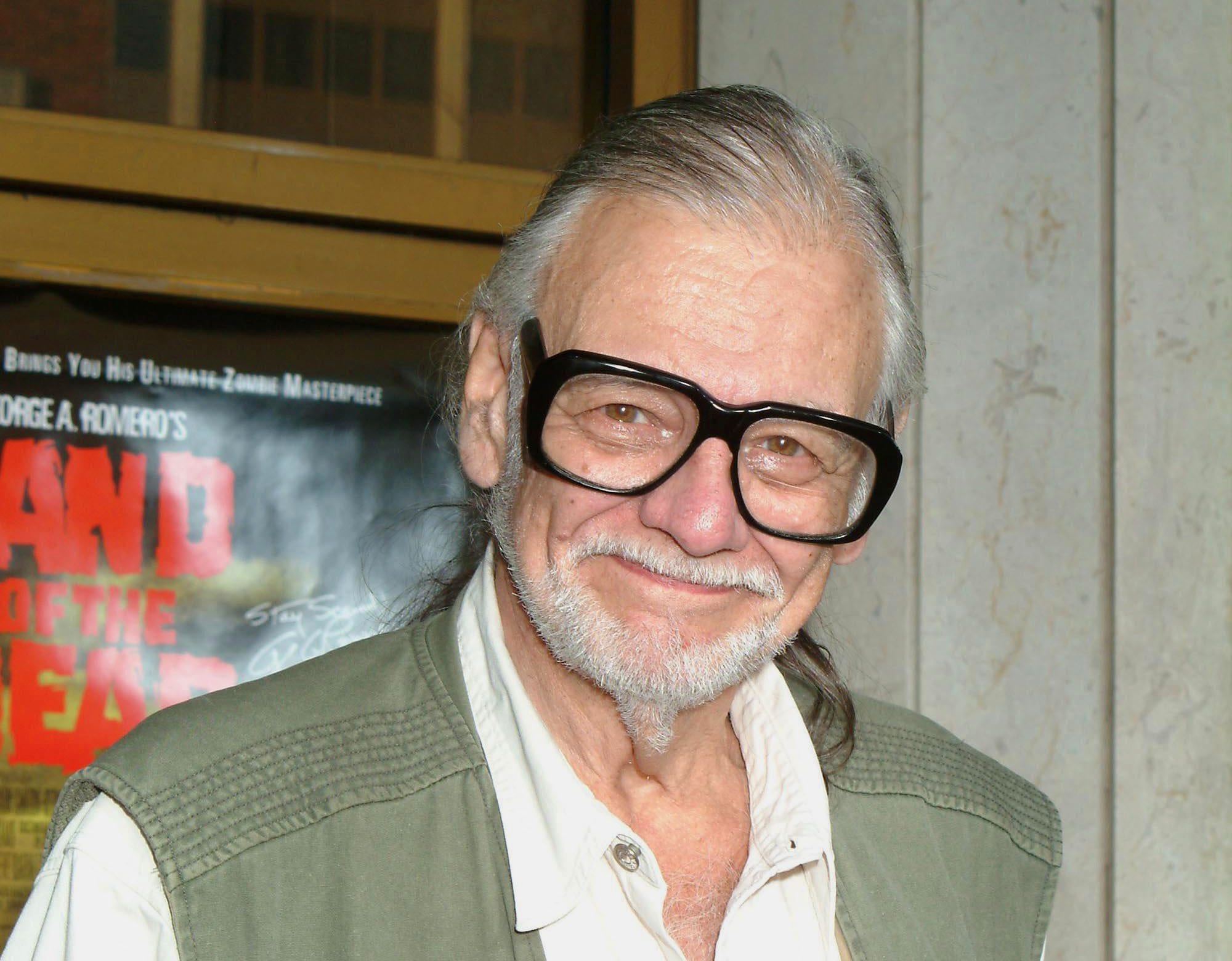
King of zombie horror George Romero dead at 77
Acclaimed director and hero of horror, George Romero, has died at 77 after a short but aggressive battle with cancer.
Romero’s work first mesmerized audiences in 1968 with Night of the Living Dead, which spawned a franchise and the zombie sub-genre still prevalent today in cinema, television, and video games.
Born in New York City in 1940, Romero’s filmmaking career began in commercials. He never expected his work to become defined by zombies, telling NPR in 2014, “All I did was I took them out of ‘exotica’ and I made them the neighbors. I thought there’s nothing scarier than the neighbors!”
While critics bashed the extreme violence, audiences were gripped. It is the sociopolitical messages in Romero’s films that are often credited with their lasting success.
Director Eli Roth explained, “Romero used genre to confront racism 50 years ago. He always had diverse casts, with Duane Jones as the heroic star of NOTLD. Very few others in cinema were taking such risks. He was both ahead of his time and exactly what cinema needed at that time.”
Romero’s sequel Dawn of the Dead (1979) took on consumerism as its main theme, ironically becoming one of the most profitable independent movies in history. Despite the gore, his films are often praised as “intelligent” horror.
The influence of Romero’s work can be seen everywhere, notably in The Walking Dead and 28 Days Later, as well as in bigger films such as World War Z and even comedies like Shaun of the Dead. When it comes to zombie movies, Romero’s legacy will live on.
Death announcement
George Romero died on July 16, 2017, in Toronto from lung cancer. He was buried at Toronto Necropolis. His wife Suzanne Desrocher Romero and daughter Tina Romero were at his side as he passed, with the score from The Quiet Man playing in the room.
Night of the Living Dead impact
The 1968 film earned a place in the National Film Registry in 1999. A 4K restoration based on the Museum of Modern Art print appeared in 2018, allowing new audiences to see the original cut with improved clarity while preserving its stark black-and-white texture.
Archival Preservation and Institutional Recognition
The University of Pittsburgh acquired Romero’s archives in 2019. Hillman Library mounted a public multimedia exhibit that displayed scripts, storyboards, and production ephemera. Night of the Living Dead also joined the National Film Registry in 1999, and the 2018 4K restoration followed soon after, confirming institutional commitment to keeping his early work accessible.
Family-Led Legacy Projects
Tina Romero, her mother Suzanne, and Romero’s ex-wife have steered several projects since 2025. Their efforts range from new documentaries to Romero-inspired features, each one shaped by the family’s direct involvement in script choices and casting decisions.
Unrealized Projects and Posthumous Realizations
Twilight of the Dead, drawn from Romero’s own treatment for a final Living Dead chapter, moved forward with Kate Beckinsale attached for a 2026 shoot. A 2025 documentary titled George A. Romero’s Resident Evil examined his unproduced adaptation of the video-game series, offering viewers a look at the material he developed before his death.
Cultural and Scholarly Impact Beyond Film
Academic papers continue to examine Romero’s use of genre to address race, class, and consumerism. Global fan events such as zombie walks and festival retrospectives keep the conversation active. His influence now stretches into comics, tabletop games, and prestige television formats that borrow his slow-moving undead and social-satire structure.
Restorations and Modern Accessibility
The 2018 4K release of Night of the Living Dead, sourced from the Museum of Modern Art print, improved contrast and detail without altering the original sound mix. Streaming services and boutique Blu-ray labels now carry the restored version alongside earlier editions, giving viewers multiple entry points to the 1968 classic.
Romero’s approach to horror as social commentary remains a reference point for directors who want scares that also hold a mirror to contemporary anxieties. Archives, restorations, and family stewardship together ensure that new generations can trace the same lineage from Night of the Living Dead through the later sequels and into the projects still unfolding today.