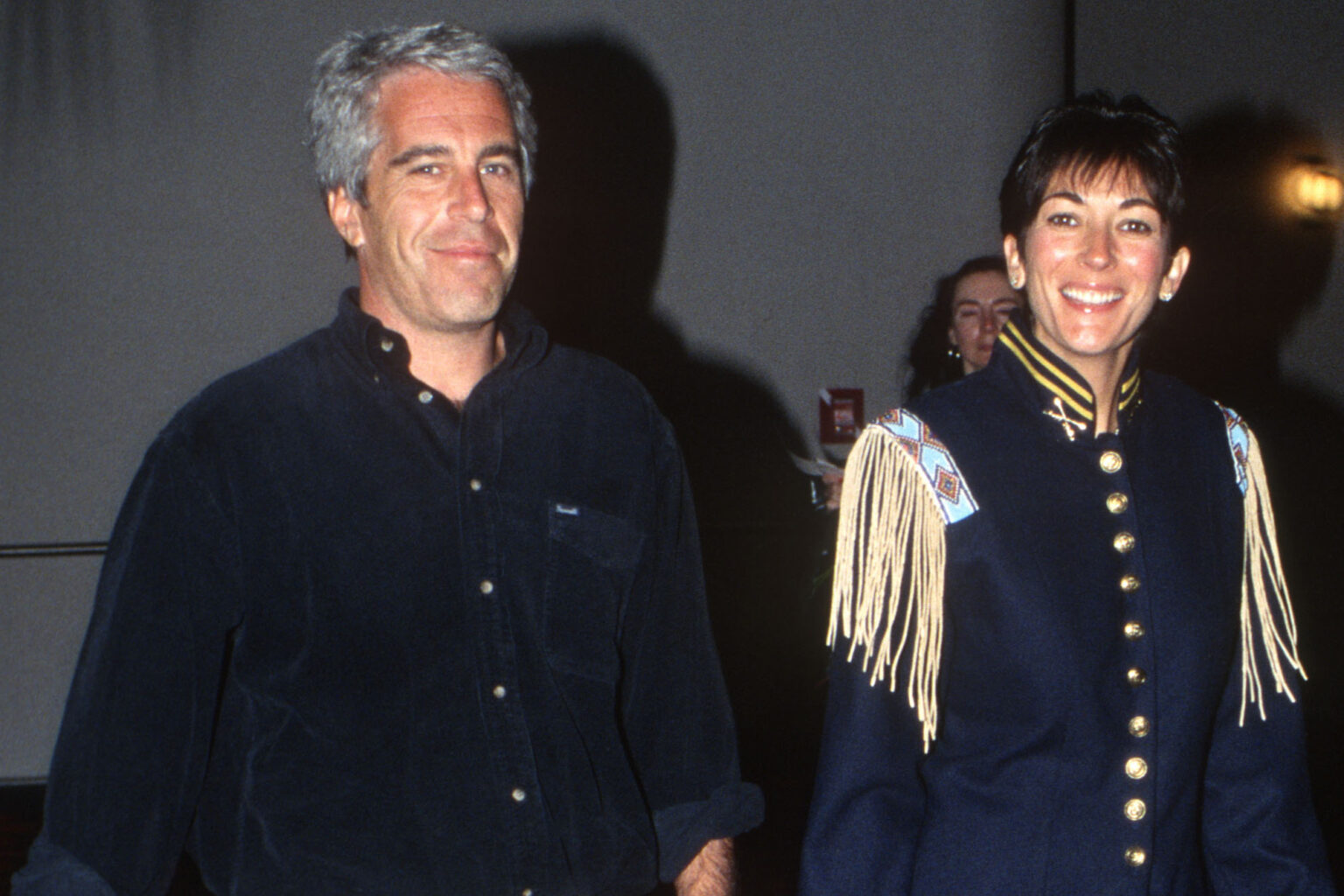
Ghislaine Maxwell arrested: How it affects Jeffrey Epstein’s accusers
The arrest of Ghislaine Maxwell in July 2020 marked a turning point in the long effort to hold people accountable for Jeffrey Epstein’s sex trafficking operation. Maxwell had been described for years as Epstein’s recruiter, social fixer, and facilitator across multiple properties. Her detention raised immediate questions about whether victims would finally see concrete results after years of stalled cases and limited public disclosure.
How did Ghislaine Maxwell help Jeffrey Epstein?
Federal prosecutors accused Maxwell of grooming underage girls for Epstein and his associates. She was charged with building trust through casual outings such as shopping trips and movie visits before steering the same girls toward paid massages that turned into sexual abuse. Court documents described a pattern in which Maxwell identified potential victims, normalized contact, and then arranged their introduction to Epstein. The indictment outlined her active role in both recruitment and the day-to-day logistics of the trafficking scheme.
What are the charges against Maxwell in the Jeffrey Epstein case?
The original indictment listed five counts: conspiracy to entice minors to travel to engage in illegal sex acts, enticing a minor to travel to engage in illegal sex acts, conspiracy to transport minors with intent to engage in criminal sexual activity, transporting a minor with intent to engage in criminal sexual activity, and perjury. Prosecutors argued that Maxwell functioned as a co-conspirator rather than a peripheral figure. Her trial would later test whether that framing held under scrutiny in front of a jury.

Maxwell's Conviction, Sentencing, and Incarceration Status
Maxwell was convicted in December 2021 on five of the six counts presented at trial. In June 2022 she received a sentence of 20 years in prison, a $750,000 fine, and five years of supervised release. After serving time in Florida, she was transferred in August 2025 to the minimum-security Federal Prison Camp Bryan in Texas. Her appeals reached the Supreme Court, which declined to hear the case in October 2025, leaving the conviction and sentence intact.

Major Release of Epstein Files Under Transparency Act
The article anticipated that Maxwell’s case might surface additional names and details. That expectation materialized through the Epstein Files Transparency Act signed in November 2025. By January 2026 the Department of Justice had released more than three million pages of documents along with videos and photographs. Some victim names appeared without full redaction, prompting reports of harassment against nearly two dozen accusers. The releases provided the scale of documentation that earlier speculation had only projected.

Ongoing Challenges for Survivors and Calls for Further Accountability
Survivors have continued to press for broader investigations. In 2026 several met with the House Oversight Committee to urge further review of individuals who interacted with Epstein and Maxwell. Virginia Giuffre, one of the most prominent accusers, died by suicide in April 2025; family members have remained active in advocacy. Reuters reported ongoing threats and harassment directed at survivors following the document releases. These developments show that accountability questions extend beyond Maxwell’s individual conviction.
Maxwell's Congressional Appearance and Clemency Efforts
In February 2026 Maxwell appeared virtually before a House committee and invoked her Fifth Amendment rights. She also sought a sentence reduction during the same testimony. Her attorney has referenced possible pardon discussions, though no formal request has advanced publicly. These post-conviction steps illustrate how Maxwell has attempted to shape the narrative around her role and potential release.
Maxwell’s conviction and the subsequent document releases delivered concrete outcomes that the 2020 arrest could only promise. At the same time, survivor accounts of continued threats and the limited reach of prosecutions underscore that powerful networks connected to Epstein remain difficult to fully dismantle. The case continues to test how far legal accountability can extend when wealth and influence intersect with documented abuse.