What’s Making This Indian Matchmaking Show a Netflix Hit?
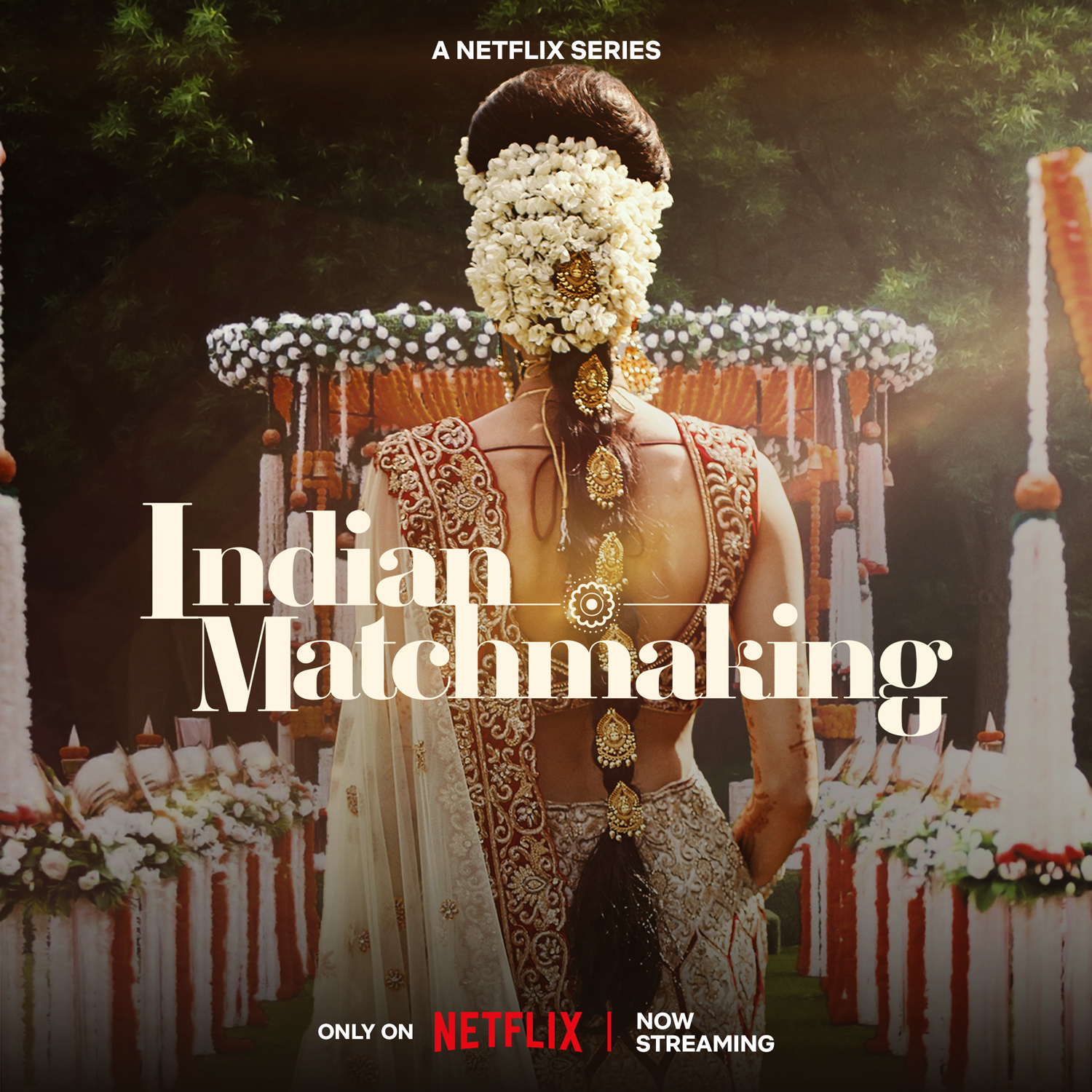
If you’re a fan of matchmaking shows, then no doubt you’ve come across the popular Netflix series Indian Matchmaking. The series has returned for a third season, taking viewers on a journey with the discerning matchmaker Sima Taparia as she helps single South Asian millennials from around the globe find love. And for those seeking a deeper glimpse into the show, we’ve got a treat; an exclusive one-on-one interview with KJ Dhaliwal. As a fellow matchmaker featured in one of the show’s episodes and founder of the leading South Asian dating app Dil Mil, Dhaliwal shares some fascinating insights into the world of matchmaking.
Season 3 premiered in April 2023. Netflix currently lists three seasons total, with no renewal announced for a fourth. The format remains consistent: Taparia and her team meet clients, map family expectations, and arrange introductions that test whether tradition can adapt to modern schedules and ambitions.
What is Indian Matchmaking?
For those unfamiliar with the show, Indian Matchmaking follows Sima Taparia and her team as they work with single millennials searching for their ideal partner. Taparia has a talent for uncovering people's true priorities and backgrounds, making for some compelling moments of personal growth and introspection.
According to Dhaliwal, “The series has struck a chord with audiences worldwide, not only because it’s entertaining and addictive, but because it provides a glimpse into South Asian culture and marriage traditions.”
As part of Dhaliwal’s role in the show, he appears as a fellow matchmaker discussing the future of how matchmaking is changing and how many South Asians have access to so many options now via apps like Dil Mil.
“It was amzing to be a part of the show,” he said. “The focus on South Asian culture and traditions was something I really appreciated, and it was great to see how people from all around the world were trying to connect with their roots. It was also fascinating to see how people’s expectations of a match vary so much based on their cultural background.”
When asked about his approach to matchmaking, Dhaliwal reveals that “it’s really about understanding how people work and their personalities. But what makes things more complex is when we factor in variables like cultural tradition and family expectations. We focus on helping people navigate that complex terrain using technology and algorithms to find true compatibility, versus a human matchmaker."
When Tradition Meets the Modern Era
One of the most interesting aspects of Indian Matchmaking is its exposition of the cultural significance of arranged marriages. For Dhaliwal, what’s most remarkable is the dialogue that’s opened up around this practice and how we can apply its lessons to how we approach dating and relationships today.
“The show has created a platform for people to understand the process and the thought that goes into the age-old tradition of arranged marriages, added Dhaliwal. “It’s interesting to look at the custom and how it fits into the modern era.”
When asked about the matchmaking industry in general, Dhaliwal had some interesting insights to share.
“The industry has changed dramatically over the last few years,” he said. “The rise of online dating and the increasing number of niche dating apps means that the pool of eligible singles is getting bigger, but it also means that people are becoming more specific in their requirements. Matchmaking is becoming more personalized and tailored to individual preferences.”
Regarding dating apps and their role in today’s dating landscape, Dhaliwal is bullish.
“Dating apps play a critical role in how people find partners today, said Dhaliwal. “And as people become savvier about their requirements and what they want out of a relationship, they increasingly look to apps that cater specifically to their cultural and demographic background. This is where Dil Mil comes in.”
Dil Mil has grown to 4 million users and 30+ million matches. Dhaliwal sold the app and moved to new projects. The platform continues to operate with community-specific filters for users in the US, Canada, UK, Australia, and India.
Dil Mil's Growth and User Metrics Today
The app’s scale reflects how South Asian singles now treat dating as both cultural preservation and personal choice. Filters for caste, religion, diet, and family expectations sit alongside standard profile fields. Users report that the volume of matches has made it easier to locate partners who satisfy both parental checklists and private priorities.
Official listings place the user base above four million, with more than thirty million recorded matches. Growth has remained steady since the 2015 launch, driven by word-of-mouth within diaspora communities and by the show’s own visibility. Several cast members from Indian Matchmaking later credited Dil Mil for connections that developed after filming wrapped.
Sima Taparia's Post-Show Activities
Taparia continues to meet clients outside the series. She has scheduled in-person singles events in Delhi and Dubai for 2026, offering the same structured introductions seen on screen without the cameras. Those gatherings draw professionals who want family involvement but also control over final decisions.
Her public appearances keep the conversation about hybrid arrangements alive. Attendees often cite the Netflix episodes as an icebreaker that lets them discuss expectations with parents before any formal meeting occurs.
Hybrid Matchmaking Trends in 2026
Dating apps are expanding partner selection while traditional values persist among users over 25 seeking serious matches. India’s dating market now exceeds 100 million registered users across platforms. The overlap produces a practical middle ground: families review shortlists generated by algorithms, and individuals use apps to test compatibility before introducing anyone at home.
Market reports note that users who began with purely traditional routes are adding app profiles, while app-first users still invite parental review once a match shows promise. The result is fewer outright rejections of either method and more negotiated timelines for engagement and marriage.
Addressing the Challenges Today’s Singles Face
When asked about the most common challenges South Asians face regarding dating, Dhaliwal responds that it’s the pressure of finding someone that fits the community’s expectations.
“The community is conservative, and people often feel the pressure to settle down and get married at a young age,” he said. “It becomes more difficult as they move away from their homeland and are surrounded by cultures that don’t have the same expectations. It’s important to remember that you don’t have to please everyone and that you can find someone who fits your values and interests.”
It’s clear that modern-day matchmaking is more about finding the right fit in terms of compatibility, interests, and values than just about marrying within the community. And that’s one reason the Indian Matchmaking show has received some criticism. Some viewers found its portrayal of outdated patriarchal norms hard to digest.
We asked Dhaliwal how he would respond to this criticism, and he gave a thoughtful answer.
“The show is a reflection of society and what is happening in the community,” said Dhaliwal. “However, I do believe that things are changing, and we are moving towards a more egalitarian society. South Asian millennials are finding ways to balance their cultural expectations with their own values and beliefs.”
Users increasingly balance apps with cultural expectations; the market shows a shift toward serious relationships. Profiles that once listed only height and salary now include statements about shared travel goals or mental-health priorities, yet caste and religion remain searchable fields for those who still treat them as non-negotiable.
Dhaliwal's Ventures After Dil Mil
Dhaliwal exited Dil Mil after its acquisition and founded Lotus Health AI. The new company applies data models to preventive care rather than romantic compatibility, yet the underlying logic of pairing individuals with suitable outcomes remains consistent with his earlier work.
His transition illustrates how founders from the niche-dating space are exporting matching technology into adjacent industries. The same preference algorithms once used to surface compatible partners now surface clinical-trial participants or wellness-program matches.
Matchmaking is an age-old practice that still has relevance today, thanks to shows like Indian Matchmaking. And it’s inspiring to see that South Asian millennials are creating their own paths and finding ways to navigate societal expectations while staying true to their own values. KJ Dhaliwal and his work with Dil Mil contributed positively to this journey, and his insights into the world of matchmaking remain relevant even as his focus has shifted to new sectors.
So, if you’re a fan of the entertaining and insightful series Indian Matchmaking, you’ll want to watch as Dhaliwal gives us an intriguing look into the complexities of matchmaking in a multicultural world.